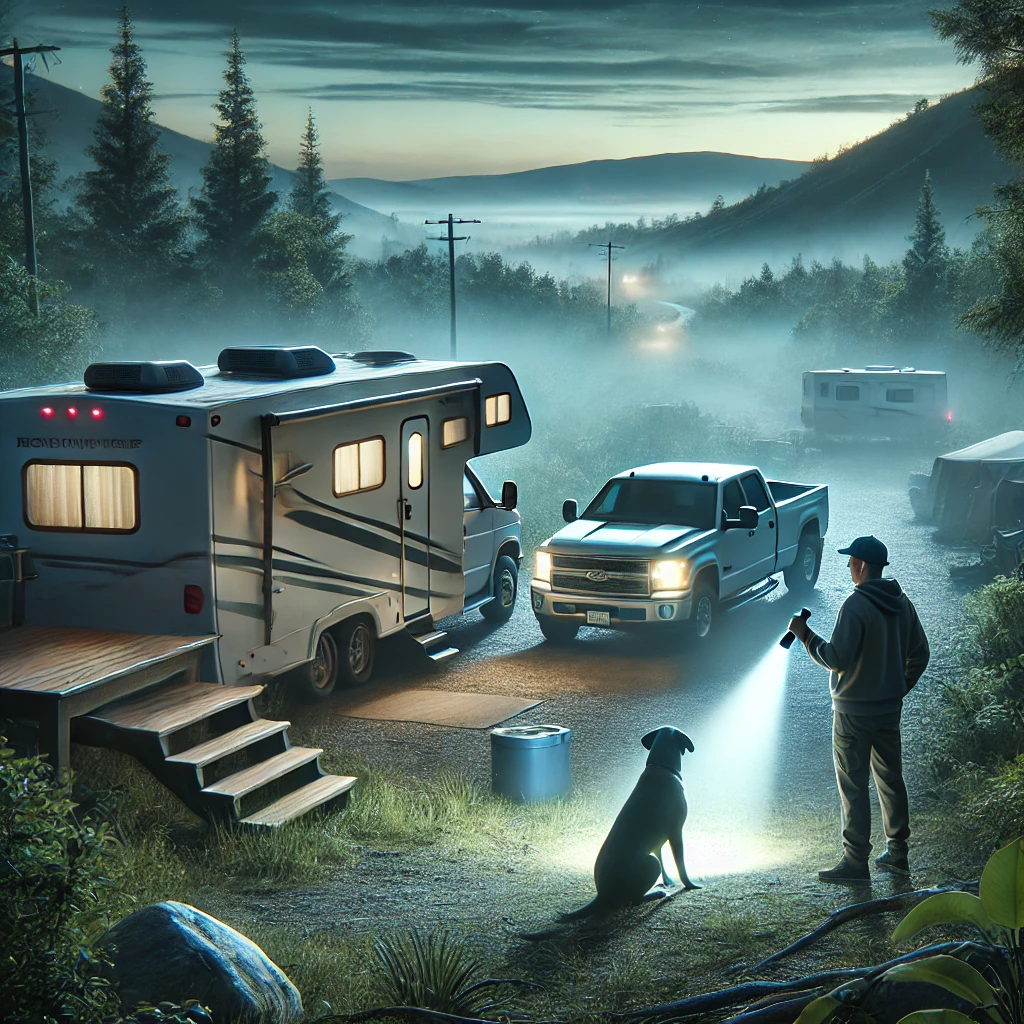
Finding the perfect campsite isn’t just about the view—it’s also about safety. Whether you’re pulling into an RV park or scouting a boondocking spot, knowing what to look for can help you avoid theft, wildlife hazards, or other risky situations.
Here’s how to evaluate whether an RV site is safe before setting up camp.
1. Research the Location Before You Arrive
Before driving to a new RV park or boondocking location, do some quick online research:
🔍 Check reviews on sites like Campendium, iOverlander, or RV Park Reviews.
🚔 Look for crime reports in the area by searching "[city name] crime map."
📍 Use Google Satellite View to check for sketchy surroundings.
📞 Call ahead if staying at an RV park—ask about security measures.
🌟 Red Flags:
- Multiple reviews mentioning theft, break-ins, or safety concerns.
- Nearby abandoned buildings or excessive trash (signs of high crime).
- Reports of squatters or aggressive wildlife.
✔ Pro Tip: If an RV park has no reviews or a boondocking spot has reports of recent issues, it’s best to stay elsewhere.
2. Assess the Area When You Arrive
Once you reach your spot, don’t rush into setting up camp. Take a few minutes to observe your surroundings before committing.
✅ Signs of a Safe Spot:
- Well-maintained roads and campsites.
- Other RVers who seem friendly and relaxed.
- Good visibility—no blind spots or places where people could hide.
🚨 Warning Signs:
- Unfamiliar people hanging around your site or watching you.
- Abandoned or broken-down vehicles parked nearby.
- Noisy late-night activity (especially in parking lots or urban areas).
- Signs of recent theft (broken locks, cut chains, scattered belongings).
✔ Pro Tip: If something feels off, trust your gut—move to a different location.
3. Pay Attention to Cell Service & Emergency Access
When boondocking or staying at a remote site, having no signal can be dangerous if you need help.
📶 Check your phone’s signal before committing to a site.
🚑 Look for nearby roads or access points for emergency services.
📍 Have a backup plan—know the nearest hospital, gas station, and law enforcement office.
🌟 Pro Tip: Download offline maps (Google Maps, Gaia GPS) in case you lose service.
4. Observe the Other Campers Around You
Who’s camping nearby? Your fellow campers can tell you a lot about a location’s safety.
✅ Good Signs:
- Families, retirees, or full-time RVers parked nearby.
- Other well-maintained RVs and setups.
- Campers who are friendly but not overly interested in your plans.
🚨 Red Flags:
- People who seem secretive, aggressive, or overly curious about you.
- Groups drinking heavily or being loud late at night.
- RVs or vehicles that appear abandoned or permanently parked.
✔ Pro Tip: If the vibe feels off, it’s better to find another spot before dark.
5. Check for Wildlife & Environmental Hazards
Nature can be just as much of a threat as humans. Before settling in:
🐻 Look for signs of bears or predators (tracks, claw marks, or warnings).
🌊 Check for flood risks if camping near rivers or low-lying areas.
🌲 Beware of dead trees—high winds can bring them down on your RV.
🔥 Look for fire hazards (dry brush, high winds, or recent burn warnings).
✔ Pro Tip: If boondocking, camp at least 200 feet away from water sources to avoid wildlife encounters.
6. Use Smart Security Practices
Even at safe campgrounds, simple security measures can prevent problems.
🔐 Lock your doors, windows, and storage compartments at all times.
💡 Use motion-activated lights or cameras (Ring, Blink, or solar-powered options).
🦮 Travel with a dog—even a small one can act as an alarm.
📢 Make your RV look occupied if you leave (leave a radio or light on).
🌟 Pro Tip: If you hear suspicious noises outside, don’t go out alone—observe from inside first.
7. Have an Exit Plan
No matter where you camp, always be ready to leave quickly if needed.
🚐 Park your RV so you can leave easily—don’t get blocked in.
⏳ Keep essentials packed & ready (keys, wallet, phone, emergency gear).
💡 Know the nearest exit routes and alternative campgrounds.
✔ Pro Tip: If you’re boondocking in an unknown area, only set up a partial camp the first night. That way, you can leave fast if something feels wrong.
Final Thoughts: Trust Your Instincts
If you ever feel uneasy about an RV park or boondocking spot, trust your gut and leave. Safety is more important than convenience.
✔ Research locations before you arrive.
✔ Observe your surroundings before setting up.
✔ Keep your security measures in place.
✔ Always have a quick exit plan.
🚐 Have you ever had to leave a campsite due to safety concerns? Share your experience in the comments!