RVing offers the freedom to explore various destinations, but once you arrive, you’ll want to venture beyond your campsite and explore the area. One of the best ways to do this is by bringing your bicycles along for the ride. However, transporting bikes on an RV can be a bit of a puzzle. In this guide, we’ll unravel the mystery of carrying bikes with your RV, providing you with practical tips and solutions to make bike transport a breeze and enhance your RVing adventures.
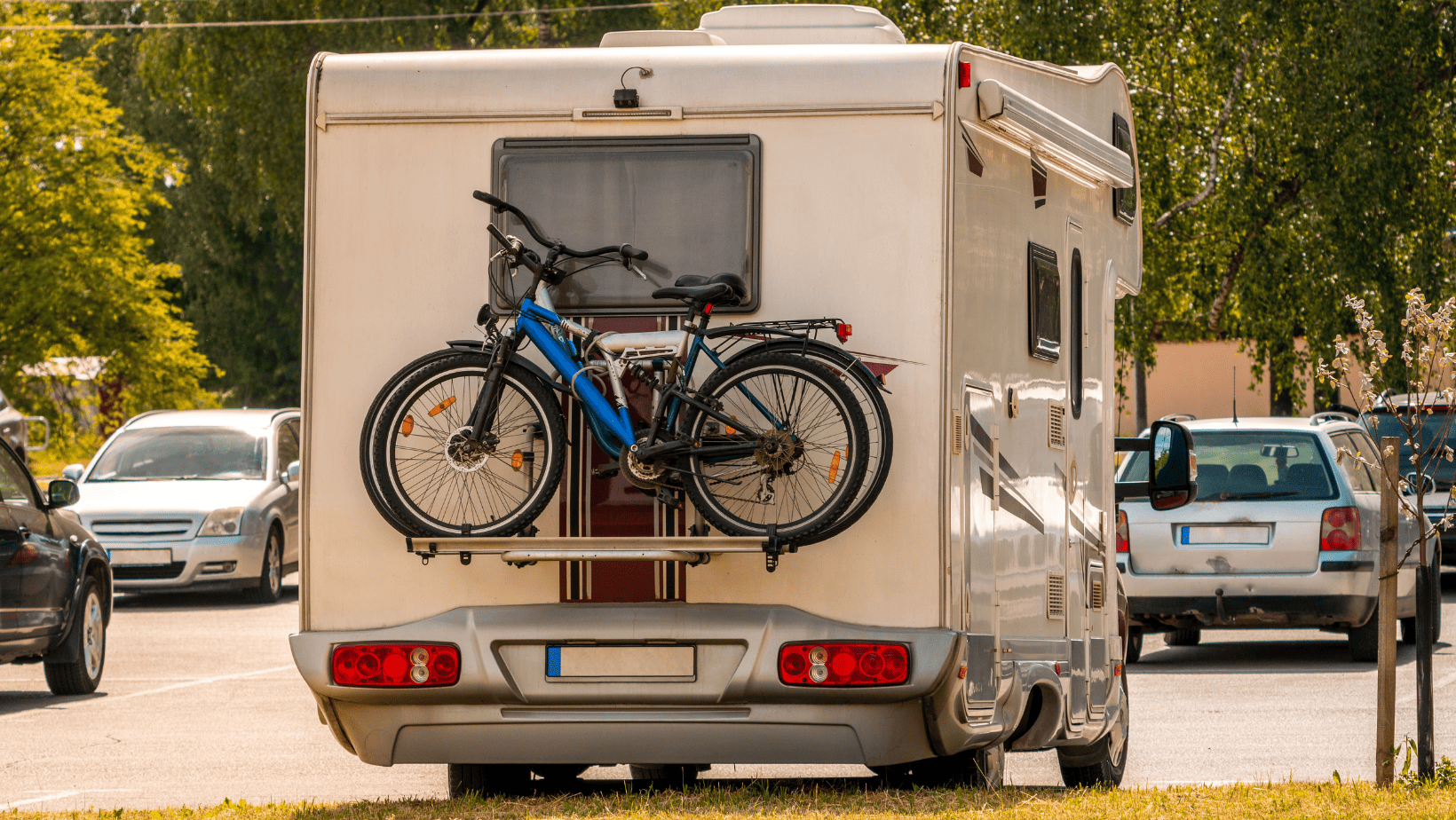
1. RV Bike Rack Options
Before we dive into the tips, let’s explore the primary RV bike rack options:
- Hitch-Mounted Bike Rack: These racks attach to your RV’s hitch receiver. They are available in various sizes and can typically carry two to four bikes.
- Bumper-Mounted Bike Rack: Some RVs come with a rear bumper designed to support a bike rack. Check if your RV has this feature and consider a bumper-mounted rack.
- Interior Storage: If you have enough space inside your RV, you can store bikes there. This option is ideal for smaller RVs or for those who want to protect their bikes from the elements.
2. Consider Your RV’s Weight Limit
Before purchasing a bike rack or loading bikes onto your RV, ensure that you’re within your RV’s weight limit. Exceeding this limit can affect your RV’s performance and safety.
3. Choosing the Right Bike Rack
Select a bike rack that matches your RV’s compatibility and your biking needs. Consider factors like the number of bikes you need to transport, ease of installation, and durability.
4. Securing Bikes Properly
Whether using a hitch-mounted or bumper-mounted rack, ensure that your bikes are securely fastened. Use bike locks to deter theft during stops.
5. Regular Inspection
Before each trip, inspect your bike rack and its attachment points for any loose bolts or damage. Regular maintenance ensures your bikes stay safe during travel.
6. Protecting Your Bikes
Consider using bike covers or blankets to protect your bikes from road debris, weather, and UV rays. This helps maintain their condition for longer.
7. Loading and Unloading
Practice loading and unloading your bikes to minimize the risk of accidents or damage. Ensure that your bikes are securely in place before hitting the road.
8. Know Your RV’s Dimensions
Be aware of your RV’s height and width, especially when carrying bikes on the rear. Pay attention to clearances, such as bridges and tunnels, to avoid collisions.
9. Secure Loose Parts
Remove any detachable or loose parts from your bikes, such as water bottles or accessories, and stow them securely to prevent loss.
10. Alternative Solutions
If you’re concerned about weight limits or space, consider collapsible or folding bikes, which are designed for easy storage in smaller RVs.
11. Explore Bike-Friendly Destinations
Research campgrounds and destinations that cater to RVers with bikes. Look for places with bike trails, scenic routes, and bike-friendly facilities.
12. Safety First
Always prioritize safety. Wear helmets, use proper biking gear, and obey traffic rules when riding your bikes near your RV.
Conclusion
Taking your bikes along when RVing can add a new dimension of adventure to your travels. With the right bike rack and careful planning, you can enjoy the freedom of exploring new destinations on two wheels. Whether you’re cruising through scenic landscapes or pedaling to nearby attractions, your bikes can be your trusty companions on the road. So, get ready to uncover new adventures and experiences as you combine the joys of RVing with the thrill of biking. Safe travels and happy cycling!