
Boondocking, or dry camping, offers RVers the chance to escape crowded campgrounds and enjoy the serenity of remote locations. While newer RVs are often equipped with advanced electrical systems and multiple batteries for extended off-grid stays, older RVs may have limited power resources. However, with a few strategic upgrades and modifications, you can transform your older RV into a boondocking-friendly haven, all with just one battery. In this guide, we’ll walk you through the steps to make your older RV boondock-ready, ensuring you have the power you need for off-grid adventures.

1. Evaluate Your Current Battery
Begin by assessing the condition of your RV’s existing battery. If it’s old, weak, or not holding a charge effectively, consider replacing it with a new deep-cycle battery. Deep-cycle batteries are designed for continuous, slow discharges, making them ideal for boondocking.
2. Install a Battery Isolator
To prevent your RV’s engine from depleting your battery while you’re parked, install a battery isolator or solenoid. This device ensures that the starting battery (used for the engine) remains separate from the house battery (used for appliances and lights) while you’re not driving.
3. Upgrade to LED Lighting
Replace incandescent and halogen bulbs with energy-efficient LED lighting throughout your RV. LED lights consume significantly less power, extending the lifespan of your battery during boondocking.
4. Use Solar Power
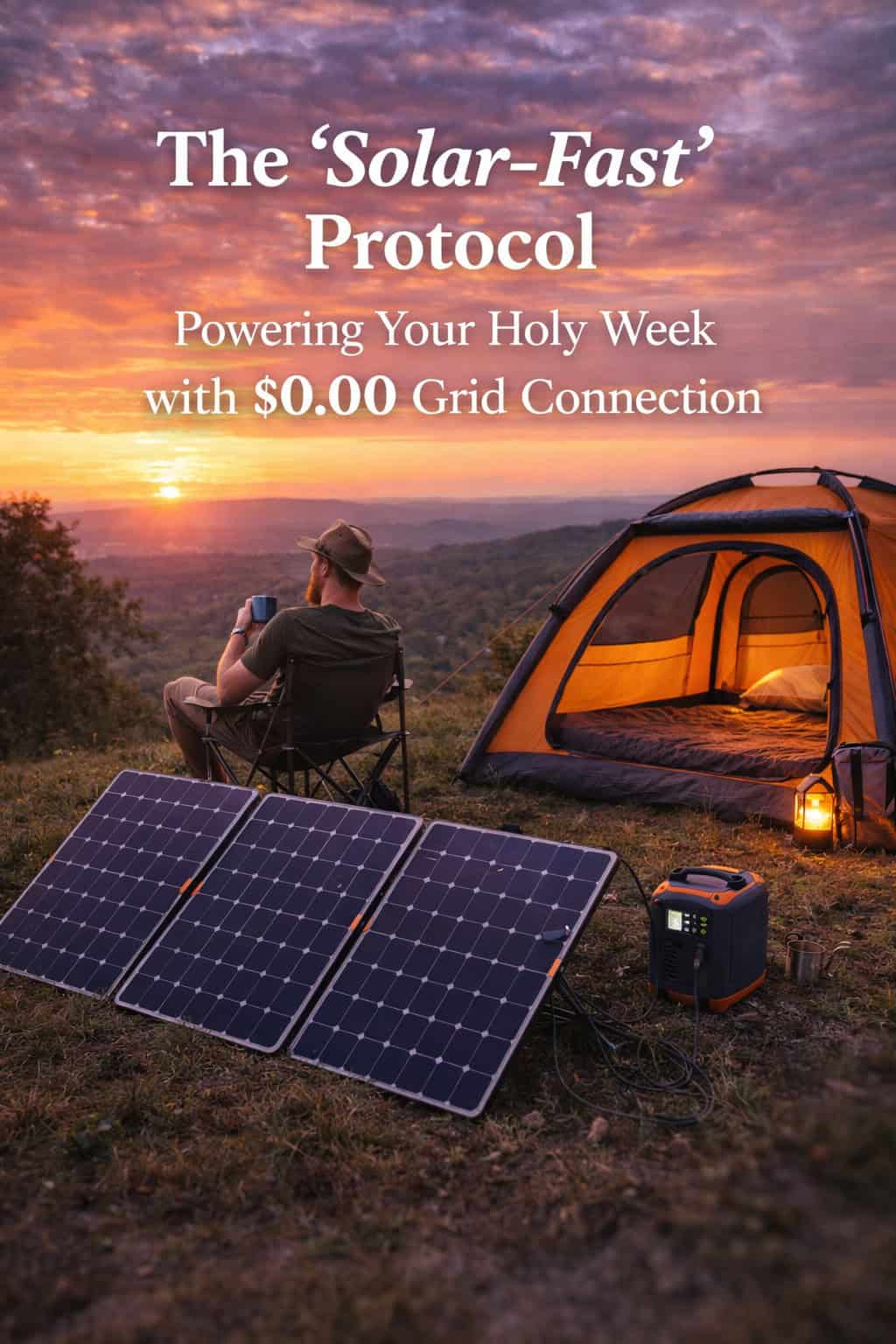
Invest in a portable solar panel kit that can charge your RV battery during the day. These kits come with solar panels, a charge controller, and cables. Simply set up the panels in direct sunlight to generate power.
5. Energy-Efficient Appliances
Choose energy-efficient appliances and accessories for your RV, such as a low-wattage microwave, energy-efficient refrigerator, and a propane stove for cooking. These choices help conserve power when boondocking.
6. Power Management
Practice power management by using appliances sparingly. Prioritize essential devices and limit usage of power-hungry equipment when boondocking.
7. Battery Monitor
Install a battery monitor to keep track of your battery’s state of charge and voltage. This device helps you avoid over-discharging the battery, which can damage it.
8. Generator as Backup
Consider carrying a small portable generator as a backup power source for emergencies. While boondocking is about relying on your battery and solar power, having a generator can provide peace of mind.
9. Water Pump and Propane
Opt for a water pump that operates on 12V DC, and use propane for heating and cooking. These choices reduce the strain on your battery.
10. Optimize Ventilation
Use roof vents or fans with low power consumption for ventilation. Adequate airflow can help regulate the temperature inside your RV without overtaxing your battery.
11. Insulation
Improve your RV’s insulation to maintain a comfortable interior temperature with less reliance on heating or cooling systems.
12. Regular Battery Maintenance
Perform routine battery maintenance, including checking the water level (for flooded lead-acid batteries) and cleaning terminals. Proper care can extend the life of your battery.
13. Emergency Power Bank
Carry a portable power bank for essential devices like phones and emergency lighting. This way, you can reserve your RV battery for critical systems.
With a strategic approach and a few upgrades, your older RV can become boondock-ready with just one battery. Embrace the freedom of off-grid camping, surrounded by the beauty of nature, while still enjoying the comforts of your RV. By maximizing your battery’s efficiency and conserving power, you can embark on memorable boondocking adventures and make the most of your RV’s capabilities. Happy boondocking!