
Spring Doesn’t Always Mean Sunshine
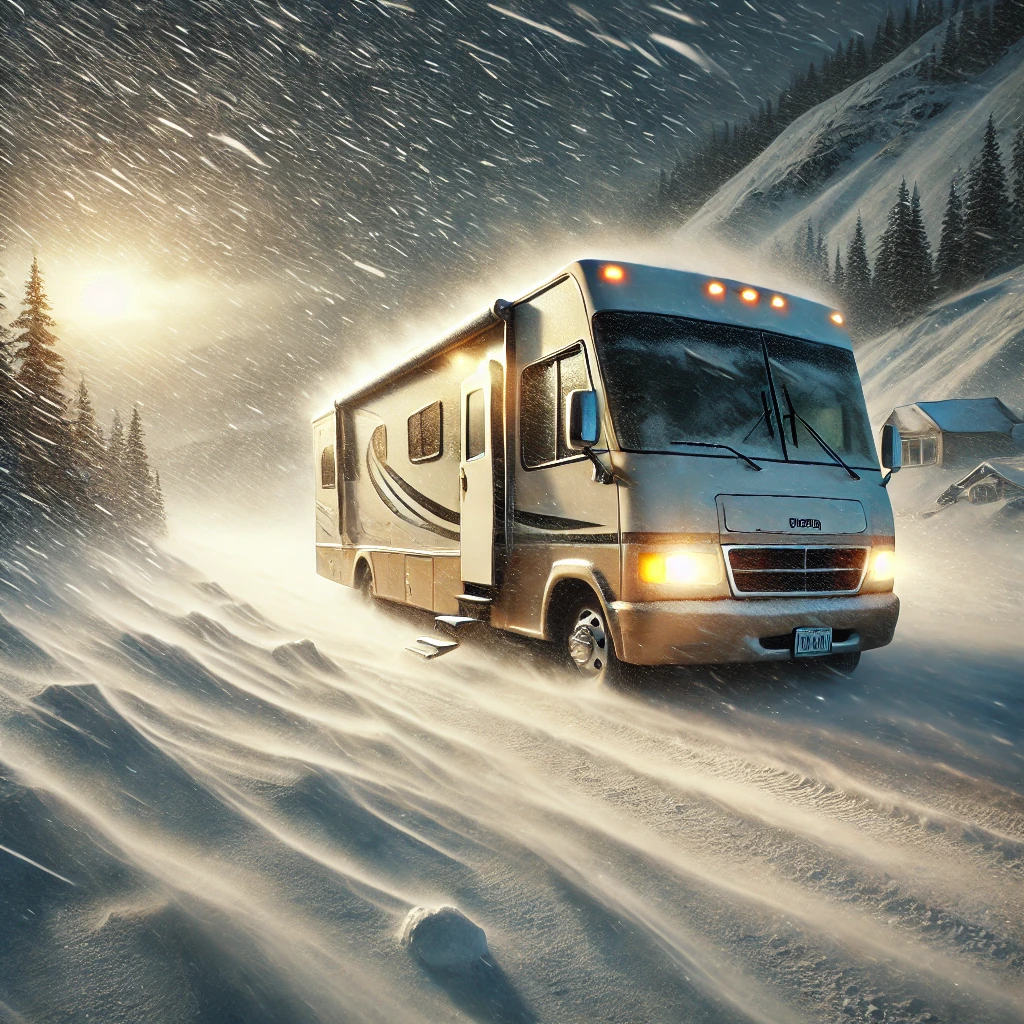
Spring camping brings longer days, blooming landscapes, and warmer weather—at least, that’s the expectation. But for those venturing into the mountains or northern states, spring can also mean unexpected blizzards and sudden snowstorms. Just when you think winter is over, a cold front can sweep in, leaving roads icy, temperatures plummeting, and campers unprepared.
So, what do you do if a surprise snowstorm hits while you’re RVing? Preparation is key, but knowing how to react when the snow starts falling can mean the difference between a minor inconvenience and a dangerous situation.
Before You Go: Preparing for Late-Season Snow
Even if snow isn’t in the forecast, spring weather is unpredictable. Here’s how to be ready before heading out:
1. Pack Cold-Weather Gear (Even If You Think You Won’t Need It)
- Insulated clothing, gloves, and waterproof boots
- Thermal blankets and extra bedding
- A propane or electric space heater (rated for indoor use)
- Non-perishable food and extra drinking water
2. Check Road Conditions and Weather Alerts
- Before setting out, check live road cams and weather updates.
- Be aware of elevation changes—higher altitudes mean colder temperatures and a greater chance of snow.
3. Winterize Your RV for Unexpected Cold
- Insulate exposed pipes to prevent freezing.
- Keep your fresh water tank at least half full to avoid freezing lines.
- Have a way to heat your rig without shore power (propane, generator, or extra battery power).
What to Do If You’re Already on the Road
If a snowstorm catches you while driving, here’s how to stay safe:
1. Slow Down or Stop Completely
- Reduce speed and allow extra stopping distance.
- If conditions worsen, pull into a safe parking area and wait it out.
2. Avoid Steep Grades and Unplowed Roads
- Snow can turn steep roads into ice-covered hazards.
- Stick to major roads where plows are more likely to clear a path.
3. Use Chains or Traction Devices
- If you’re in an area prone to snow, having tire chains or traction mats can prevent getting stuck.
If You’re Parked at a Campground or Boondocking
Already set up camp when the storm rolls in? Here’s how to stay warm and safe:
1. Conserve Power and Fuel
- Run your heater in cycles to conserve propane.
- If using a generator, make sure the exhaust is clear of snow to prevent carbon monoxide buildup.
2. Clear Snow From Your Roof and Vents
- Snow accumulation can block ventilation, leading to dangerous carbon monoxide buildup.
- Use a broom or long-handled brush to clear your RV’s roof and slide-outs.
3. Keep a Safe Exit Route
- Regularly clear snow from around your tires and undercarriage.
- If possible, park with your exit facing downhill—snow-covered inclines can be impossible to climb.
When the Storm Passes: Getting Back on the Road
Once conditions improve, follow these steps before hitting the road again: ✔ Check for Ice: Walk around your rig to ensure steps, doors, and hatches aren’t frozen shut.
✔ Inspect Your Roof: Heavy snow or ice buildup can damage your RV’s roof or awning.
✔ Test Your Brakes & Traction: Before driving at full speed, do a slow test stop in a safe, flat area.
Final Thoughts
Spring travel is full of surprises, and while no one hopes to get caught in a blizzard, being prepared can keep you safe. If you’re heading into unpredictable climates, always have an emergency plan. With the right gear and a level-headed approach, you can ride out a spring snowstorm and still enjoy the beauty of the season—just with a little extra winter magic.