
The Unpredictability of March Weather
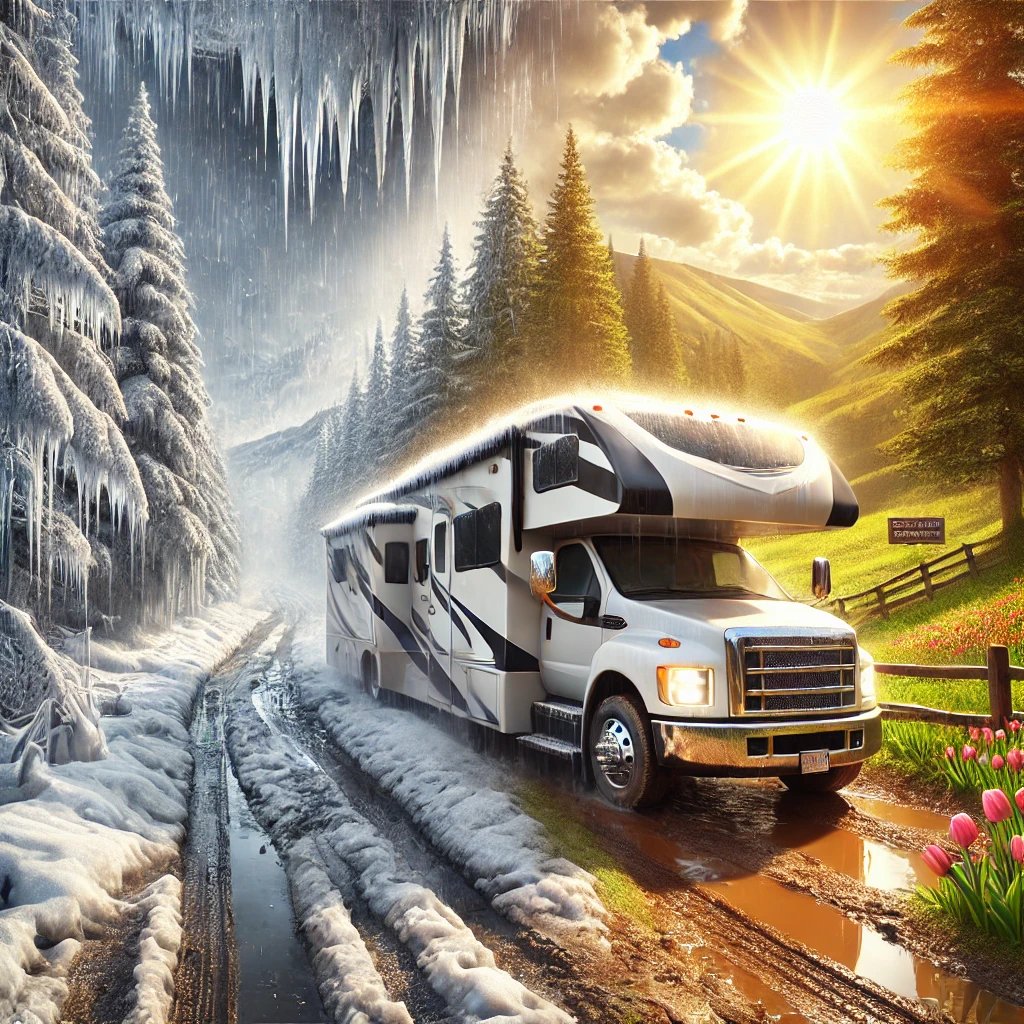
March is one of the most unpredictable months for RV travelers. One day, you might be waking up to frosted windows and a dusting of snow, and the next, you’re cranking up the AC to escape an unexpected heatwave. With the transition from winter to spring, weather patterns can shift dramatically, making it crucial to be prepared for anything.
So how do you pack, plan, and adjust to whatever Mother Nature throws your way? Whether you’re heading to the mountains, the desert, or coastal regions, here’s how to handle the unpredictable shifts in March weather.
1. Pack for Every Temperature
Spring travel means one thing—layers! You’ll need to prepare for both chilly mornings and warm afternoons. Here’s how:
✔ Base layers – Moisture-wicking shirts and thermal leggings for cold snaps.
✔ Mid-layers – Lightweight sweaters or fleece to adjust as temperatures change.
✔ Outerwear – A waterproof jacket or windbreaker to combat unexpected rain or wind.
✔ Footwear – Insulated boots for cold and waterproof shoes for wet conditions.
Tip: Always keep a warm blanket or heated throw in your RV for those unexpected cold nights!
2. Monitor the Forecast, But Expect Changes
Checking the weather before heading out is a must, but be aware that conditions can shift quickly. Use multiple weather apps to compare forecasts and check for alerts on potential storms or extreme heat.
📌 Pro tip: NOAA weather radio or emergency weather apps can provide real-time updates even in areas with weak cell service.
3. Prepare for Late-Season Snowstorms
Many regions, especially in higher elevations, can still experience snowfall in March. If you’re traveling in the mountains, be prepared with:
- Tire chains or snow-rated tires for traction on icy roads.
- RV skirting or insulation to prevent pipes from freezing overnight.
- Extra propane or heating sources to keep warm without overusing your RV’s battery.
If snow isn’t in your plans, but you encounter it unexpectedly, know where the nearest safe pull-off or lower-elevation campground is.
4. Stay Ahead of Spring Flooding and Muddy Roads
Melting snow and spring rain can turn roads into muddy messes or even cause flash floods in some areas. If you’re boondocking or camping off-grid, make sure your site won’t become a swamp after a storm.
✔ Park on higher ground if rain is expected.
✔ Have traction boards in case you need to get unstuck.
✔ Know the nearest evacuation routes if flash flooding is a concern.
5. Be Ready for Early Spring Heatwaves
In contrast to the cold, March can also bring unusually warm temperatures. If your destination experiences an early-season heatwave, stay comfortable by:
- Parking in shaded areas or using reflective sunshades to reduce interior heat.
- Using ventilation fans and keeping windows open to maintain airflow.
- Staying hydrated and having a cooling towel or misting fan on hand.
Even if you weren’t expecting heat, a sudden temperature rise can quickly turn your RV into an oven—so be proactive.
6. Watch Out for High Winds
March is notorious for unpredictable wind gusts, especially in open landscapes like the desert or plains. Secure loose outdoor gear and always check wind speeds before driving, especially in high-profile motorhomes or trailers.
📌 If wind speeds exceed 40 mph, it’s best to pull over and wait it out.
Final Thoughts
March may be a tricky month for RV travel, but with a little preparation, you can handle whatever weather comes your way. Flexibility is key—be ready to adjust routes, change plans, or extend your stay if needed. Whether it’s a cold front, heatwave, or sudden storm, staying prepared will keep your adventure stress-free and enjoyable.