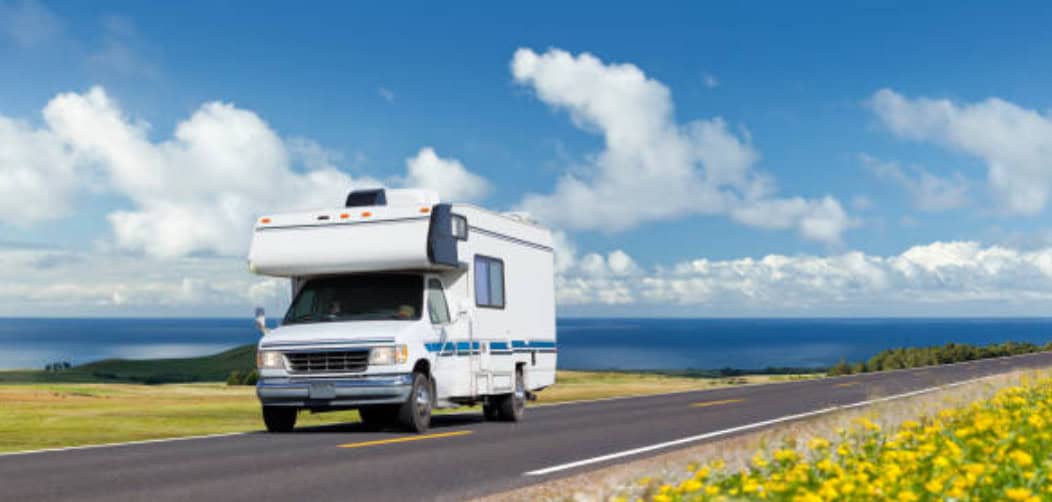
Buying an RV is a big decision, and taking it for a test drive is one of the most important steps in the process. Whether you’re upgrading from a smaller rig or jumping into RVing for the first time, a test drive will help you figure out if the RV feels right and handles well for your needs. Here’s a simple guide with tips to make your first RV test drive stress-free and effective.
1. Bring the Right Gear
Before hitting the road, prepare for your test drive to ensure you get the most out of the experience.
- Driver’s License: Make sure your license allows you to legally drive the size of RV you’re testing. Some larger rigs may require a special endorsement.
- Notebook or Phone: Jot down notes about how the RV feels or any issues you notice.
- Passenger or Co-Pilot: Bring someone you trust to help you assess the RV from the passenger seat and to ask additional questions you might forget.
Pro Tip: Wear comfortable clothes and shoes that allow you to move freely while operating the RV.
2. Get Familiar with the RV Before Driving
An RV is very different from a regular car or truck. Spend some time getting to know the vehicle before putting it in gear.
- Inspect the Cockpit: Familiarize yourself with the controls, mirrors, dashboard, and backup camera. Adjust the seat and mirrors for maximum visibility.
- Understand the Size: Walk around the RV to get a sense of its length, height, and width. If the RV has slide-outs, take note of how they affect the space when retracted.
- Ask Questions: Don’t hesitate to ask the dealer or seller how specific systems work, such as the parking brake, generator, or leveling jacks.
Pro Tip: Take a few minutes to mentally map out where the blind spots are and practice using the side mirrors before you hit the road.
3. Test It in a Variety of Conditions
To truly understand how an RV performs, try it out in different driving situations.
- Start Slow: Begin in a parking lot or low-traffic area to get a feel for how the RV accelerates, brakes, and turns.
- Drive on the Highway: Test how the RV handles at higher speeds and check for wind resistance, engine power, and stability.
- Navigate Tight Spaces: Find a residential area or a parking lot to practice making tight turns and parking. This is especially important for larger Class A and Class C motorhomes.
- Check Hill Performance: If possible, test the RV on an incline to see how it handles climbing and descending hills.
Pro Tip: Pay attention to how comfortable you feel behind the wheel. If the RV feels intimidating or hard to control, it might not be the right fit.
4. Pay Attention to Key Features
While driving, keep an eye (and ear) out for specific details that will impact your experience:
- Engine Performance: Is there enough power for smooth acceleration? Does the engine sound healthy?
- Braking: Test the brakes in a safe area to ensure they respond quickly and smoothly. Listen for unusual noises.
- Suspension: Notice how the RV handles bumps or rough roads. A bumpy ride can make long trips uncomfortable.
- Noise Levels: Some RVs can be noisy while driving, so check for rattling, squeaks, or engine noise that could become annoying on long trips.
- Turning Radius: Try a U-turn or tight corner to see how maneuverable the RV is in small spaces.
Pro Tip: Test drive more than one RV model to compare how each handles and feels.
5. Evaluate the Living Space
While the test drive is about driving, don’t forget to evaluate the RV’s interior. After all, you’ll be spending plenty of time living in it!
- Comfort: Sit in the driver’s seat and other areas to assess comfort. Are the seats supportive?
- Noise and Vibration: Does anything rattle or shift when the RV is in motion?
- Accessibility: Can you easily move around the RV when it’s parked? Check for space in the kitchen, bathroom, and sleeping areas.
- Visibility: Are windows positioned well for natural light and scenic views while parked?
Pro Tip: If the dealer allows it, simulate using the RV’s features, like reclining the seats, pulling out the bed, or stepping into the shower.
6. Ask About Towing
If you plan to tow a vehicle or trailer, ask about the RV’s towing capacity and how it handles with extra weight.
- Towing Setup: Look at the hitch and towing setup to ensure it’s compatible with your needs.
- Power: Ask if the engine has enough power to handle the extra weight comfortably.
- Practice Towing: If possible, try a test drive with a tow load to get a feel for how it affects handling and braking.
7. Test the Technology
Modern RVs often come with advanced tech features to make driving easier and safer.
- Backup Camera: Make sure it provides a clear view and works seamlessly.
- Navigation System: If the RV has built-in navigation, test how user-friendly it is.
- Safety Features: Look for lane departure warnings, adaptive cruise control, and blind spot monitoring if available.
Pro Tip: Technology can be a game-changer for first-time RVers, so prioritize features that make you feel more confident on the road.
8. Don’t Rush the Process
Buying an RV is a big investment, so take your time during the test drive.
- Take Multiple Drives: Don’t hesitate to schedule additional test drives if you need more time to evaluate the RV.
- Sleep on It: After the test drive, take a day to think about your experience and discuss it with your travel partner if you have one.
- Ask for Expert Advice: If you’re unsure, bring an experienced RVer or mechanic to help evaluate the RV.
Final Thoughts
The right RV should feel like an extension of your home and your driving style. A thorough test drive will give you the confidence to make an informed decision and hit the road with excitement. So, take your time, ask questions, and enjoy the process—your perfect RV is waiting!