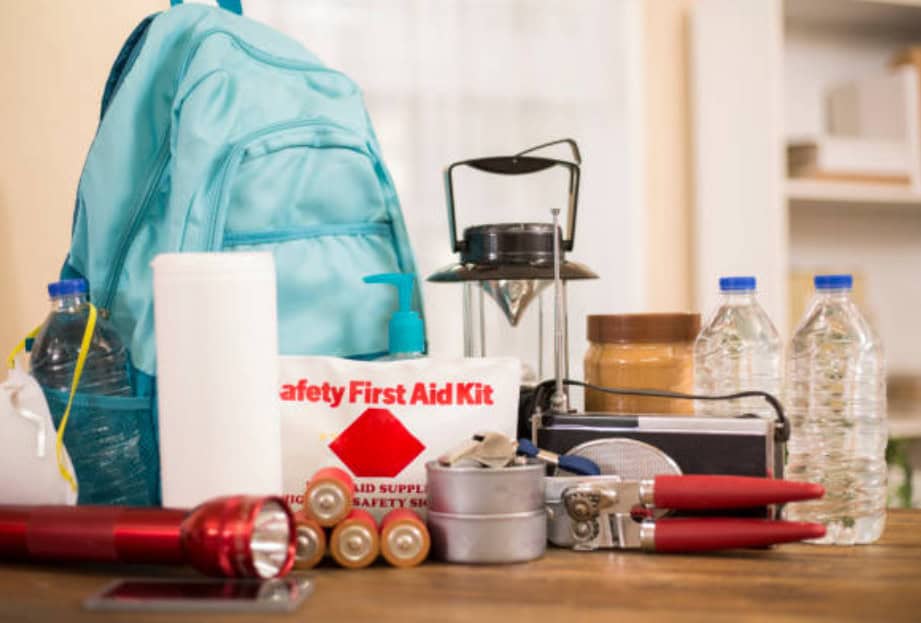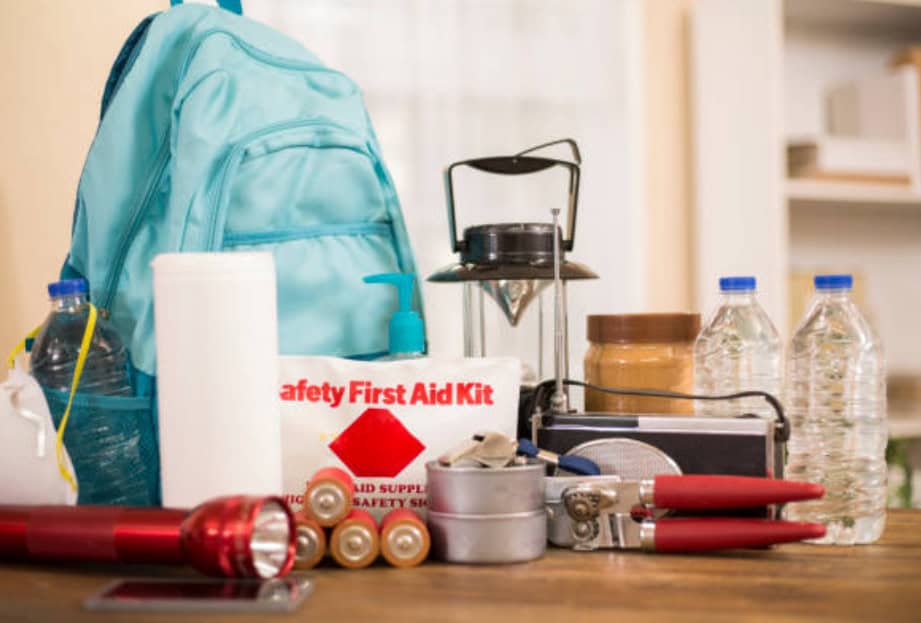
When you’re on the road in an RV, adventure is part of the experience—but so is the unexpected. A flat tire, bad weather, or even a power outage can quickly derail your trip if you’re not prepared. That’s why having an RV emergency kit is a must for every traveler. It’s not just about safety—it’s about peace of mind. Here’s a practical guide to creating an RV emergency kit that will keep you ready for anything.
1. Why You Need an RV Emergency Kit
An RV emergency kit is your safety net for when things go wrong. It ensures that you can handle minor mishaps and keep yourself and your passengers safe until help arrives or the situation improves.
- Unexpected Breakdowns: Whether it’s a flat tire or a dead battery, having tools and supplies on hand can save the day.
- Weather Challenges: Storms, floods, or extreme heat can create emergencies, especially in remote areas.
- Medical Situations: Even a minor injury can become a big deal without the right first-aid supplies.
2. Items to Include in Your RV Emergency Kit
Your emergency kit should be tailored to your RV, travel plans, and personal needs, but here are the essentials every kit should have:
Basic Tools and Repairs
- Multi-Tool: Compact and versatile for minor repairs.
- Duct Tape: A lifesaver for quick fixes, from sealing leaks to holding parts in place.
- Jumper Cables: Essential for a dead battery. Consider a portable jump starter for added convenience.
- Tire Repair Kit: Fix minor punctures until you can replace the tire.
- Spare Fuses: For quick electrical fixes.
- WD-40: Useful for lubricating stuck parts or removing rust.
- Wrenches and Screwdrivers: Keep a small set of basic tools.
Safety and Survival Gear
- Flashlights and Extra Batteries: LED flashlights are bright and long-lasting.
- Portable Phone Charger: A fully charged power bank ensures you can call for help if needed.
- Fire Extinguisher: Check that it’s rated for both electrical and fuel fires.
- Emergency Radio: A battery-powered or hand-crank radio helps you stay informed during bad weather.
- Reflective Triangles or Road Flares: Make your RV visible during roadside emergencies.
- Whistle: A loud whistle can help you signal for help if needed.
First-Aid Supplies
- Bandages and Gauze: For minor cuts and injuries.
- Antiseptic Wipes: Clean wounds to prevent infection.
- Tweezers: Useful for removing splinters or ticks.
- Pain Relievers: Stock both ibuprofen and acetaminophen.
- Allergy Medication: Antihistamines for unexpected allergic reactions.
- Prescription Medications: Include a few days’ supply in case of delays.
Food and Water
- Bottled Water: Keep at least a gallon per person per day for three days.
- Non-Perishable Snacks: Granola bars, canned food, or trail mix can keep you fueled.
- Can Opener: Don’t forget this if you pack canned goods!
Comfort and Warmth
- Blankets or Sleeping Bags: Essential if you’re stranded in cold weather.
- Rain Ponchos: Stay dry in unexpected downpours.
- Extra Clothes: Pack layers for warmth and comfort.
- Gloves and Hats: Protect yourself in colder conditions.
3. Organizing Your Emergency Kit
A well-organized kit is easier to use in an emergency. Here’s how to keep everything accessible:
- Use Clear Bins: Store items in labeled, waterproof containers for easy identification.
- Group by Category: Separate tools, first-aid supplies, and survival gear into their own sections.
- Keep It Portable: Use a sturdy duffel bag or backpack for items you might need to carry away from the RV.
Pro Tip: Regularly check and update your kit to ensure everything is in working order and hasn’t expired.
4. Additional Tips for RV-Specific Emergencies
In addition to your general emergency kit, consider these RV-specific preparations:
- Spare Keys: Always have a backup set stored in a safe place.
- Water Hose Repair Kit: Fix leaks in your freshwater system.
- Propane Leak Detector: Ensure your propane system is safe and functional.
- Portable Generator: A backup power source can save the day during extended outages.
5. Practice Makes Perfect
Having an emergency kit is great, but knowing how to use it is even better.
- Learn Basic Repairs: Watch tutorials or take a class on RV maintenance to build confidence.
- Practice Setup: Simulate emergencies like changing a tire or using a fire extinguisher.
- Review Safety Plans: Make sure everyone traveling with you knows where the kit is and how to use it.
6. When to Restock Your Kit
Your emergency kit isn’t a “set it and forget it” item. Regularly inspect it for expired items, depleted supplies, or tools that need replacing.
- Every Season: Check items like clothes, water, and tools to ensure they’re appropriate for the weather.
- After Each Trip: Restock anything you used, even if it’s just a bandage or flashlight battery.
7. Final Thoughts
Building an RV emergency kit might seem like a big task, but it’s an essential step for safe and worry-free travel. When you’re prepared for the unexpected, you can focus on the adventure ahead. So gather your supplies, organize your kit, and hit the road with confidence—knowing you’re ready for anything life throws your way.
Safe travels! 🚐