

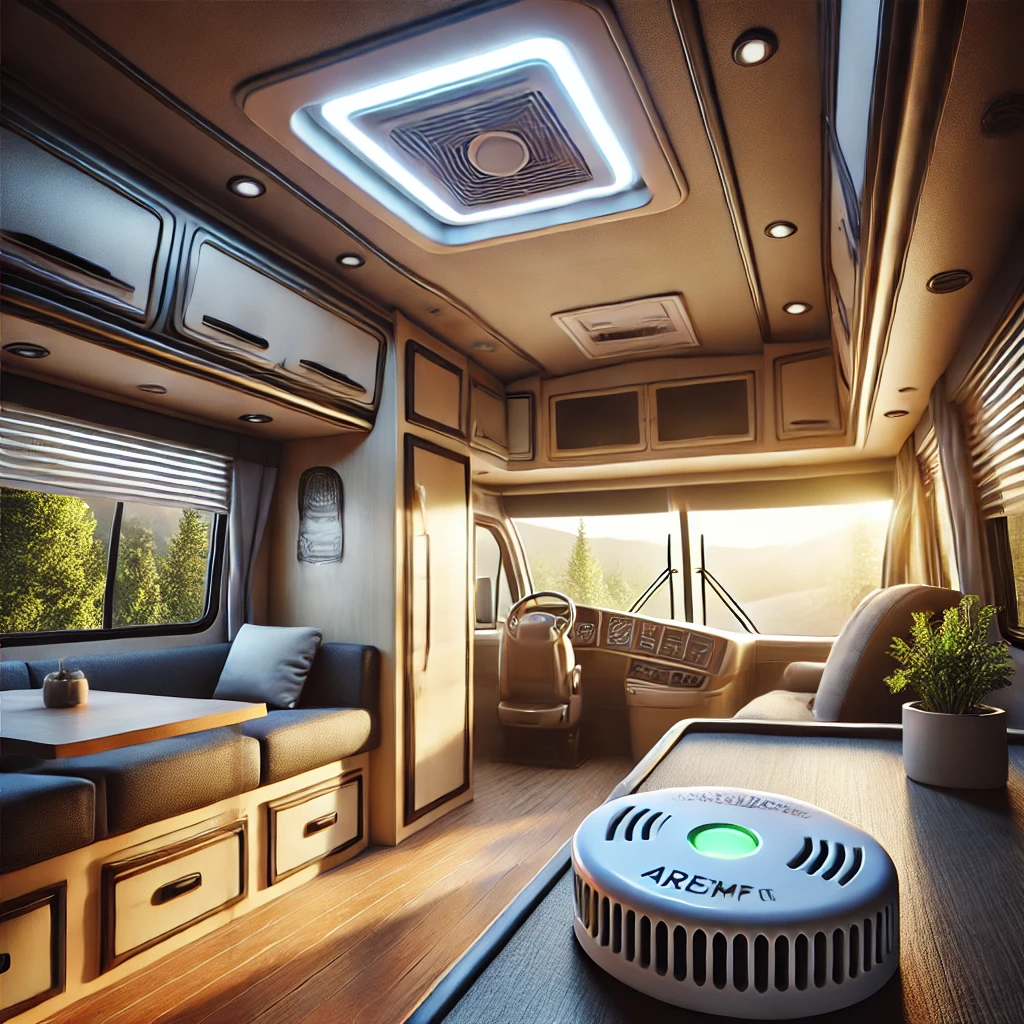
Silent but Deadly: The Hidden Danger Lurking in Your RV
RV life is all about adventure, freedom, and the open road, but there’s one invisible threat that every RVer needs to take seriously—carbon monoxide (CO) poisoning. Unlike a flat tire or a dead battery, this isn’t a problem you can see coming. It’s odorless, tasteless, and can be lethal if ignored.
RVers often use propane appliances, generators, and fuel-powered heaters—making their rigs particularly susceptible to CO buildup if ventilation or safety measures aren’t properly in place. Whether you’re boondocking in a remote location or parked at a luxury RV resort, understanding how to prevent carbon monoxide poisoning is essential.
Let’s break down everything you need to know to keep your travels safe.
What Causes Carbon Monoxide Buildup in an RV?
CO poisoning happens when fuels like propane, gasoline, or diesel burn incompletely. In an RV, this can come from multiple sources:
- Generators: Running a generator too close to your RV without proper exhaust clearance can allow CO to seep inside.
- Propane Appliances: Stoves, ovens, and water heaters must be properly ventilated, or they can leak CO into your living space.
- Portable Heaters: Using unvented heaters inside an RV can quickly cause CO levels to rise to dangerous levels.
- Blocked or Faulty Exhaust Systems: If your RV’s exhaust pipe is clogged with debris or snow, CO gases may be unable to escape.
How to Prevent Carbon Monoxide Poisoning in an RV
1. Install a Carbon Monoxide Detector (and Test It Regularly)
This is your first line of defense. A battery-operated CO detector can save your life by alerting you when CO levels rise. Make sure to:
- Choose a model designed for RVs.
- Install it near sleeping areas.
- Test it monthly and replace batteries regularly.
2. Never Run a Generator Too Close to Your RV
Generators should be at least 20 feet away from your rig with the exhaust facing away. If you have a built-in generator, check that the exhaust system is properly vented and free of blockages.
3. Keep Your RV Well-Ventilated
- When using propane appliances, crack a window or roof vent open.
- Use ceiling fans or MaxxAir vents to circulate fresh air.
- Never block floor or ceiling vents, even in cold weather.
4. Inspect Your RV’s Exhaust Systems
- Regularly check your engine exhaust and generator exhaust pipes for leaks or blockages.
- Make sure no critters or debris are obstructing them.
- If you smell exhaust fumes inside your RV, shut everything off and ventilate immediately.
5. Avoid Using Portable Heaters or Stoves Indoors
Propane space heaters and camp stoves should never be used inside an RV without proper ventilation. If you must use a space heater, opt for one designed for indoor RV use with built-in CO safety shutoffs.
6. Turn Off Engines and Generators Before Sleeping
Many CO poisoning incidents happen while people sleep because they don’t realize CO is building up. Always turn off generators before bed and make sure all appliances are properly shut down.
7. Know the Symptoms of CO Poisoning
Even if you take all precautions, it’s important to recognize the signs of carbon monoxide poisoning:
- Early Symptoms: Headache, dizziness, nausea, fatigue (often mistaken for the flu).
- Severe Symptoms: Confusion, shortness of breath, chest pain, unconsciousness.
- What to Do: If you suspect CO poisoning, get to fresh air immediately and call for emergency medical help.
Final Thoughts: CO Safety Is Non-Negotiable
Carbon monoxide poisoning is 100% preventable—but only if you take the right precautions. A few simple steps, like installing a detector, keeping appliances well-ventilated, and knowing the symptoms, can mean the difference between a safe trip and a deadly one.
By staying aware and proactive, you can enjoy your RV adventures without worry and focus on what truly matters—exploring the open road.
Need More Safety Tips?
Check out our latest guides on RV security, emergency preparedness, and off-grid safety. Safe travels!