

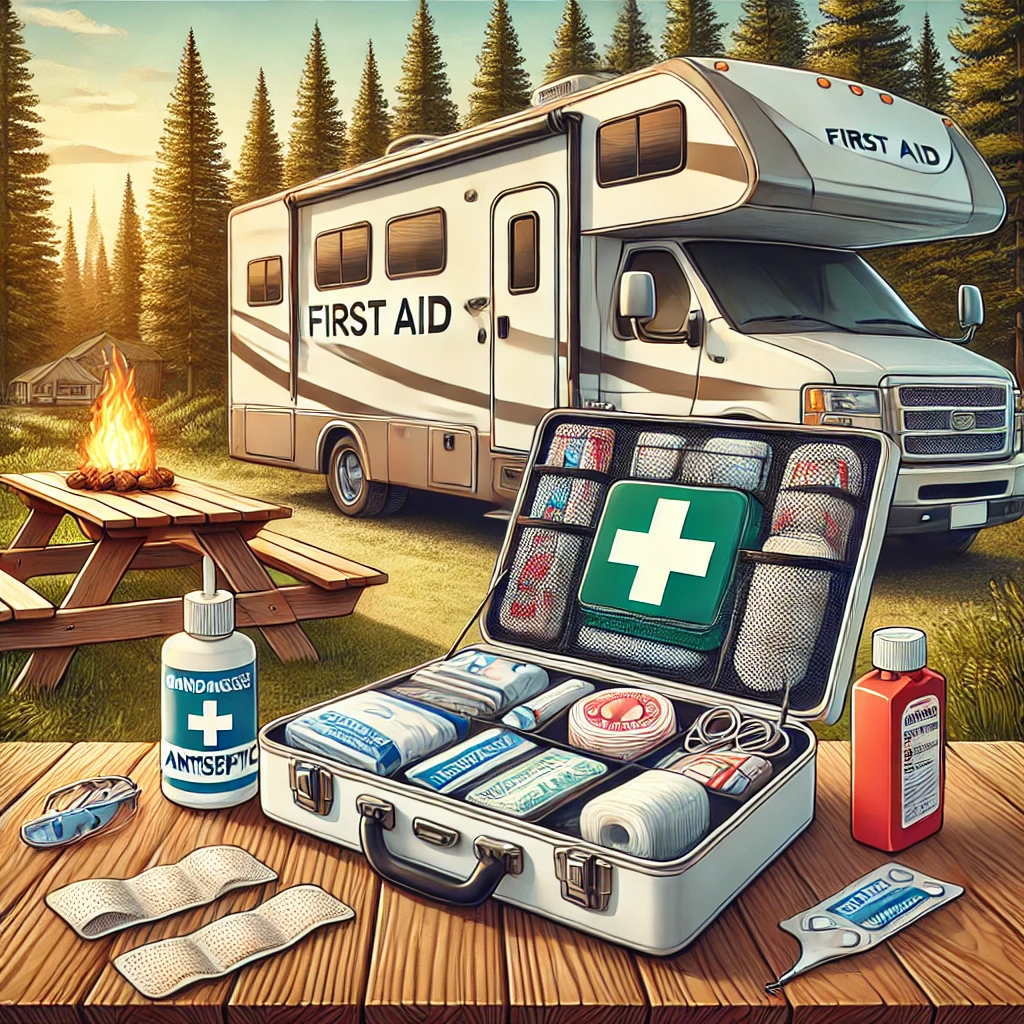
When the Road Throws a Curveball, Be Prepared
Camping and RV life offer incredible freedom and adventure, but accidents can happen anywhere. Whether it’s a scraped knee from a hiking trail, a burn from a campfire, or an unexpected headache, having a solid DIY first aid plan ensures you stay safe and comfortable on the road.
Instead of rushing to urgent care for every minor injury, learning how to handle basic first aid yourself can save time, money, and stress. Here’s how to be prepared for the most common injuries while RVing.
Essential First Aid Kit for RVers
Before diving into treatment tips, make sure your RV is stocked with a well-equipped first aid kit. Here’s what you should have:
✔️ Bandages & Dressings – Adhesive bandages, gauze pads, and medical tape for cuts and scrapes.
✔️ Antiseptic Wipes & Ointments – To clean wounds and prevent infection.
✔️ Pain Relievers – Ibuprofen or acetaminophen for headaches, sore muscles, or minor injuries.
✔️ Tweezers & Scissors – For removing splinters, ticks, or cutting bandages.
✔️ Burn Cream & Aloe Vera – Essential for campfire or cooking-related burns.
✔️ Bug Bite & Sting Relief – Hydrocortisone cream or antihistamines for insect bites.
✔️ Cold & Hot Packs – Instant relief for swelling, sprains, and sore muscles.
✔️ Gloves & CPR Mask – For safe, hygienic first aid practices.
✔️ Emergency Contact List – Phone numbers for urgent care, hospitals, and poison control.
How to Treat Common RV Injuries
1. Cuts & Scrapes
Minor cuts happen often, whether from setting up camp or cooking outdoors. Clean the wound immediately to prevent infection.
Steps to Treat:
- Rinse with clean water and gently pat dry.
- Apply antiseptic or hydrogen peroxide.
- Cover with a bandage or gauze to keep it clean.
- Change the dressing daily or if it gets dirty.
🚨 When to Seek Medical Help: If the cut is deep, bleeding doesn’t stop, or signs of infection appear (redness, swelling, pus).
2. Burns from Cooking or Campfires
Cooking over an open flame or handling hot cookware can lead to burns.
Steps to Treat:
- Run cool (not cold) water over the burn for 10-15 minutes.
- Apply aloe vera or burn cream.
- Cover with a non-stick bandage if necessary.
🚨 Avoid: Ice or butter—these can worsen the burn. Seek medical help if blistering is severe or the burn is deep.
3. Bug Bites & Stings
Mosquitoes, bees, and other insects can leave painful, itchy bites.
Steps to Treat:
- Wash the area with soap and water.
- Apply hydrocortisone cream or antihistamine.
- Use an ice pack to reduce swelling.
- If stung by a bee, remove the stinger with tweezers.
🚨 When to Seek Help: If you experience difficulty breathing, swelling beyond the sting site, or dizziness—these could be signs of an allergic reaction.
4. Sprains & Strains
Hiking or stepping wrong at camp can lead to a twisted ankle or sore muscles.
Steps to Treat (R.I.C.E. Method):
- Rest – Avoid using the injured limb.
- Ice – Apply a cold pack for 15-20 minutes.
- Compression – Wrap with an elastic bandage to prevent swelling.
- Elevation – Keep it raised to reduce inflammation.
🚨 If you hear a pop or can’t put weight on the injury, get medical help.
5. Motion Sickness & Headaches
Long drives and winding roads can cause nausea and headaches.
Steps to Prevent & Treat:
- Stay hydrated and take breaks often.
- Ginger or peppermint tea can help with nausea.
- Take motion sickness medication if needed.
- Use pain relievers for headaches.
Final Tips for RV First Aid
✔️ Check your first aid kit monthly – Replace expired items.
✔️ Know your emergency locations – Identify the nearest hospital or urgent care when traveling.
✔️ Stay calm – Panic won’t help in an emergency—assess and act.
✔️ Take a basic first aid course – Knowing CPR and wound care can be a lifesaver.
By being prepared, you can handle most minor medical issues yourself and keep the adventure going!
Stay Safe & Travel Smart
A well-stocked first aid kit and some basic medical knowledge can keep your RV trip stress-free. Whether you’re exploring remote boondocking sites or hopping between campgrounds, staying prepared for minor injuries ensures you spend more time enjoying the journey and less time worrying about unexpected mishaps.
📌 What’s the most unexpected injury you’ve had on the road? Let us know in the comments!