

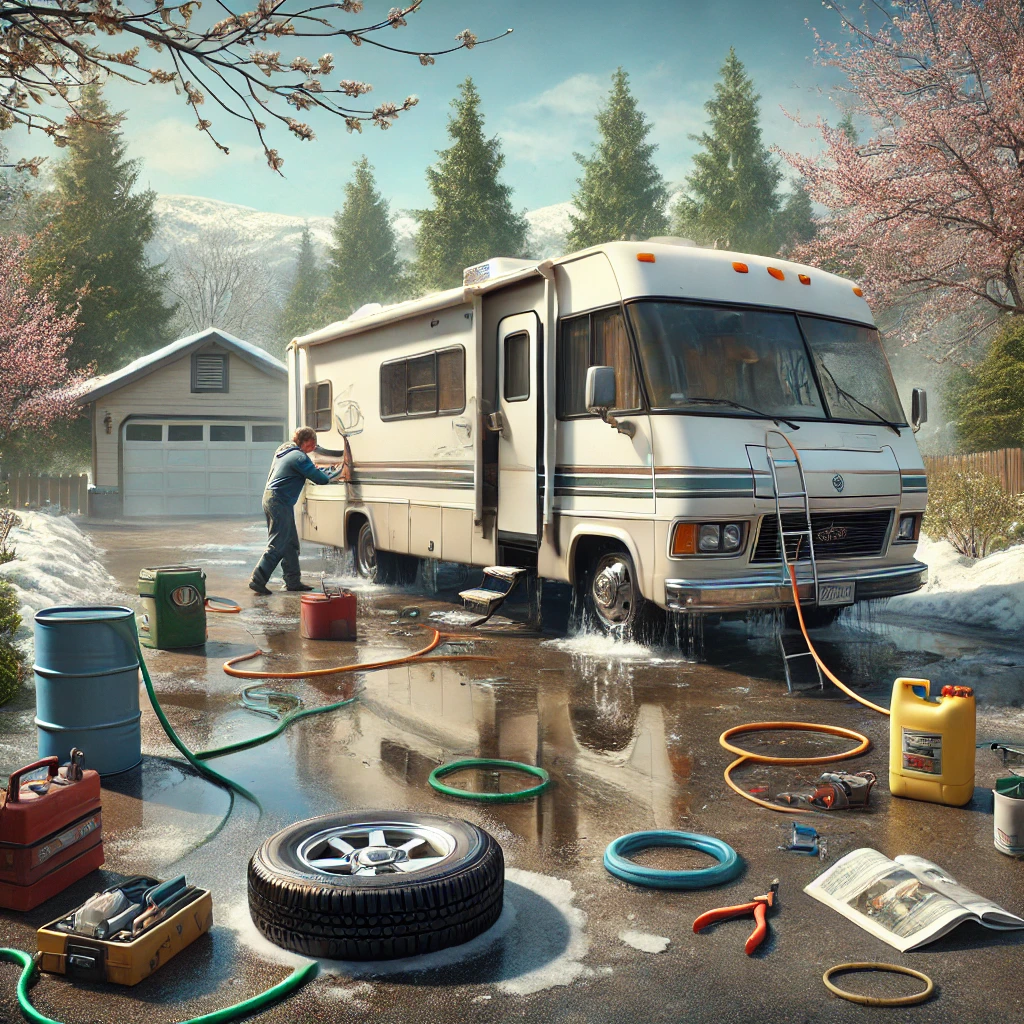
Getting Your RV Back on the Road Without Costly Errors
As the temperatures rise and camping season approaches, it’s time to bring your RV out of hibernation. But de-winterizing your rig isn’t as simple as flipping a switch—one wrong move can lead to expensive repairs, safety hazards, or unexpected breakdowns. Many RVers unknowingly skip crucial steps in the process, turning their first trip of the season into a costly disaster.
To avoid these common pitfalls, here’s what you need to watch out for when de-winterizing your RV.
1. Forgetting to Flush the Plumbing System Properly
One of the biggest mistakes RV owners make is not fully flushing out the antifreeze from the water lines. Even if you use RV-specific, non-toxic antifreeze, it can leave behind a lingering taste, odor, or even residue in the pipes.
✔ How to Avoid It:
- Open all faucets (hot and cold) and run fresh water through the system for several minutes.
- Flush the toilet and run the shower until the water runs clear.
- Don’t forget to sanitize the freshwater tank before refilling it for use.
2. Ignoring Your Water Heater Bypass Valve
If you bypassed your water heater during winterization, forgetting to switch the valve back can lead to frustration and lack of hot water when you need it. Worse, running the water heater while it’s empty can cause damage to the heating element.
✔ How to Avoid It:
- Locate the bypass valve and switch it back to normal operation before refilling the water heater.
- Make sure the tank is full before turning on the heater.
3. Overlooking Tire Pressure and Condition
Your RV’s tires may look fine, but sitting in storage for months can lead to dry rot, cracking, and air loss. Driving on underinflated or damaged tires is a recipe for a blowout.
✔ How to Avoid It:
- Check the tire pressure and inflate to the recommended PSI.
- Inspect the sidewalls for cracks or bulges.
- Look for uneven wear, which may signal alignment issues.
4. Not Checking for Leaks in the Roof and Seals
Winter conditions can be rough on your RV’s exterior, causing seals to crack or shrink. Even small leaks can lead to costly water damage and mold growth.
✔ How to Avoid It:
- Inspect the roof, windows, and slide-outs for any cracks or gaps.
- Reseal problem areas with RV-safe sealant before hitting the road.
5. Ignoring Your Battery’s Health
If your RV battery wasn’t stored properly, it may have lost its charge or suffered damage in the cold. A weak or dead battery can leave you stranded before your trip even begins.
✔ How to Avoid It:
- Fully charge the battery before reinstalling it.
- Check for corrosion on the terminals and clean them if necessary.
- Test the voltage to ensure it’s holding a charge.
6. Overlooking Propane System Safety
A neglected propane system can pose serious safety risks, including leaks or poor burner performance in your appliances.
✔ How to Avoid It:
- Open the propane valve slowly to prevent triggering the excess flow valve.
- Test all appliances (stove, furnace, refrigerator) before your first trip.
- Check for leaks using a soapy water test at the connections.
7. Forgetting to Test Brakes and Lights
Brakes can rust, and wiring can deteriorate over the winter. Before towing or driving your RV, make sure everything is road-ready.
✔ How to Avoid It:
- Test your brake system and listen for any unusual noises.
- Check that all exterior lights, turn signals, and brake lights are functioning.
- Inspect brake fluid levels and look for any leaks.
Final Thoughts
De-winterizing your RV the right way ensures a smooth start to the camping season. Taking the time to inspect, clean, and test your systems can save you from costly repairs and breakdowns later. Don’t rush the process—your wallet (and your peace of mind) will thank you!