
Springing Forward, Falling Back: What It Means for RVers
Twice a year, Daylight Savings Time (DST) shakes up our schedules, and for RVers, the impact goes beyond just adjusting the clock on your dashboard. Whether you’re gearing up for longer spring and summer days or preparing for shorter fall evenings, time changes can throw off everything from your sleep cycle to your campground check-in times.
If you’re planning a camping trip around a time change, understanding how it affects your RV lifestyle can make your travels smoother. Here’s what to watch for—and how to adjust.
How Daylight Savings Affects RV Life
1. Your Sleep Schedule Gets Disrupted
One of the biggest impacts of DST is how it messes with sleep. Losing an hour in spring can leave you feeling groggy, while gaining an hour in fall can shift your wake-up routine. This is especially noticeable when boondocking or staying in remote locations, where natural light plays a big role in your daily rhythm.
Tip: Adjust your sleep schedule a few days before the time change by going to bed earlier (for spring) or later (for fall).
2. Campground Check-In & Check-Out Confusion
Many campgrounds operate on strict check-in and check-out times, usually around 11 AM or 12 PM. If you forget to adjust for DST, you might find yourself scrambling to leave or arriving too early for your reserved spot.
Tip: Call ahead to confirm the local time zone and whether the campground observes DST—some states and regions do not participate.
3. Meal Times Might Feel Off
If you normally eat breakfast at sunrise or dinner at sunset, be prepared for a shift. The first few days after the time change can make it feel like you’re either eating too early or too late.
Tip: Plan your meals based on activity rather than the clock. If you’re hiking or kayaking, bring snacks to keep your energy up as your body adjusts.
4. More or Less Driving in the Dark
Spring forward means later sunsets, allowing for more daylight driving. But in fall, when clocks “fall back,” it can get dark earlier, which might mean driving at night more often than expected.
Tip: Adjust your departure and arrival times accordingly, especially if you prefer not to drive at night. Keep an eye on wildlife—many animals are more active at dusk and dawn.
5. Solar Power Adjustments for Off-Grid Campers
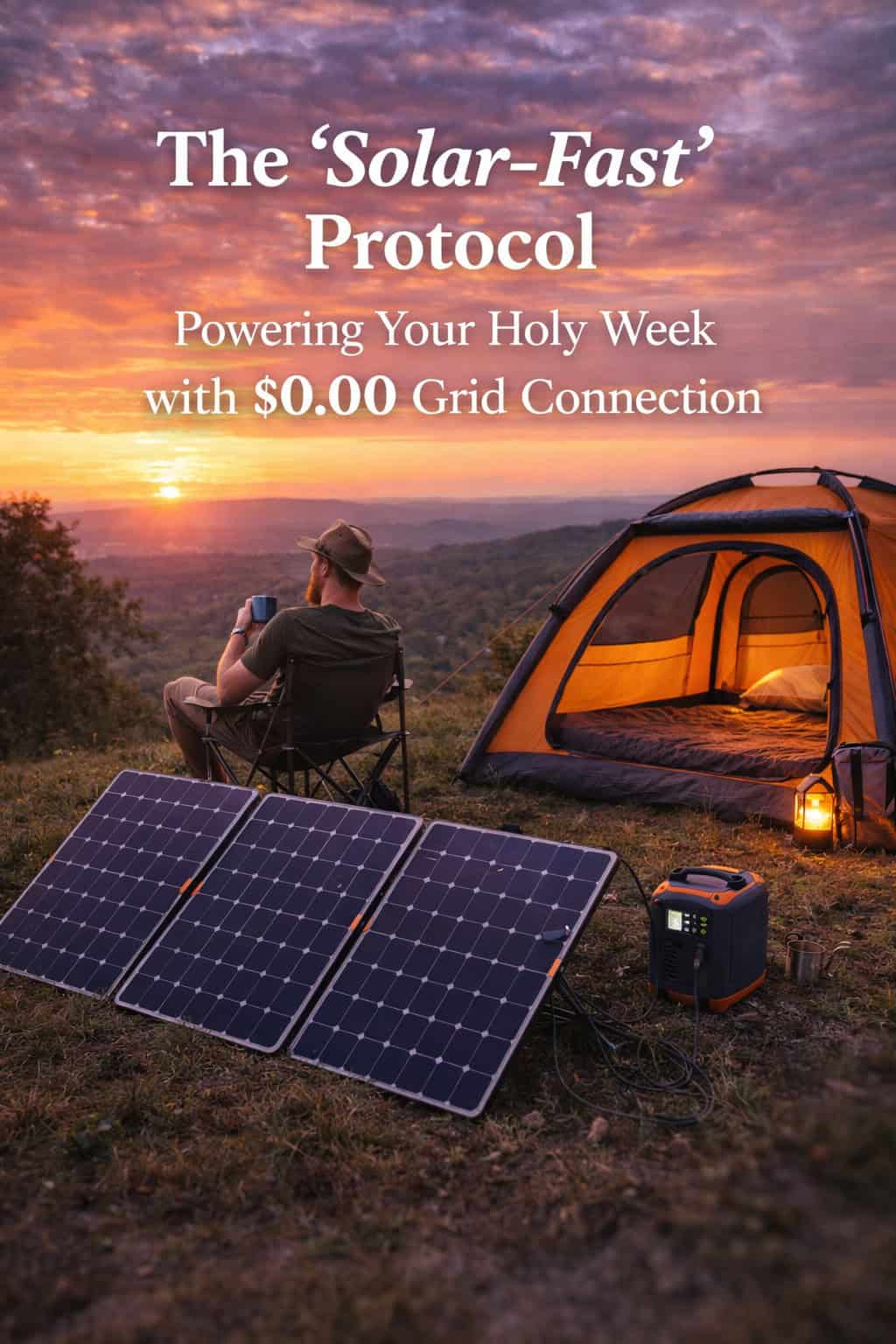
If you rely on solar power for your RV, daylight changes can affect how much energy you generate. In spring and summer, longer days mean more solar efficiency, but in fall and winter, shorter days require better energy management.
Tip: Monitor your battery levels and consider adjusting your solar panel angles to capture the best sunlight.
6. Changing Temperatures and Travel Plans
The time shift often signals a seasonal weather change. Spring-forward means warming temperatures, while fall-back can mean sudden cold snaps. If you’re traveling across regions, be aware of shifting climates.
Tip: Pack layers and check the forecast to avoid surprises, especially if you’re transitioning from warm to cold regions.
How to Adapt to Time Changes While RVing
✅ Update All Your Clocks – Phones update automatically, but don’t forget your RV’s oven, dashboard, and wall clocks.
✅ Plan Travel Around Daylight – Avoid setting up camp in the dark by checking sunset times before hitting the road.
✅ Ease into the Change – Gradually shift your routine by 15–30 minutes a few days before DST.
✅ Check Reservation Details – Some parks and campgrounds may have different operating hours based on DST.
✅ Stay Hydrated and Rested – Your body needs time to adjust, so give yourself some grace during the transition.
Final Thoughts: Make the Most of the Time Change
Whether you gain an extra hour of daylight for adventure or lose one to the time shift, adapting your RV routine can make the transition seamless. The key is planning ahead—so you’re not caught off guard by an early sunset, a late sunrise, or a mistimed check-in.
Daylight Savings is just another part of the nomadic lifestyle—one that, with a little preparation, won’t slow down your next great camping trip.
Where will you be when the clocks change this year?