

The Hidden Danger of RV Travel That Many Campers Overlook
RV travel is one of the best ways to explore the country. You get to see beautiful places, sleep in your own bed every night, and have all your things with you wherever you go. But there’s one part of RV life that many people don’t think about—stopping at a weigh station.
It might seem like a hassle, or maybe you’ve never even considered it. But knowing your RV’s weight is just as important as checking your tire pressure or filling up with gas. Skipping a weigh station can lead to serious problems, from costly repairs to unsafe driving conditions. Here’s why you should never skip an RV weigh station and how it can keep you safe on the road.
What Is an RV Weigh Station?
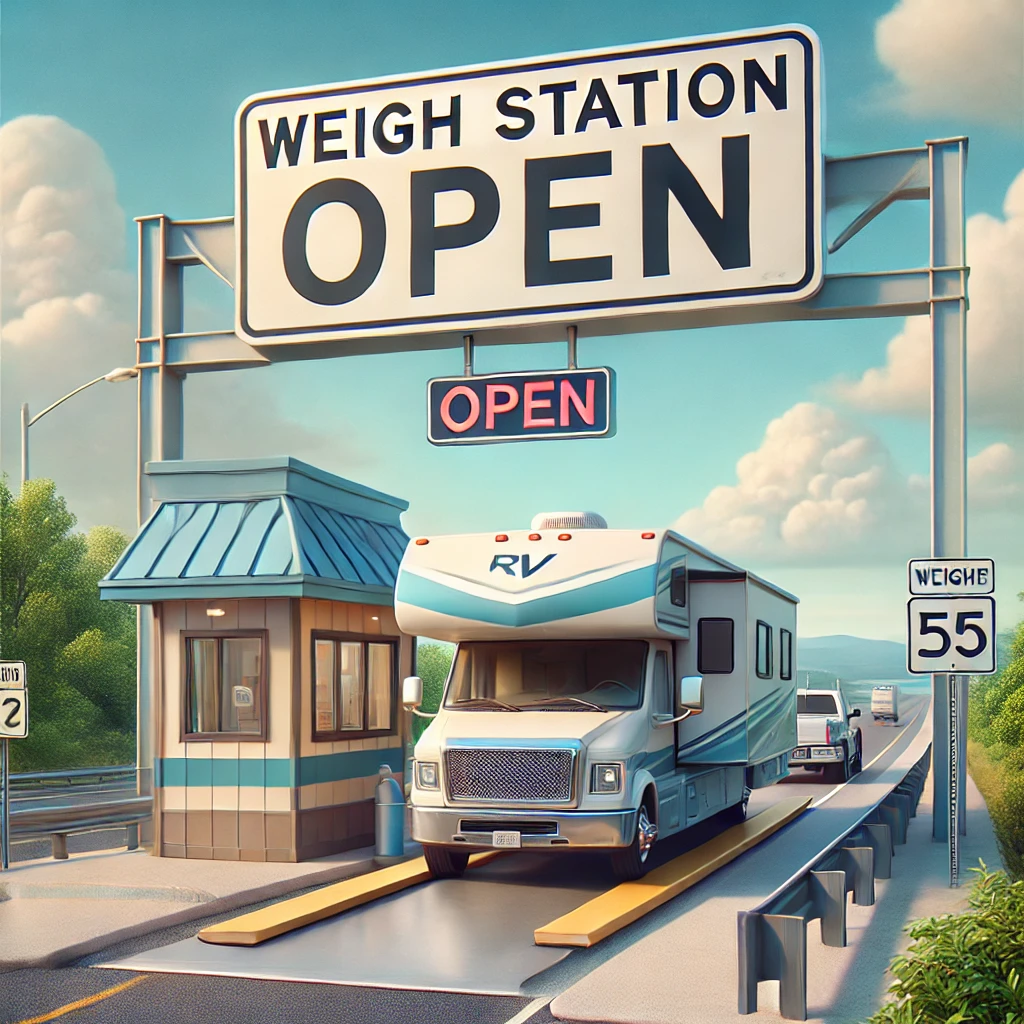
A weigh station is a place where vehicles are weighed to make sure they are safe to be on the road. You’ve probably seen them along highways, often with signs saying “Weigh Station – Open” or “Truck Weigh Station.” These stations are mostly used for commercial trucks, but some places also require or recommend RVs to stop.
Even if stopping at a weigh station isn’t required in your state, it’s still a good idea to know how much your RV weighs. That’s where places like CAT scales or RV-specific weighing locations come in handy.
Why Does RV Weight Matter?
RV weight affects everything from fuel efficiency to how safely you can stop. Here are some key reasons why knowing your RV’s weight is important:
1. Safety on the Road
An overloaded RV is harder to drive. Your brakes have to work harder to stop, and your tires can wear down faster. If you have too much weight in the wrong places, your RV can even become unstable, making it more likely to sway or tip over.
2. Tire Blowouts
Too much weight puts extra pressure on your tires. If your tires aren’t rated for the load, they can overheat and blow out. A blown tire can be dangerous, especially at highway speeds.
3. Legal Requirements
Some states have laws about RV weight, especially if your rig is above a certain size. If you’re pulled over and found to be overweight, you could get a ticket or be forced to adjust your load before continuing your trip.
4. Damage to Your RV
An overloaded RV puts extra stress on the frame, axles, and suspension. Over time, this can lead to costly repairs. If your RV is carrying more than it’s designed for, you might also have problems with your engine or transmission.
5. Better Fuel Economy
The heavier your RV, the more fuel it burns. Knowing your weight can help you stay within safe limits and avoid wasting gas.
How to Weigh Your RV
Now that you know why weight is important, here’s how to weigh your RV properly.
1. Find a Weigh Station or Scale
There are a few ways to get your RV weighed:
- Truck stop scales – Many truck stops have certified CAT scales where you can weigh your RV for a small fee.
- RV rallies and events – Some RV gatherings have mobile weigh stations where experts can weigh each wheel of your RV.
- State weigh stations – Some states allow RVs to use their official weigh stations when they’re open.
- Public scales – Some waste management or farm supply locations have public scales available.
2. Weigh Your RV in Steps
For the most accurate results, weigh your RV in different stages:
- Fully loaded – Weigh your RV with everything inside, including water, fuel, and supplies.
- Axle-by-axle – Get a reading for each axle to make sure the weight is balanced.
- With and without a tow vehicle – If you tow a car or trailer, weigh both together and separately.
3. Compare to Your RV’s Limits
Your RV has specific weight limits, including:
- Gross Vehicle Weight Rating (GVWR) – The maximum weight your RV can safely carry.
- Gross Axle Weight Rating (GAWR) – The maximum weight each axle can handle.
- Gross Combined Weight Rating (GCWR) – The total maximum weight of your RV and anything it tows.
You can find these numbers on a sticker inside your RV, usually near the driver’s seat or on a cabinet door. If your weight is too high, you’ll need to adjust what you’re carrying.
How to Reduce RV Weight
If you find out your RV is overweight, don’t worry! There are simple ways to reduce the load:
1. Empty Water Tanks
Water is heavy—about 8.3 pounds per gallon. If you’re traveling between campgrounds, only carry as much water as you need.
2. Get Rid of Unnecessary Items
Go through your RV and remove things you don’t need. Do you really need all those extra kitchen gadgets or heavy tools?
3. Choose Lighter Gear
Look for lightweight camping chairs, dishes, and storage containers. Switching from glass to plastic or metal can make a big difference.
4. Balance the Load
Make sure your weight is evenly spread out. If one side of your RV is heavier than the other, it can make driving unstable.
5. Check Your Storage
Some RVs have storage compartments that make it easy to overload one part of the vehicle. Make sure you aren’t putting too much weight on a single axle.
When Do You Need to Weigh Your RV?
It’s a good idea to weigh your RV:
- Before a big trip – Make sure your load is safe before hitting the road.
- After making changes – If you add solar panels, a new fridge, or any other heavy equipment, recheck your weight.
- If your RV feels different – If you notice swaying, poor braking, or tire problems, your weight might be off.
Final Thoughts: Weighing Your RV Keeps You Safe
Skipping a weigh station might seem like no big deal, but it can lead to serious problems down the road. Knowing your RV’s weight helps you stay safe, avoid costly repairs, and get better gas mileage. Whether you use a truck stop scale, an RV rally weigh-in, or a public weigh station, taking the time to check your weight is always worth it.
Next time you hit the road, make weighing your RV part of your routine. It’s a small step that makes a big difference in your travel experience. Safe travels, and happy camping!