

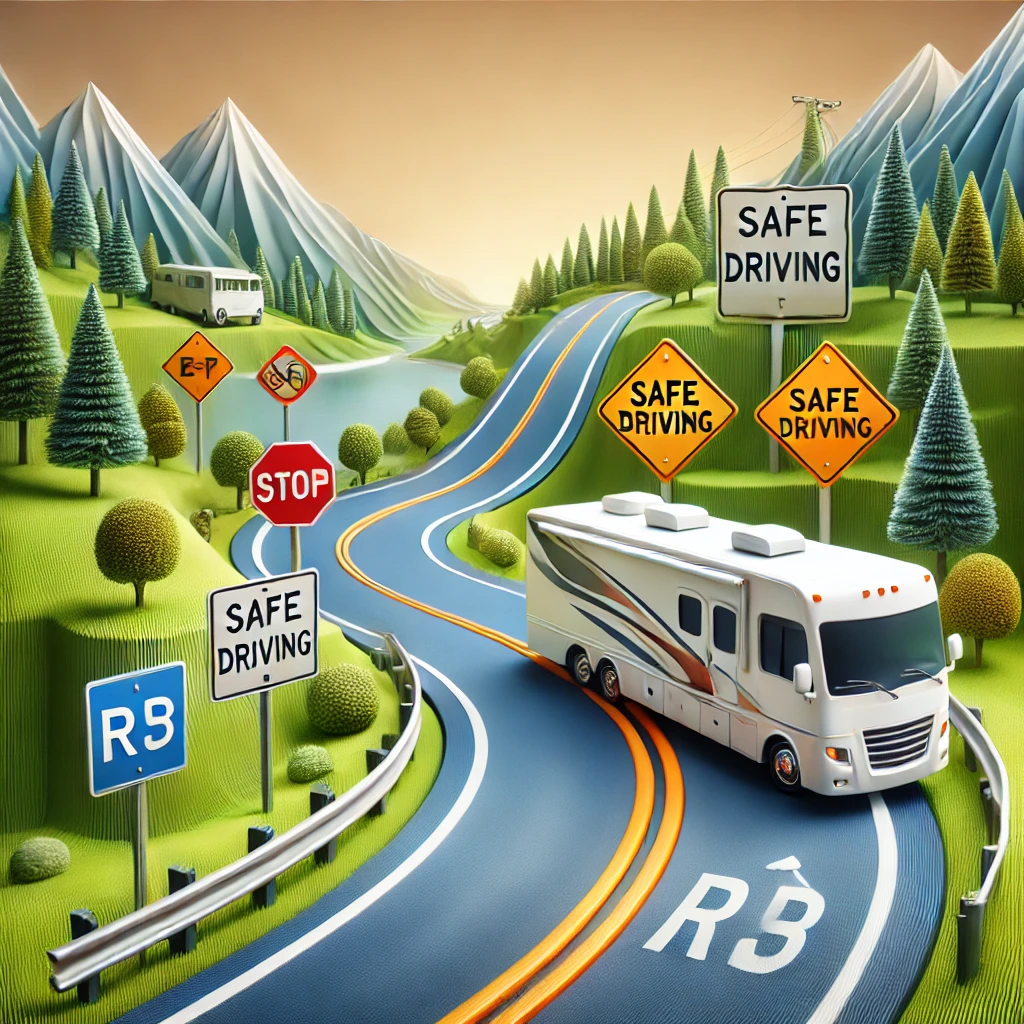
RV Travel: Enjoy the Road Without the Risks
Hitting the open road in an RV brings adventure, freedom, and unforgettable experiences. But with great journeys come great responsibilities—especially when it comes to safety. RVs are larger, heavier, and handle differently than standard vehicles, making them more prone to specific types of accidents.
The good news? Most RV accidents are preventable with the right precautions. Whether you’re a seasoned RVer or new to the lifestyle, knowing the risks and how to avoid them can keep your trip safe and stress-free.
1. Tire Blowouts
What Happens?
RVs carry a lot of weight, and if your tires aren’t properly maintained, they can overheat and burst—leading to dangerous situations on the highway.
How to Prevent It:
- Regularly check tire pressure and adjust to manufacturer recommendations.
- Inspect for cracks, bulges, or signs of wear before each trip.
- Avoid overloading your RV—distribute weight evenly.
- Replace tires every 5-7 years, even if they look fine.
2. Overhead Clearance Mishaps
What Happens?
Low bridges, drive-thrus, gas station overhangs—many RVers have misjudged clearance and ended up with a costly (and embarrassing) accident.
How to Prevent It:
- Know your RV’s exact height (including antennas and A/C units).
- Use an RV-specific GPS that warns of low clearances.
- Look for posted height restrictions before entering parking lots or tunnels.
3. Swaying & Rollovers
What Happens?
Strong winds, improper weight distribution, or sudden maneuvers can cause an RV to sway or even tip over.
How to Prevent It:
- Use sway bars and weight distribution hitches.
- Drive at moderate speeds, especially in windy conditions.
- Load heavier items low and toward the center of the RV.
- Keep both hands on the wheel and avoid overcorrections.
4. Backing-Up Collisions
What Happens?
Backing into poles, fences, or other vehicles is a frequent RV mishap, even for experienced drivers.
How to Prevent It:
- Have a spotter help guide you when reversing.
- Invest in a backup camera for better visibility.
- Take it slow and double-check blind spots before moving.
5. Brake Failures
What Happens?
RVs require longer stopping distances, and if your brakes are worn out or overheated, stopping quickly can become impossible.
How to Prevent It:
- Check brake pads and fluid levels regularly.
- Downshift instead of riding the brakes on long descents.
- Maintain a safe following distance to avoid sudden stops.
6. Propane Leaks & Fires
What Happens?
Leaking propane, unattended cooking, or faulty wiring can lead to dangerous fires inside an RV.
How to Prevent It:
- Turn off propane while driving or refueling.
- Regularly inspect propane lines and appliances for leaks.
- Keep a fire extinguisher on board and know how to use it.
- Never leave cooking unattended.
7. Awning & Roof Damage
What Happens?
RVers often forget to retract their awnings before driving or misjudge overhead branches, leading to costly roof repairs.
How to Prevent It:
- Always check and secure awnings before hitting the road.
- Watch for low-hanging branches in campgrounds.
- Inspect roof seals regularly to prevent leaks and cracks.
8. Jackknife Accidents (For Towed RVs)
What Happens?
Towing an RV requires skill, and sudden braking or sharp turns can cause the trailer to jackknife.
How to Prevent It:
- Use a brake controller to balance stopping power.
- Avoid sudden lane changes or hard braking.
- Maintain a safe speed and increase following distance.
9. Carbon Monoxide Poisoning
What Happens?
Running a generator or propane appliances in a closed space can cause deadly carbon monoxide buildup.
How to Prevent It:
- Install and regularly test carbon monoxide detectors.
- Never run a generator inside or near windows.
- Ensure proper ventilation when using propane stoves or heaters.
10. Water Damage & Flooding
What Happens?
Leaks from pipes, water tanks, or bad seals can lead to expensive repairs and mold growth.
How to Prevent It:
- Inspect seals around windows and doors regularly.
- Check for leaks in plumbing before every trip.
- Always drain tanks properly and avoid overfilling.
Final Thoughts: Drive Smart, Stay Safe
RV accidents can happen, but being proactive can prevent most of them. Regular maintenance, careful driving, and awareness of common risks will help you stay safe on the road.
By taking these precautions, you can focus on the best part of RVing—enjoying the journey!
Need More RV Safety Tips?
Whether you’re a full-time traveler or a weekend warrior, staying informed is the best way to protect yourself and your home on wheels. Safe travels!