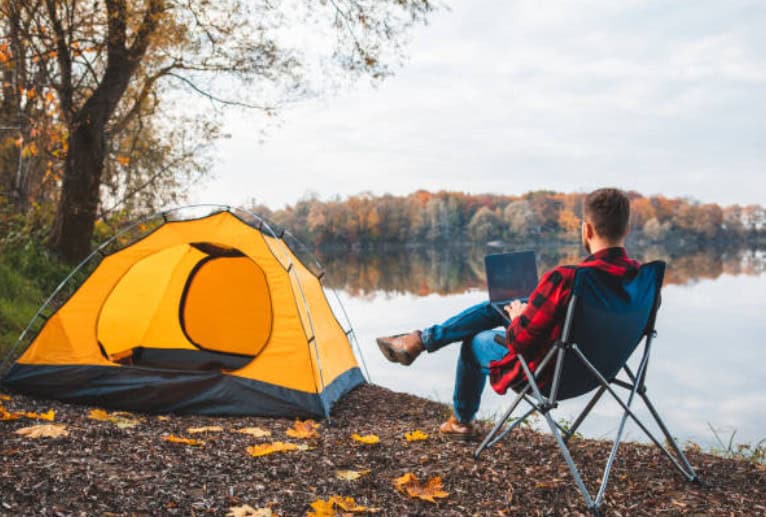
Staying connected while RVing has become more important than ever. Whether you’re working remotely, streaming your favorite shows, or staying in touch with family and friends, having reliable internet on the road is a game-changer. But with so many options out there, figuring out the best way to stay online can be overwhelming. Don’t worry—we’ve got you covered! Here are the top 5 ways to get internet in your RV, and number 3 might just surprise you.
1. Cellular Data Plans
Cellular data is one of the most popular ways RVers stay connected. With a reliable signal, you can access the internet almost anywhere your phone works. Here’s how it works:
- Hotspot Your Smartphone: Most smartphones allow you to create a personal hotspot, sharing your data plan with other devices like laptops and tablets. This option is simple and convenient but may drain your phone’s battery quickly.
- Mobile Hotspots: Dedicated mobile hotspot devices, like Verizon Jetpacks or AT&T Nighthawks, offer stronger signals and better connectivity for multiple devices. Many come with data plans specifically designed for heavy internet use.
Pro Tips:
- Look for unlimited data plans to avoid overage fees.
- Check coverage maps for your carrier to ensure strong service in your travel areas.
2. RV-Specific Wi-Fi Boosters and Extenders
Campground Wi-Fi can be hit or miss, but a Wi-Fi booster or extender can make a big difference. These devices strengthen weak signals and expand your range, allowing you to connect to networks farther away.
- How They Work: A Wi-Fi booster captures weak signals from a campground or public network and amplifies them for better use inside your RV.
- Benefits: They’re perfect for RV parks with shared networks, improving speeds and reliability.
Pro Tips:
- Invest in a high-quality booster for the best results.
- Be aware that even with a booster, overcrowded networks can still experience slow speeds.
3. Satellite Internet
Here’s the surprise: Satellite internet isn’t just for remote locations anymore. While it’s traditionally been considered expensive and slow, newer options like Starlink have revolutionized satellite internet for RVers.
- Starlink for RVs: This cutting-edge satellite service by SpaceX offers high-speed internet almost anywhere, even in remote areas where cell service doesn’t reach. It’s a game-changer for boondockers and full-time RVers.
- Portability: With a portable satellite dish, you can set up your connection wherever you park.
Pro Tips:
- Be prepared for an upfront investment, as satellite internet equipment can be pricey.
- Clear views of the sky are essential for a strong connection.
4. Public Wi-Fi Networks
Public Wi-Fi is a budget-friendly option, but it comes with limitations. Many RV parks, coffee shops, and libraries offer free internet, making it a convenient choice when available.
- Advantages: It’s free and requires no additional equipment.
- Drawbacks: Speeds can be slow, and public networks aren’t always secure.
Pro Tips:
- Use a Virtual Private Network (VPN) to protect your personal information on public Wi-Fi.
- Avoid entering sensitive data, like passwords or credit card numbers, while connected to public networks.
5. Cellular Signal Boosters
Cellular signal boosters, like those made by WeBoost, can significantly enhance your internet connectivity. These devices amplify weak cell signals, making them ideal for areas with spotty coverage.
- How They Work: A booster captures weak signals with an external antenna, amplifies them, and rebroadcasts them inside your RV.
- Benefits: Boosters work with most carriers and improve both voice and data signals.
Pro Tips:
- Mount the external antenna on your RV’s roof for the best reception.
- Boosters are especially useful for RVers who frequent remote or rural areas.
Which Option Is Best for You?
The best internet solution depends on your needs and travel habits. Here’s how to decide:
- Frequent Campground Stays: A Wi-Fi booster or public Wi-Fi may be sufficient.
- Remote Work: Cellular data plans and mobile hotspots provide reliable service.
- Off-Grid Adventures: Satellite internet and signal boosters ensure connectivity in remote areas.
- Budget-Friendly: Public Wi-Fi is free, and cellular hotspots can be cost-effective.
Combining Options for Maximum Connectivity
Many RVers find that combining multiple options provides the best results. For example:
- Use a mobile hotspot for reliable internet but have a Wi-Fi booster as a backup.
- Invest in Starlink for remote areas and supplement with campground Wi-Fi when available.
- Pair a cellular signal booster with your mobile data plan for improved speeds and coverage.
Tips for Managing Data and Staying Online
Regardless of your internet setup, managing your data usage is key to staying connected without breaking the bank. Here’s how:
- Monitor Data Usage: Many apps and devices let you track how much data you’re using.
- Download Content Offline: Pre-download movies, shows, and files when you have a strong connection.
- Use Data-Saving Features: Enable data-saving modes on streaming apps and browsers.
- Prioritize Tasks: Save bandwidth for essential activities like work or navigation.
Conclusion
Staying connected on the road doesn’t have to be complicated. From cellular data plans to satellite internet, there’s an option for every RVer. By understanding your needs and investing in the right tools, you can enjoy seamless internet wherever your adventures take you. And don’t forget—sometimes the best connections come from disconnecting and enjoying the great outdoors! But when you need to get online, these top 5 options have you covered. So, which one will you try first?