Balancing work and wanderlust used to be a dream. Now it’s a Zoom call under the pines—if the signal holds. For remote workers and digital nomads, choosing between great views and reliable Wi-Fi is the new campsite conundrum. So where do campers actually work best?
🌲 The Scenic Spot: Mood-Boosting, Not Always Zoom-Ready
Remote areas offer peace, beauty, and plenty of creative inspiration. But they also come with trade-offs:
-
Weak or no signal (especially deep in forests or canyons)
-
Limited charging options if you’re off-grid
-
Distractions—from sunrise hikes to curious raccoons
Best for: writers, photographers, solo planners, or those with flexible deadlines.
📶 The Signal Stronghold: Reliable, But Less Romantic
Urban-edge campgrounds, RV parks, or sites near cell towers may not be as picturesque, but:
-
You get consistent data speeds
-
Often have on-site Wi-Fi or nearby cafes
-
Are better suited for live meetings, uploads, or streaming
Best for: tech workers, remote team leads, or anyone needing regular video calls.
🧭 The Hybrid Hack: Get Both with a Bit of Planning
Here’s how savvy campers make it work:
-
Camp with coverage, explore without. Work in the morning, go scenic in the afternoon.
-
Use signal-mapping apps (like OpenSignal or Campendium’s filters) before booking.
-
Invest in mobile boosters or Starlink if you’re long-term remote.
Pro tip: some national parks have pockets of LTE if you know where to camp.
🛠 Tools of the Trade for Working Campers
-
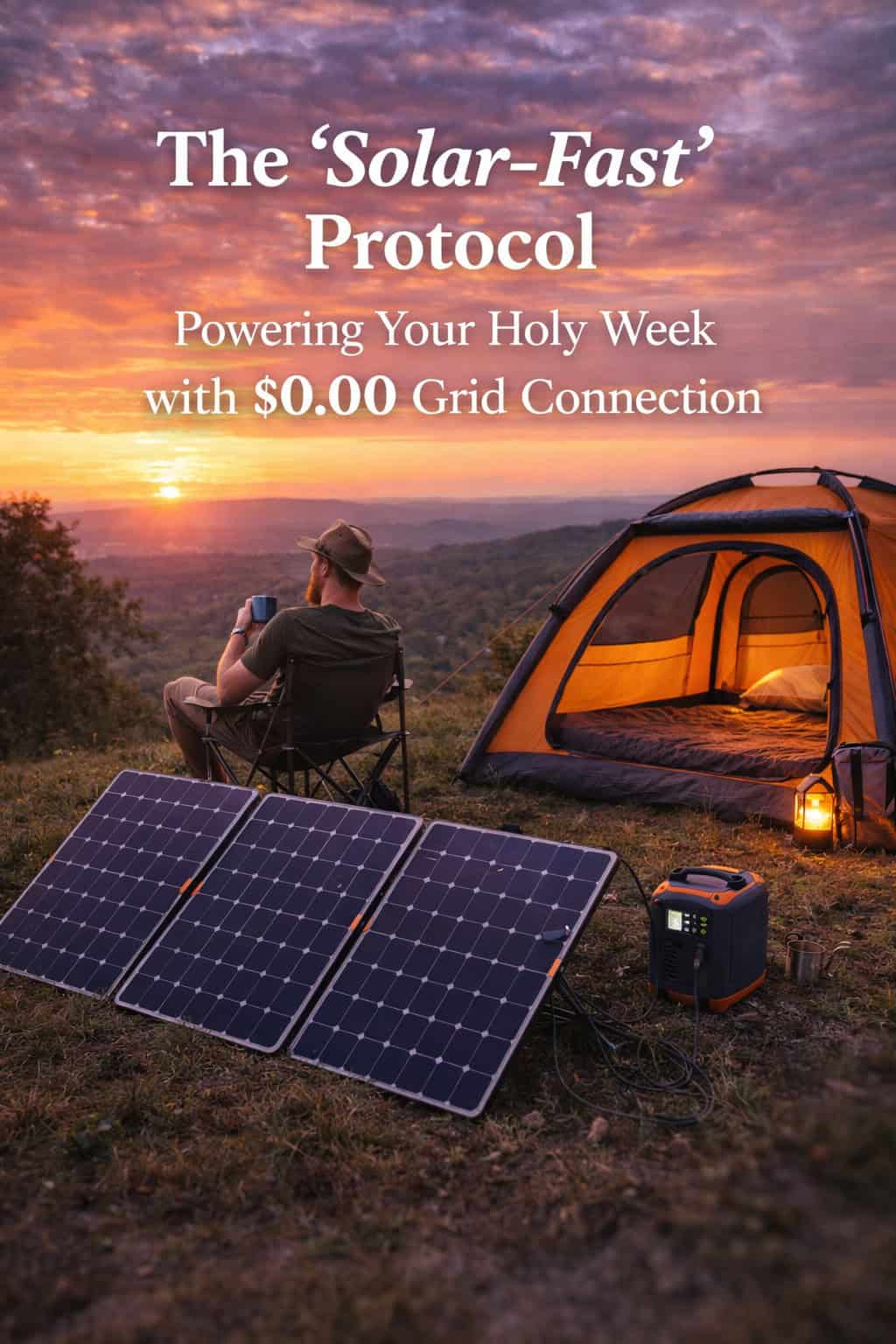
Portable power banks / solar panels
-
Laptop privacy screens (for sunny days)
-
Noise-canceling earbuds for campground chaos
-
VPN to protect data over public Wi-Fi
✅ Bottom Line: Choose What Fuels You
Whether you thrive in the stillness of a mountain view or the predictability of a full-signal RV park, the real win is knowing your work style. Camp where you can focus—and don’t forget to log off and enjoy the stars.