
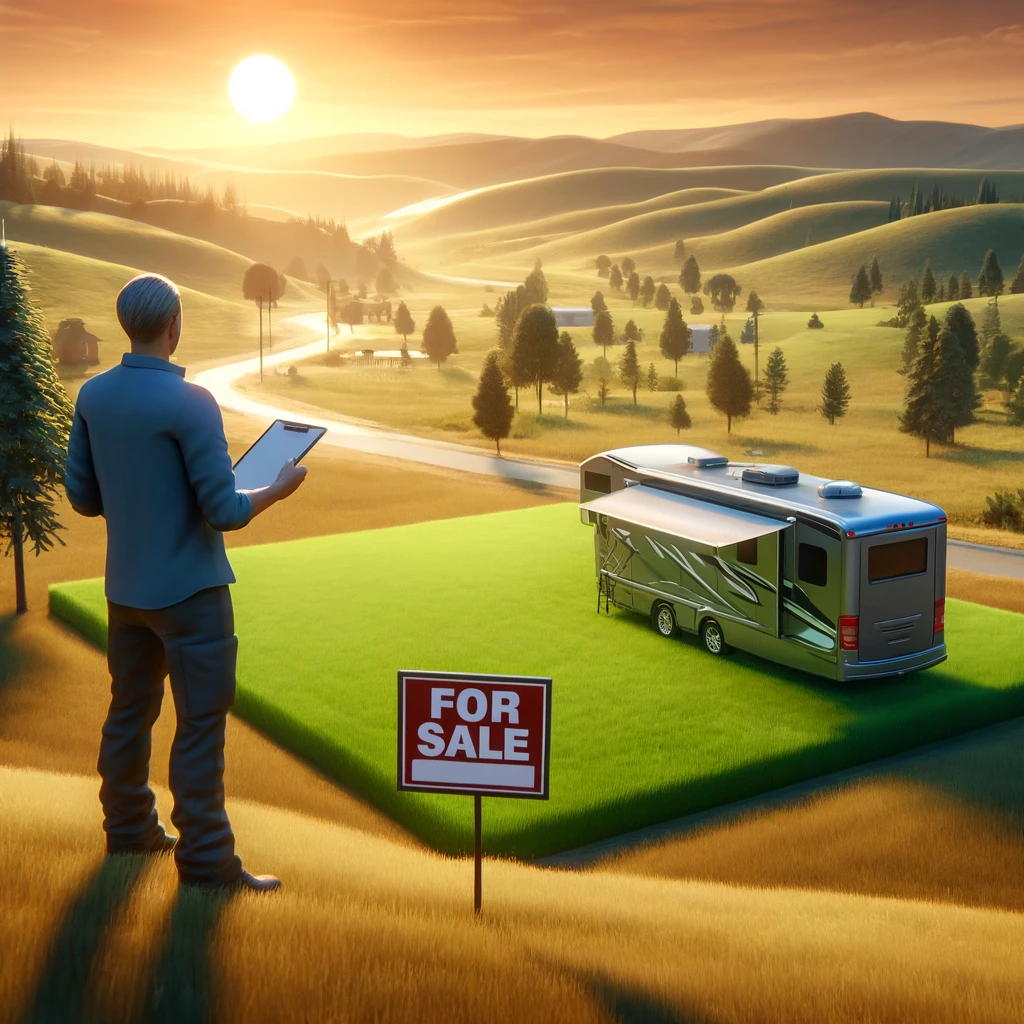
If you love the freedom of RV life, you’ve probably thought about buying land to park your rig permanently or seasonally. Whether it’s a private retreat, a full-time home base, or an investment property, owning land for your RV sounds like the ultimate setup.
But is it the right move for you? Before you jump into purchasing a piece of land, let’s break down the pros and cons of buying RV-friendly property.
Pros of Buying Land for Your RV
1. You’ll Always Have a Guaranteed Spot
One of the biggest frustrations of RVing is finding a campsite during peak season. With your own land, you won’t have to worry about making reservations or getting turned away from full campgrounds.
✔ No more fighting for campsites during holidays or busy weekends.
✔ Freedom to come and go whenever you want.
✔ Great for snowbirds who want a winter or summer home base.
🌟 Pro Tip: If you choose a popular vacation area, you could even rent out your RV site to other travelers when you’re not using it.
2. Long-Term Cost Savings
While there’s an upfront cost to buying land, it can be cheaper in the long run than constantly paying for campgrounds or RV parks.
✔ No more nightly campground fees.
✔ Save on monthly or yearly RV park rent if you’re full-time.
✔ Potential to sell the land later at a profit.
🌟 Pro Tip: If the land is in a growing real estate market, your investment could appreciate over time.
3. More Privacy & Space
RV parks and campgrounds can feel crowded, with neighbors parked just feet away. Owning land gives you total privacy and room to spread out.
✔ No noisy neighbors or crowded campgrounds.
✔ More room for extra vehicles, a garden, or outdoor storage.
✔ The ability to customize your space however you like.
🌟 Pro Tip: If you love boondocking but want more security and stability, private land is a great alternative.
4. Freedom to Develop the Property
Unlike an RV park, your land is yours to improve as you wish.
✔ Add full hookups (septic, water, electricity).
✔ Build a small cabin, garage, or storage shed.
✔ Turn it into an RV-friendly Airbnb or rental property.
🌟 Pro Tip: Some RVers use their land for tiny homes, guest RV parking, or even a workshop.
Cons of Buying Land for Your RV
1. Zoning & Legal Restrictions
Just because a plot of land looks perfect for an RV doesn’t mean you can legally live on it. Many areas have zoning laws that restrict full-time RV living.
❌ Some counties don’t allow long-term RV stays.
❌ You may need permits for adding septic, power, or water.
❌ HOA rules might ban RV parking entirely.
🌟 Pro Tip: Always check local zoning laws before buying land—especially in cities and suburban areas.
2. Upfront Costs Can Be High
Even though it saves money over time, buying land isn’t cheap.
❌ Land prices vary widely depending on location and amenities.
❌ You’ll need to pay property taxes every year.
❌ Adding water, power, and sewer hookups can be expensive.
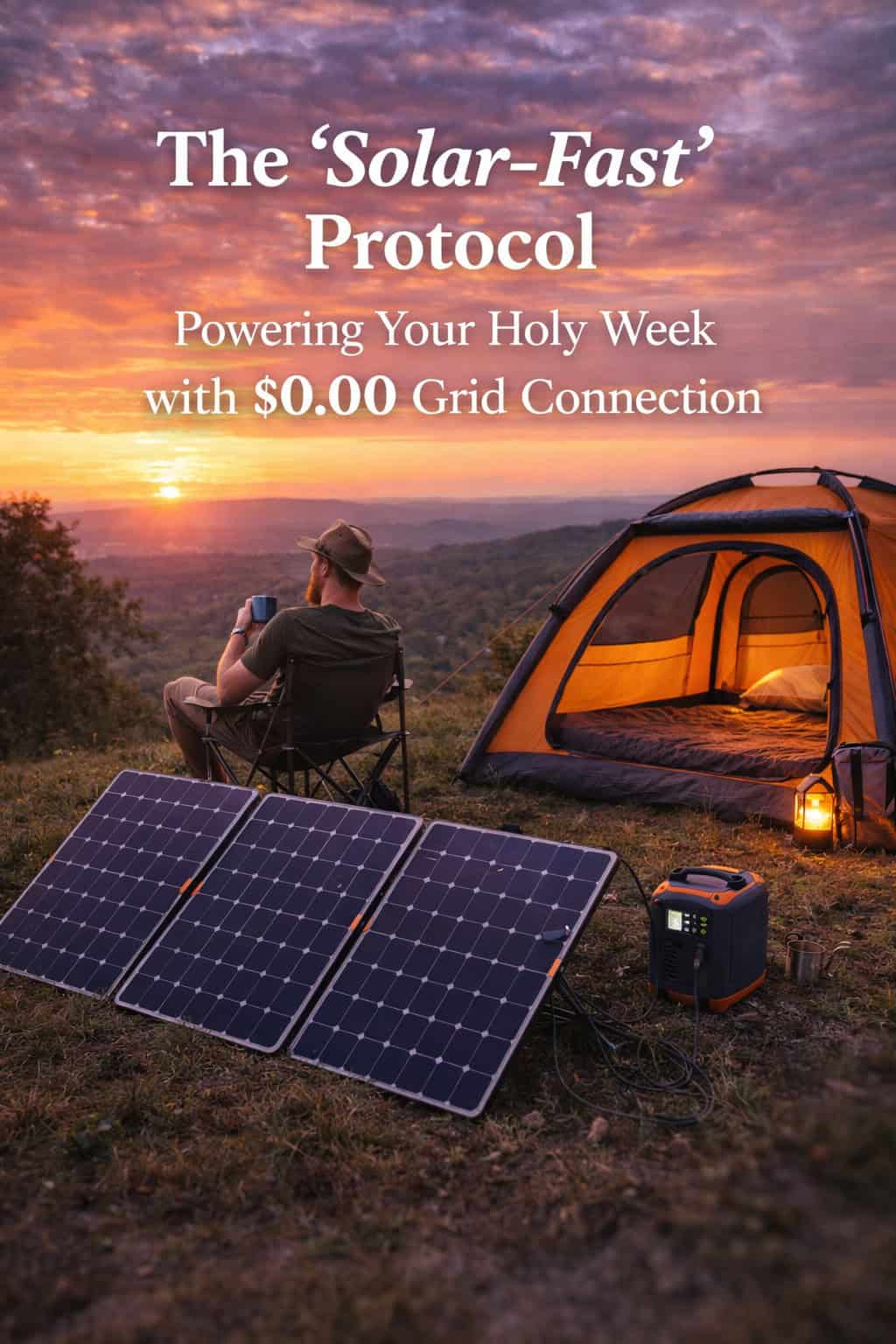
🌟 Pro Tip: If utilities aren’t available, consider off-grid solutions like solar panels, composting toilets, and water storage tanks.
3. Can You Actually Live There Year-Round?
Some areas are only suitable for seasonal RVing due to extreme weather or accessibility.
❌ Desert land can be too hot in summer.
❌ Mountain land may be inaccessible in winter.
❌ Remote locations may lack nearby services (grocery, medical, gas).
🌟 Pro Tip: If you’re full-timing, choose land near a town or with year-round accessibility.
4. You’re Responsible for Maintenance
Unlike a campground or RV park, there’s no staff to handle maintenance—it’s all on you.
❌ You’ll have to clear roads after storms or floods.
❌ Weed control, septic maintenance, and security are your responsibility.
❌ If you’re gone for months, who watches the land?
🌟 Pro Tip: If you only visit seasonally, consider hiring a local caretaker or installing security cameras.
How to Decide If Buying RV Land Is Right for You
Buying Land Might Be a Good Idea If:
✔ You want a permanent home base for your RV.
✔ You prefer privacy over campgrounds.
✔ You’re looking for long-term cost savings.
✔ You plan to develop the land with utilities or extra features.
You Might Want to Skip It If:
❌ You travel constantly and don’t stay in one place for long.
❌ You don’t want the hassle of zoning laws and property maintenance.
❌ You prefer the social aspect of RV parks and campgrounds.
❌ You’re on a tight budget and don’t want to deal with upfront costs.
Final Thoughts: Is Buying RV Land Worth It?
Owning your own RV-friendly land can be a game-changer—it gives you privacy, stability, and a guaranteed place to stay. But it’s not for everyone. If you love the flexibility of travel and don’t want to worry about land upkeep, it might be better to stick with campgrounds, boondocking, or long-term RV parks.
🚐 Would you buy land for your RV? Or do you prefer the freedom of always being on the move? Share your thoughts in the comments!