

Maintaining your RV’s roof is crucial for preventing leaks and ensuring your vehicle remains in top condition. One product that often comes up in discussions about RV roof repairs is Flex Seal, a popular sealant. But can you really use Flex Seal on your RV roof? In this article, we’ll explore whether Flex Seal is a suitable option for addressing RV roof issues and provide you with essential information to help you make an informed decision.
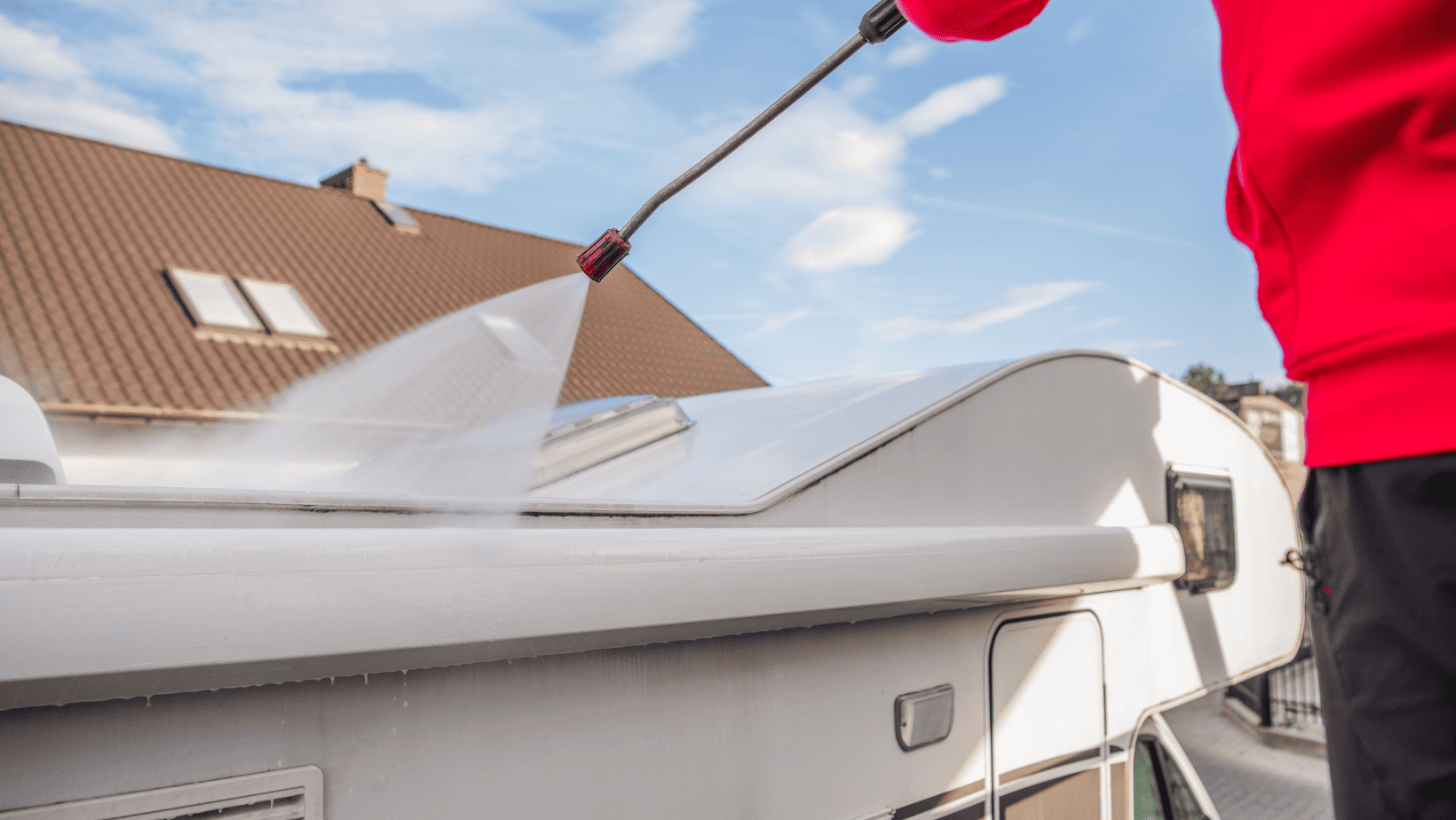
1. Check Your RV Roof Material:
Before considering the use of Flex Seal, it’s essential to know what type of roof material your RV has. RVs typically have three primary roof types: rubber (EPDM), fiberglass, or aluminum. Flex Seal may be more suitable for some materials than others.
2. Flex Seal for Rubber Roofs (EPDM):
For RVs with rubber (EPDM) roofs, Flex Seal can be a viable option for minor repairs. It can help seal small cracks and holes and provide a temporary solution to prevent water leaks.
3. Flex Seal for Fiberglass and Aluminum Roofs:
Flex Seal may not be the best choice for fiberglass or aluminum RV roofs. These materials require specific sealants designed for their unique properties. Using Flex Seal on fiberglass or aluminum roofs could result in ineffective repairs or even damage.
4. Limitations of Flex Seal:
It’s important to understand that Flex Seal is not a long-term solution for extensive roof damage. It’s best suited for small repairs and temporary fixes to get you through your travels until proper repairs can be made.
5. Proper Preparation:
If you decide to use Flex Seal on your RV’s rubber roof, proper preparation is key. Clean the area thoroughly, removing any dirt, debris, or loose material before applying Flex Seal. This ensures better adhesion and a more effective seal.
6. Follow Application Instructions:
Carefully follow the manufacturer’s instructions on how to apply Flex Seal. This may involve multiple coats and proper drying times between applications.
7. Consider Professional Repairs:
For more significant roof damage or if you have a fiberglass or aluminum roof, it’s advisable to consult a professional RV repair technician. They can assess the extent of the damage and recommend appropriate repair methods and materials.
8. Roof Maintenance:
Preventive maintenance is crucial for extending the life of your RV roof. Regularly inspect your roof for signs of wear, tear, or damage, and address any issues promptly to prevent costly repairs down the road.
9. Explore Roof Coatings:
Instead of using Flex Seal, you might consider roof coatings specifically designed for RVs. These coatings are available for different roof materials and provide a longer-lasting solution to protect your roof from the elements.
10. RV Roof Replacement:
In some cases, if your RV’s roof is extensively damaged or nearing the end of its lifespan, it may be more cost-effective in the long run to consider a roof replacement. This ensures the integrity of your RV’s structure and prevents water damage.
11. Seek Professional Advice:
If you’re unsure about the best course of action for your RV roof repairs, it’s wise to consult with a professional RV repair specialist. They can assess your specific situation and provide expert guidance on the most suitable repair or maintenance approach.
Conclusion
While Flex Seal can be a temporary solution for minor repairs on rubber (EPDM) RV roofs, it may not be suitable for all roof materials or extensive damage. Proper assessment of your roof’s condition, following manufacturer guidelines, and considering long-term solutions are essential steps in ensuring the longevity and integrity of your RV’s roof. When it comes to RV roof repairs, safety and effectiveness should be your top priorities.