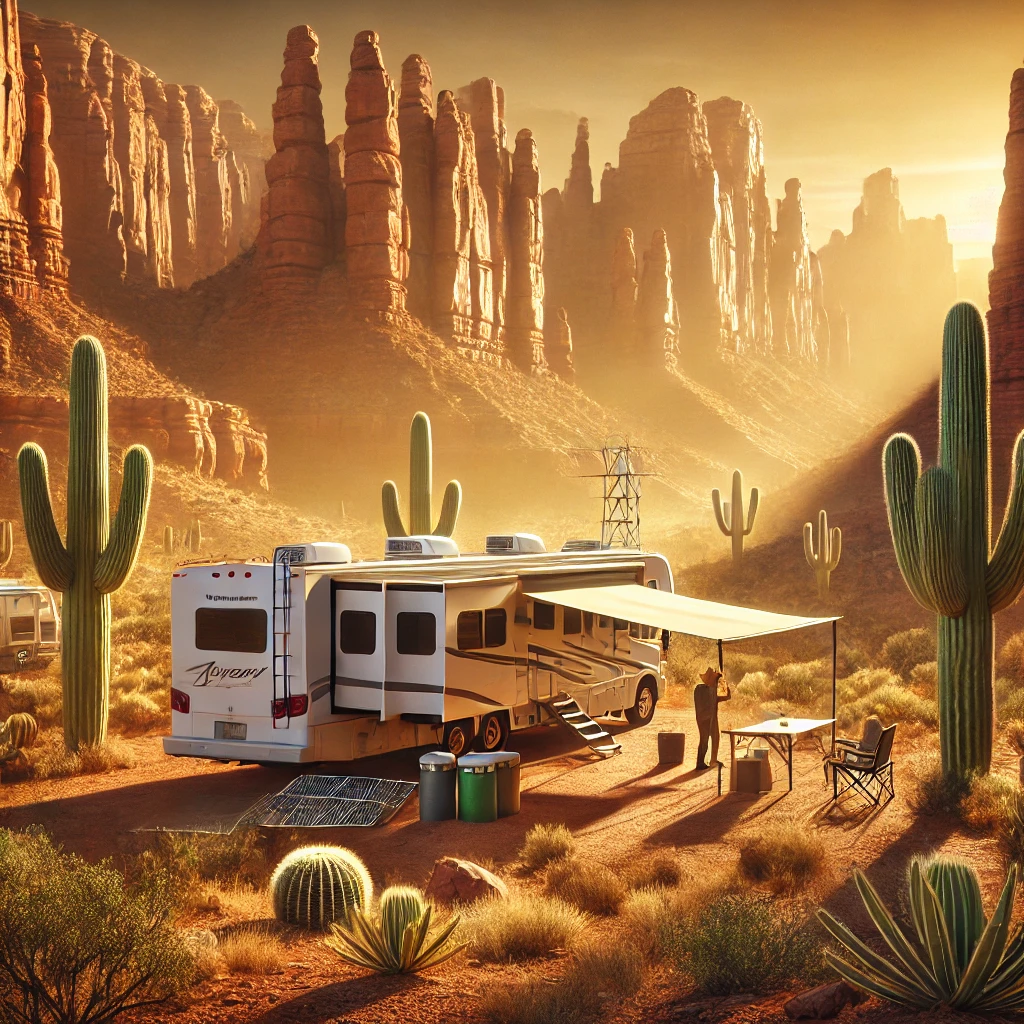
RVing in the desert is an experience like no other. The vast open landscapes, dramatic rock formations, and breathtaking sunsets make Arizona one of the best places to take your RV for an off-grid adventure. But desert camping isn’t just about enjoying the views—it also comes with unique challenges like extreme heat, limited water, and rugged terrain.
Whether you’re boondocking in the Sonoran Desert, exploring Sedona’s red rocks, or setting up camp near Saguaro National Park, here’s everything you need to stay safe, comfortable, and make the most of your desert RV adventure.
1. Choosing the Best Desert Campsites
Arizona offers a mix of paid campgrounds, state parks, and free boondocking spots perfect for RVers looking to escape into nature.
Top RV-Friendly Desert Destinations in Arizona:
🏜️ Organ Pipe Cactus National Monument – Stunning landscapes and peaceful boondocking near the Mexican border.
🌅 Sedona & Coconino National Forest – Epic red rock views with plenty of dispersed camping spots.
🌵 Saguaro National Park – Iconic towering cacti and desert wildlife.
🛶 Lake Havasu & Colorado River – A rare desert oasis perfect for waterfront camping.
⛰️ Quartzsite – The ultimate boondocking capital, home to the famous RV show.
🌟 Pro Tip: Many of Arizona’s best boondocking sites are on Bureau of Land Management (BLM) land, which allows free dispersed camping for up to 14 days.
2. How to Stay Cool in the Desert Heat
Daytime temperatures in Arizona’s desert can soar past 100°F, making heat management essential for RV life.
✔ Park in the shade – If possible, find natural shade from cliffs or trees.
✔ Use reflective sunshades – Keep heat out by placing reflective covers on windows.
✔ Ventilation is key – Open windows at night and use roof vents and fans.
✔ Travel in cooler months – The best time for desert RVing is October–April when temperatures are milder.
✔ Consider a small evaporative cooler – These work great in dry climates like Arizona.
🌟 Pro Tip: If you must use AC off-grid, you’ll need a generator or a robust solar setup with lithium batteries.
3. Water Conservation & Staying Hydrated
Water is scarce in the desert, and you’ll need to plan ahead to avoid running dry.
✔ Carry extra water – Bring at least 1 gallon per person per day for drinking, plus extra for cooking and washing.
✔ Use a portable water bladder – Extra storage tanks help extend your boondocking stay.
✔ Take military-style showers – Get wet, soap up, and rinse quickly.
✔ Recycle grey water – Use filtered dishwater for rinsing outdoor gear.
✔ Electrolytes help! – Drinking only water can deplete minerals, so add electrolyte tablets to stay balanced.
🌟 Pro Tip: Some truck stops and campgrounds allow RVers to fill fresh water tanks for a small fee.
4. Essential Gear for Desert RVing
The desert is beautiful, but it’s also harsh. Here’s what you need to camp safely and comfortably.
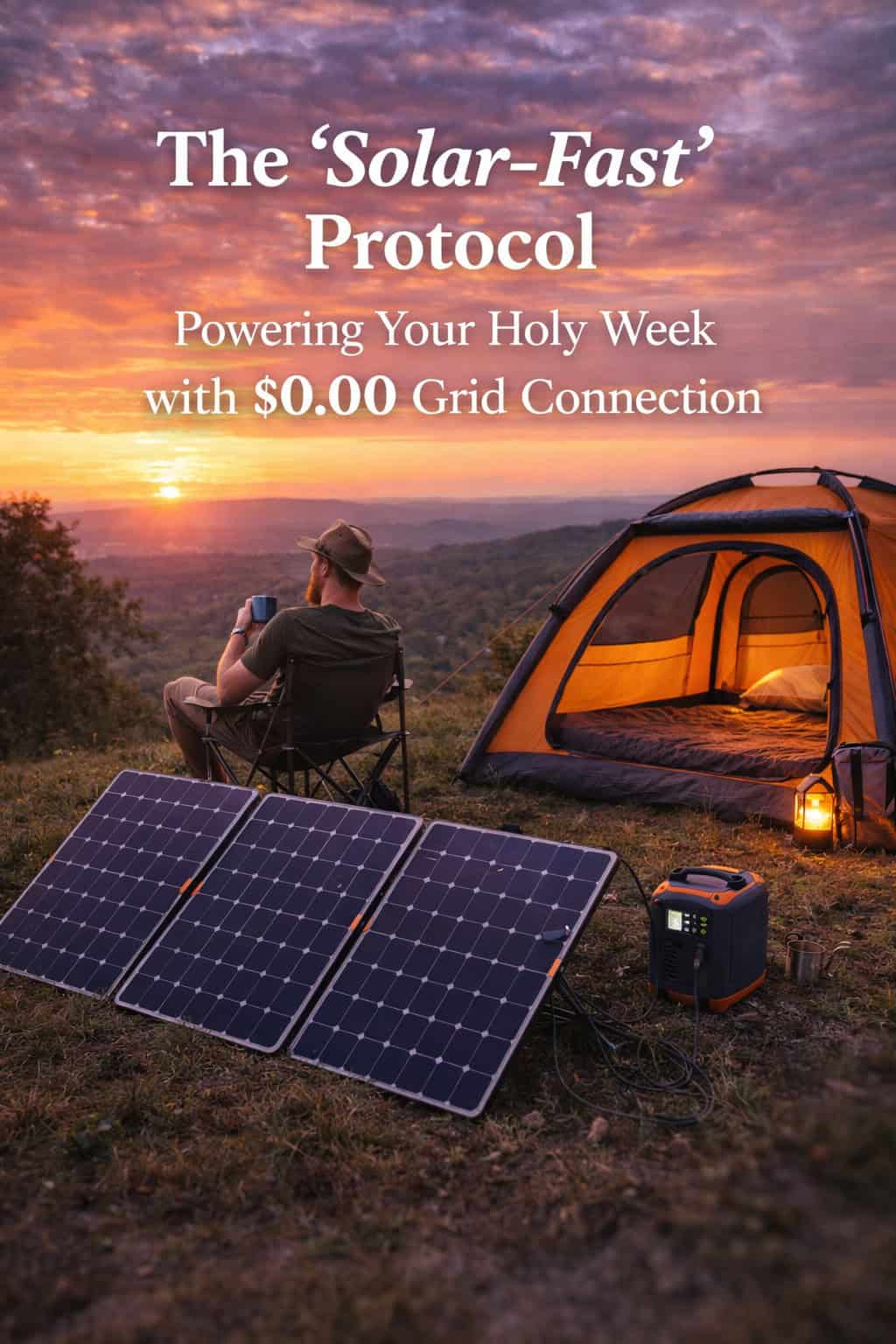
✔ Solar panels & battery bank – The desert sun is perfect for off-grid power.
✔ Tire pressure gauge & compressor – Desert roads can be rocky and rough on tires.
✔ Hiking boots & sun protection – The sun is intense, and desert terrain is rugged.
✔ Extra fuel – Gas stations can be far apart, so keep your tank topped off.
✔ Satellite communication device – Many desert areas have no cell service.
🌟 Pro Tip: Avoid driving in soft sand—carry traction boards or a tow rope in case you get stuck.
5. Dealing with Wildlife & Desert Critters
The Arizona desert is home to rattlesnakes, scorpions, and coyotes—but with some precautions, they won’t be a problem.
✔ Always check your shoes & bedding – Scorpions like dark, cozy spots.
✔ Keep food secured – Coyotes and other wildlife can be sneaky.
✔ Make noise when hiking – Snakes usually avoid humans but may not hear you coming.
✔ Use yellow or red lights at night – White light attracts bugs, while colored lights keep them away.
🌟 Pro Tip: If you’re worried about scorpions, use a UV flashlight at night—they glow under blacklight!
6. Safety Tips for Desert RVing
The desert can be unforgiving, so always plan ahead.
✔ Know your route & check the weather – Avoid flash flood areas during storms.
✔ Stock up on supplies – Some areas are far from grocery stores & gas stations.
✔ Let someone know your location – Many desert boondocking spots have no signal.
✔ Have a backup plan – Know where the nearest town, hospital, or ranger station is.
🌟 Pro Tip: Tire blowouts are common in the heat—always check your tire pressure before driving.
Final Thoughts: The Desert Is One of the Best Places to RV—If You’re Prepared
Arizona offers some of the most stunning RV camping spots in the U.S., but desert camping requires preparation. With the right gear, water management, and safety precautions, you can enjoy the beauty of the Southwest while staying safe and comfortable.
🚐 Have you RV’d in the Arizona desert? Share your best tips & favorite campsites in the comments!