Travel Smart, Travel Safe
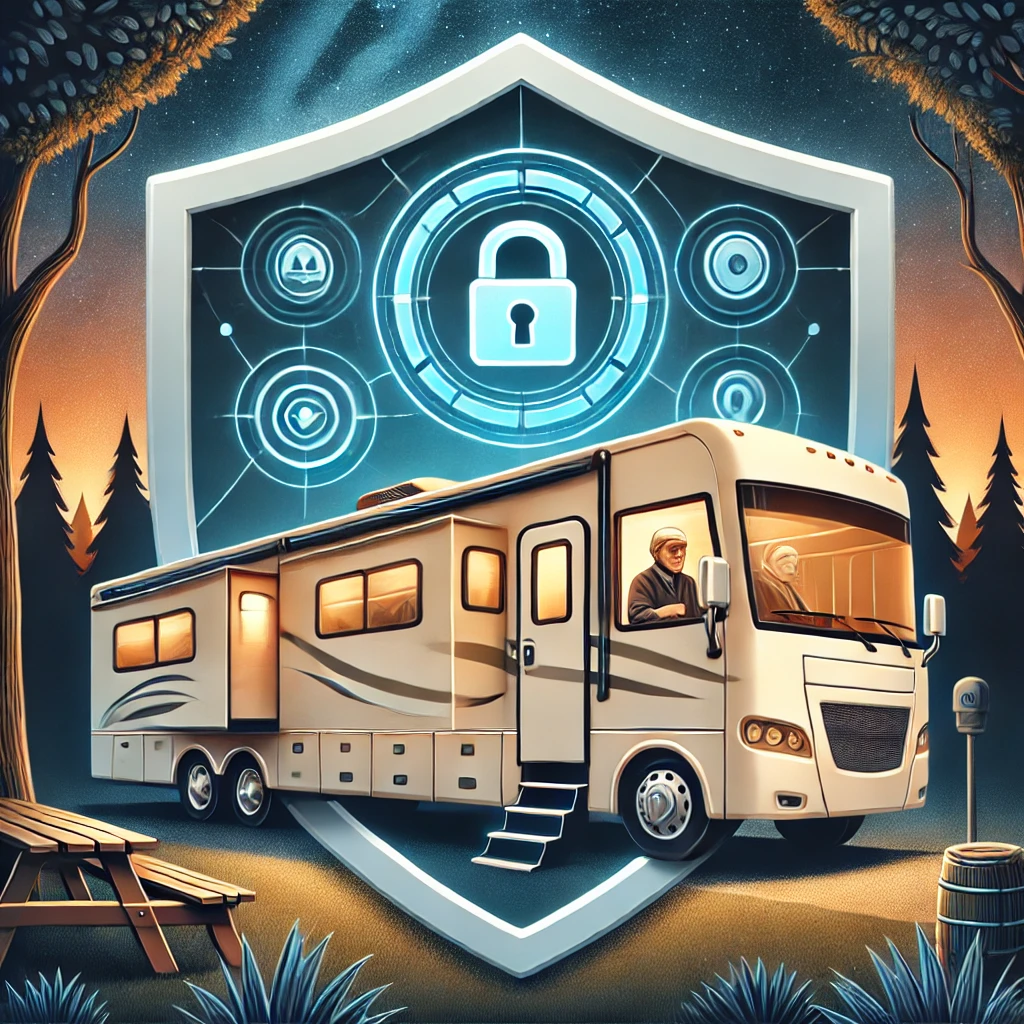
For many seniors, RVing offers a perfect blend of adventure and comfort, allowing you to explore at your own pace. But ensuring a safe and stress-free journey is just as important as planning the route. From personal security to vehicle maintenance, taking the right precautions can help you travel with confidence.
Whether you’re a seasoned RVer or just getting started, these essential safety tips will keep you prepared for the road ahead.
1. Plan Your Route in Advance
📍 Why It’s Important: Knowing where you’re headed reduces stress and ensures you’re never caught off guard.
Tips:
✔️ Use an RV-friendly GPS – Avoid low-clearance bridges and tricky roads.
✔️ Check weather conditions – Sudden storms can make driving difficult.
✔️ Have a backup plan – Identify nearby rest stops and RV parks in case of unexpected delays.
🚀 Pro Tip: Download offline maps (Google Maps) in case you lose cell service.
2. Choose Safe & Well-Lit Campgrounds
📍 Why It’s Important: Not all campgrounds are created equal—some may have security risks.
Tips:
✔️ Stay in reputable campgrounds – Look for places with good reviews and gated access.
✔️ Avoid isolated areas – Park near other RVers or close to campground offices.
✔️ Check lighting – Well-lit areas deter potential intruders.
🚀 Pro Tip: Carry a battery-powered motion sensor light for added security at night.
3. Secure Your RV Before Stepping Away
📍 Why It’s Important: An RV is like a home on wheels—keep it protected like you would a house.
Tips:
✔️ Lock all doors and windows – Even at rest stops.
✔️ Use a steering wheel lock – A great deterrent for theft.
✔️ Invest in a security camera – Wireless RV cameras allow you to monitor surroundings remotely.
🚀 Pro Tip: If leaving for the day, close blinds or curtains so people can’t see inside.
4. Stay Connected on the Road
📍 Why It’s Important: In remote areas, cell service can be unreliable—staying connected is crucial for safety.
Tips:
✔️ Use a cell signal booster – Improves reception in weak coverage areas.
✔️ Share your location – Use Google Maps or Life360 with family.
✔️ Carry a CB radio or satellite communicator – Works even when there’s no cell signal.
🚀 Pro Tip: Download emergency contacts & medical info onto your phone for quick access.
5. Practice Safe Driving Habits
📍 Why It’s Important: RVs handle differently than cars—braking distances are longer, and turns are wider.
Tips:
✔️ Drive during daylight – Night driving increases risks.
✔️ Take breaks every 2-3 hours – Prevents fatigue.
✔️ Slow down in bad weather – Rain and wind affect RV stability.
🚀 Pro Tip: Consider an RV driving course if you’re new to handling a larger vehicle.
6. Protect Yourself from Scams & Strangers
📍 Why It’s Important: RVers can be targeted by scams or suspicious individuals.
Tips:
✔️ Be wary of overly friendly strangers – Some scammers pose as fellow travelers.
✔️ Avoid sharing too much personal info – Don’t broadcast your travel plans to new acquaintances.
✔️ Verify emails & calls from campgrounds – Always book through official websites.
🚀 Pro Tip: Never open the door to strangers—talk through a window or security camera first.
7. Prepare for Emergencies
📍 Why It’s Important: Breakdowns or medical issues can happen unexpectedly—be ready.
Must-Have Items:
✔️ First aid kit – Include medications & allergy treatments.
✔️ Roadside emergency kit – Jumper cables, tire repair, reflective triangles.
✔️ Fire extinguisher – Have one inside and outside the RV.
🚀 Pro Tip: Keep a list of emergency contacts & nearest hospitals in every state you visit.
8. Protect Against Carbon Monoxide & Propane Leaks
📍 Why It’s Important: RVs use propane for cooking and heating, which can pose a silent danger.
Tips:
✔️ Install a carbon monoxide detector – Test it monthly.
✔️ Check propane connections – Look for leaks before every trip.
✔️ Never sleep with a propane heater on – Use electric options instead.
🚀 Pro Tip: If you smell rotten eggs, turn off propane and get out immediately.
9. Keep Your RV Insurance & Documents Handy
📍 Why It’s Important: If you ever need roadside assistance, having the right documents saves time.
Keep These on Hand:
✔️ Insurance & registration
✔️ Roadside assistance contact
✔️ Medical info (allergies, prescriptions, emergency contacts)
🚀 Pro Tip: Take photos of important documents and store them on your phone.
10. Know When to Ask for Help
📍 Why It’s Important: RVing is a community—there’s no shame in asking for assistance when needed.
When to Seek Help:
✔️ Vehicle trouble? Call Good Sam Roadside Assistance or AAA RV coverage.
✔️ Feeling unsafe at a campground? Notify the office or park ranger.
✔️ Medical emergency? Don’t wait—seek urgent care or emergency services.
🚀 Pro Tip: Many RV forums & Facebook groups have experienced travelers willing to offer real-time advice.
Final Thoughts: Safe Travels, Peace of Mind
RVing is a wonderful way to explore the country, but safety should always be a top priority. By staying prepared, securing your RV, and practicing smart travel habits, you can enjoy the road with confidence and peace of mind.