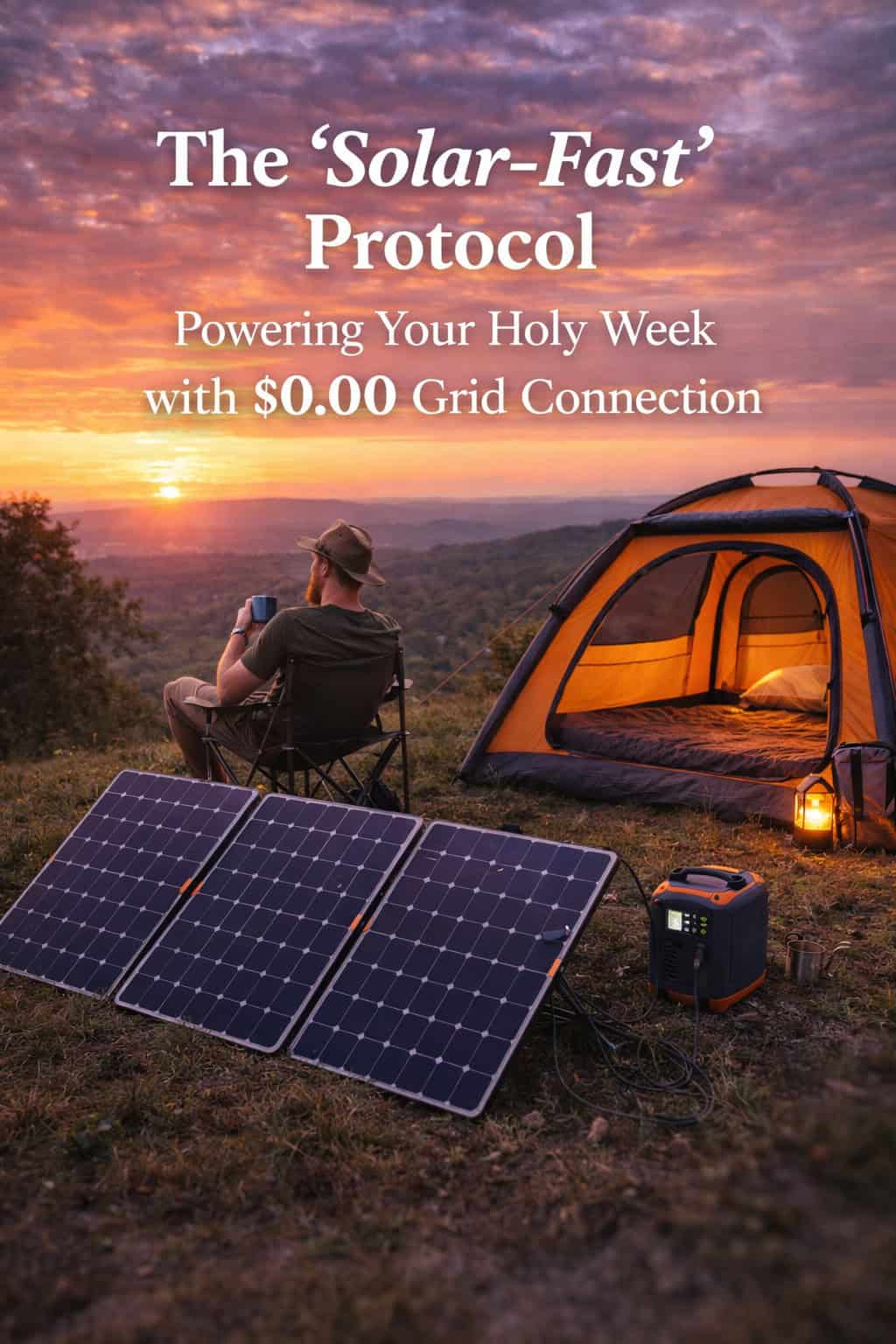

(Because flipping the wrong switch shouldn’t feel like launching a space shuttle.)
You’ve arrived at your site.
You’re hot, tired, and ready to chill.
And then you walk over to the power pedestal—aka the electrical mystery box with three plugs, two switches, and zero labels.
It’s like defusing a bomb… except your coffee maker’s on the line.
If you’ve ever stood staring at the campground power post like it owes you an explanation, you’re not alone.
Let’s break it down.
⚡ What Even Is This Thing?
The campground power pedestal is your hookup hub.
It’s where you plug in for electricity, and it usually includes:
-
30-amp outlet (round, three-prong — your likely match if you’re mid-sized)
-
50-amp outlet (big, chunky, four-prong — for larger RVs)
-
Standard 15/20-amp outlet (like a household plug — not for your A/C)
You might not need all of them—but you do need to know which one’s yours.
💡 Tip: Your RV’s manual, sticker near the plug-in cord, or that one friend with electrical anxiety can tell you what amp you’re supposed to use.
🔌 Step-By-Step: How to Hook Up Without Blowing Stuff Up
Let’s keep this simple and drama-free. Here’s what most campers (eventually) learn the hard way:
🥇 1. Turn Off the Breaker First
Yes, the little switch on the pedestal. Flip it off before plugging in.
Why? Because nobody likes a live spark show.
🔌 2. Plug In Your Surge Protector First
Do you need one? Not always. Should you use one anyway? Yes.
Because campground power isn’t always… consistent. Protect your rig.
🔌 3. Plug Your Cord Into the Surge Protector
No weird angles. No loose fits. Make it solid.
🟢 4. Now Flip the Breaker On
You should hear your system engage (not scream).
Check that power is flowing inside. Lights on? Microwave blinking? You’re good.
🔁 5. Triple Check You’re Plugged Into the Correct Amp
Just because it fits doesn’t mean it’s right.
Don’t force a 30-amp plug into a 50-amp outlet with an adapter and blind hope. You’ll regret it.
🔍 Wait… Where’s the Fuse Box Again?
You’ll probably find it:
-
Inside your rig, usually low on a wall panel
-
Behind a cabinet, or
-
Next to your converter (the humming metal box you forget exists)
This is where you’ll go when the microwave dies, half the outlets stop working, or your lights flicker like a horror movie.
🧠 Bonus Wisdom: Learn how to replace a fuse before it’s dark, storming, and your flashlight’s in the truck.
🚩 What Can Go Wrong? (Spoiler: A Lot)
-
Plugging in without a surge protector: Fried appliances
-
Wrong amp plug: Tripped breakers, angry neighbors, regret
-
Breaker left on during plug-in: Sparks, drama, maybe smoke
-
Using sketchy extension cords: Melting, fire, actual fire
Always inspect your cord and post before plugging in.
If it looks toasted, melted, or smells like a high school chemistry lab—report it. Don’t risk it.
💬 Final Thoughts
Hooking up your RV shouldn’t feel like solving a Rubik’s Cube blindfolded.
But until campground posts come with emoji labels and LED tutorials, a little prep goes a long way.
Stick to the golden rules:
-
Breaker off
-
Surge protector on
-
Correct plug
-
Breaker back on
-
Fuse box location = not a mystery
And you’ll be lighting up your rig like a campsite boss in no time.
🐟 Want to see what the power post looks like before you arrive?
Use CampgroundViews to:
-
Preview the post type
-
Check where it’s positioned (front left, rear right, weird tree corner…)
-
Know if your cord actually reaches without circus moves
🔗 No guesswork. No blown fuses. Just smart setup.
CampgroundViews helps you power up with confidence—before the cord ever leaves the bin.