
RV travel has been a favorite way to explore the outdoors for decades, but a new trend has gained popularity: overlanding. While both overlanding and traditional RVing offer freedom, adventure, and exploration, they are very different travel styles with their own unique challenges and rewards.
So, what exactly sets them apart? Let’s break down the differences, pros and cons, and which one might be the best fit for you.
What is Overlanding?
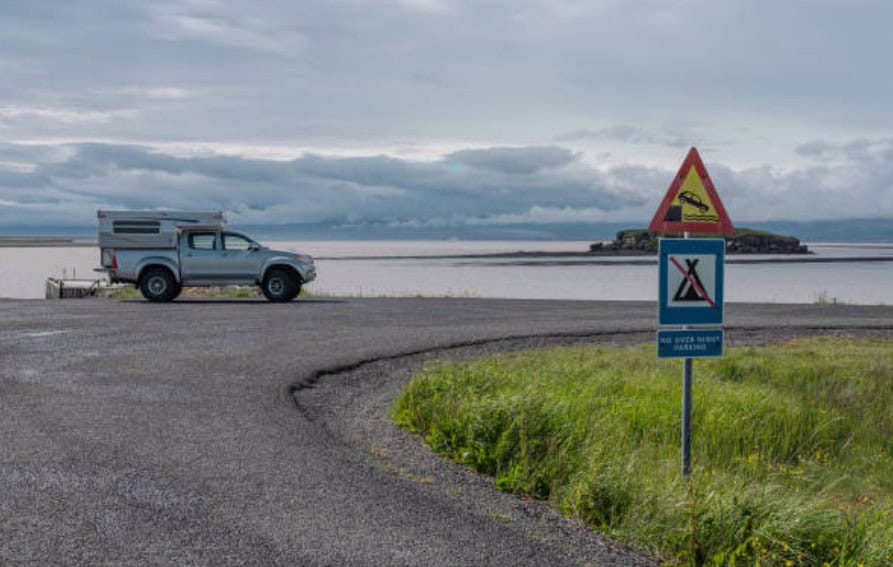
Overlanding is all about self-sufficiency and off-grid exploration. It involves traveling long distances off-road, typically in rugged 4×4 vehicles that can handle rough terrain. Overlanders rely on their own resources for water, food, and shelter, often camping in remote areas where there are no established campgrounds.
Key Features of Overlanding:
✔ Self-Sustained Travel – Overlanders carry all necessary supplies, including food, water, and recovery gear.
✔ Off-Road Driving – Uses 4×4 trucks, SUVs, or modified vans that can handle dirt roads, rocky paths, and river crossings.
✔ Remote Camping – Overlanders set up camp in wilderness areas, not traditional RV parks.
✔ Adventure-Focused – The journey itself is the goal, rather than just reaching a destination.
✔ Minimalist Lifestyle – Overlanders pack light and rely on portable power, water filtration, and solar energy.
Common Overlanding Vehicles:
🚙 4×4 trucks with rooftop tents
🚐 Off-road camper vans
🏕️ Fully outfitted Jeeps or SUVs
🚛 Expedition-style vehicles with built-in camping setups
What is Traditional RVing?
Traditional RVing focuses on comfort, convenience, and established campgrounds. RVers travel in motorhomes, trailers, or camper vans and typically park in RV parks, national parks, or campgrounds with full amenities.
Key Features of Traditional RVing:
✔ Comfort & Convenience – RVs are equipped with full kitchens, bathrooms, and entertainment systems.
✔ Paved Roads & Campgrounds – RVs travel mostly on highways and maintained roads, staying in designated campgrounds.
✔ Hookups for Water, Power & Sewer – Most RVers enjoy access to electricity, Wi-Fi, and dump stations.
✔ More Storage & Living Space – RVs provide more room for gear, food, and personal belongings.
✔ Better for Families & Long-Term Stays – Traditional RVs are ideal for families, retirees, and full-time travelers.
Common Traditional RVs:
🚐 Class A Motorhomes (large, bus-like RVs)
🚍 Class C RVs (mid-sized with a bunk over the cab)
🚛 Travel Trailers (towable campers with full amenities)
🚐 Camper Vans (small but comfortable, with kitchens and beds)
Key Differences: Overlanding vs. Traditional RVing
| Feature | Overlanding | Traditional RVing |
|---|---|---|
| Road Conditions | Off-road, dirt trails | Paved highways, smooth roads |
| Vehicle Type | 4×4 trucks, off-road vans | Large RVs, motorhomes, trailers |
| Camping Style | Remote, wild camping | RV parks, campgrounds |
| Power & Water | Solar, generators, water filtration | Hookups at campgrounds |
| Comfort Level | Minimalist, basic amenities | Full kitchen, bathroom, and beds |
| Trip Focus | Adventure, exploration | Relaxation, scenic travel |
| Cost | Lower upfront cost, higher maintenance | Higher upfront cost, lower maintenance |
| Best for | Solo travelers, adventure seekers | Families, retirees, full-time RVers |
Pros & Cons of Overlanding
✅ Pros:
✔ More Freedom – No need to book campsites, just go wherever the road takes you.
✔ Adventure-Driven – Perfect for people who love off-roading, hiking, and exploring remote areas.
✔ Lower Upfront Cost – Overlanding vehicles can be cheaper than large RVs, depending on modifications.
✔ No Crowds – Overlanders avoid busy campgrounds and enjoy the solitude of nature.
❌ Cons:
🚧 Rough Conditions – Traveling on unpaved roads can be bumpy and unpredictable.
🏕️ Limited Comfort – Overland setups lack full bathrooms, kitchens, and large sleeping areas.
💧 Water & Power Challenges – No campground hookups mean you must be self-sufficient.
🚘 Higher Vehicle Wear & Tear – Off-road travel puts more strain on tires, suspension, and mechanical parts.
Pros & Cons of Traditional RVing
✅ Pros:
✔ More Comfortable – RVs have beds, air conditioning, full kitchens, and bathrooms.
✔ Easy Access to Amenities – Campgrounds provide hookups, Wi-Fi, and laundry facilities.
✔ Great for Families & Groups – More space means better accommodation for multiple travelers.
✔ Easier to Plan – Campgrounds and RV parks provide safe, predictable places to stay.
❌ Cons:
💰 Higher Cost – RVs are more expensive upfront and require maintenance like a home.
🏕️ Less Freedom – Campgrounds often require reservations, limiting spontaneity.
🚦 Limited Off-Road Capability – RVs are designed for paved roads only and can’t handle rough terrain.
🚐 Parking & Maneuverability Issues – Larger RVs can’t fit everywhere, making travel more restricted.
Which One is Right for You?
💪 Choose Overlanding If:
✔ You love adventure, off-road driving, and exploring remote locations.
✔ You prefer self-sufficiency and don’t mind basic camping setups.
✔ You want a lower-cost travel option that doesn’t require staying at campgrounds.
🏡 Choose Traditional RVing If:
✔ You want comfort, convenience, and amenities like full bathrooms and kitchens.
✔ You plan to travel with family or for long-term stays.
✔ You prefer organized campgrounds, easy accessibility, and paved roads.
Both styles of travel offer amazing experiences—it all depends on your lifestyle, budget, and how much adventure you want.