

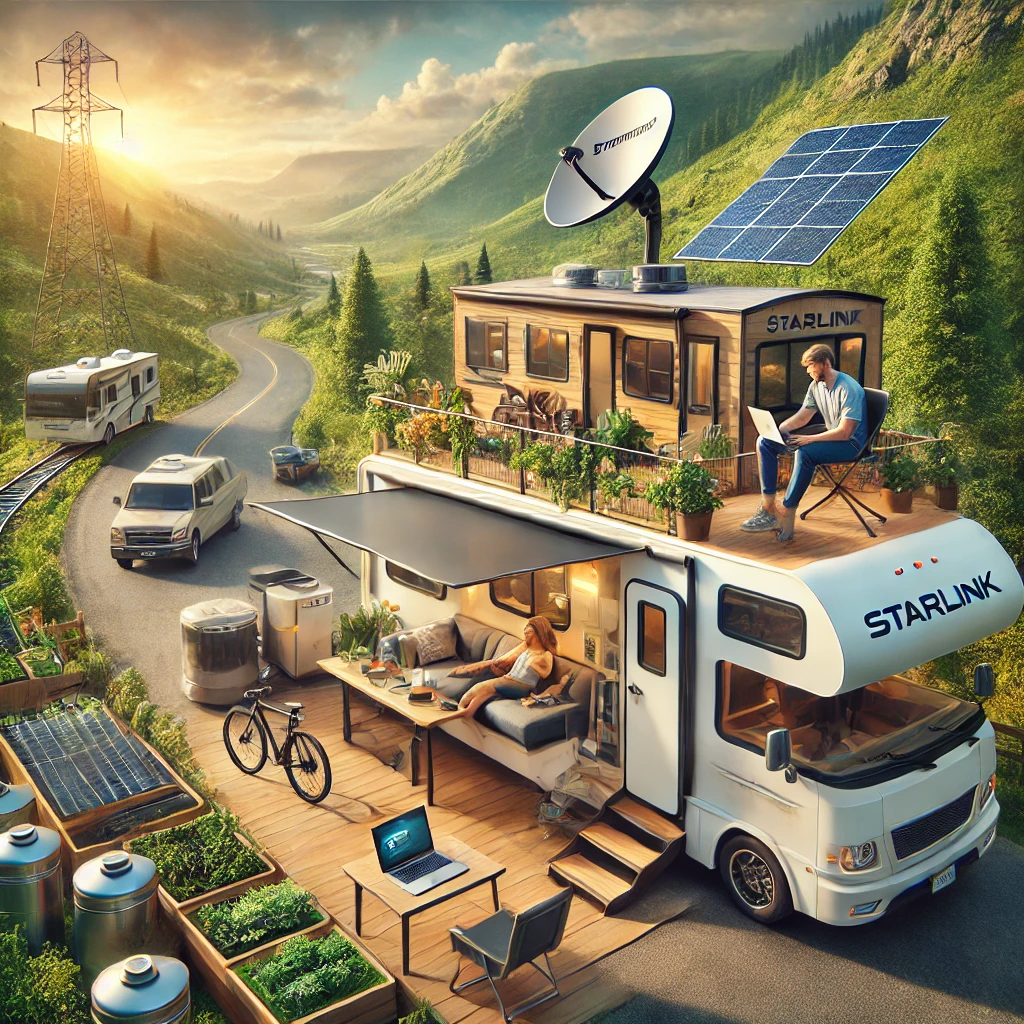
The Next Generation of RV Travelers Is Redefining the Road
For decades, RVing has been associated with retirees and long-time road warriors. But times are changing—fast. Millennials and Gen Z are shaking up the RV world, bringing fresh ideas, new travel habits, and a digital-first mindset. Whether it’s remote work fueling nomadic lifestyles, a focus on sustainability, or the desire for unique, Instagram-worthy adventures, the younger generations are shaping the industry in ways no one saw coming.
So, what exactly is changing? And how is the RV market adapting?
1. The Rise of Digital Nomad RVing
Millennials and Gen Z aren’t just vacationing in RVs—they’re working from them. The explosion of remote jobs and freelancing has made full-time RV life more accessible than ever. This has led to a demand for:
- Stronger Wi-Fi solutions – Starlink, mobile hotspots, and campground connectivity are top priorities.
- Mobile office setups – Manufacturers are incorporating dedicated workspaces into RV floorplans.
- Off-grid capabilities – Lithium batteries, solar panels, and power-efficient appliances allow for remote working from anywhere.
2. Smaller, Lighter, More Fuel-Efficient Rigs
Unlike previous generations, younger RVers aren’t always opting for massive motorhomes. Instead, they’re leaning toward:
- Compact camper vans and teardrop trailers that are easier to maneuver.
- Lighter travel trailers that can be towed with an SUV rather than a heavy-duty truck.
- Fuel-efficient and electric RVs as sustainability becomes a priority.
3. Subscription-Based & Rental Models
Not every Millennial or Gen Z traveler wants to own an RV. Many are embracing:
- RV-sharing platforms similar to Airbnb for motorhomes.
- Short-term rentals for weekend getaways instead of long-term ownership.
- Subscription-based RV services, which allow members to pick up a vehicle from different locations without the responsibility of maintenance.
4. Smart RV Technology & Automation
Younger generations expect their RVs to be just as tech-savvy as their homes. This means:
- App-controlled RV features for lighting, temperature, and security.
- Self-leveling systems that take the guesswork out of setup.
- AI-powered trip planning tools to map out routes, find campgrounds, and avoid traffic.
5. Sustainability & Eco-Friendly Travel
Eco-conscious travel is at the heart of Gen Z and Millennials’ RVing choices. This is pushing the industry toward:
- Solar-powered RVs that reduce reliance on generators.
- Eco-friendly composting toilets and water-saving systems.
- Sustainable building materials in RV interiors, including bamboo and recycled materials.
6. Experience-Driven Travel Over Traditional Camping
Younger travelers aren’t always looking for the typical RV park experience. Instead, they want:
- Boondocking and off-grid adventures – camping in remote locations instead of packed campgrounds.
- Glamping-style RVs with high-end finishes and aesthetics.
- Unique stays, such as vineyard camping, beachfront RV resorts, and national park adventures.
What This Means for the Future of RVing
With Millennials and Gen Z at the wheel, the RV industry is shifting rapidly. Manufacturers are designing RVs with digital nomads in mind, technology is becoming a standard feature, and sustainability is no longer an afterthought—it’s an expectation. The days of RVing being a “retirement hobby” are fading fast, replaced by a new wave of young adventurers who see the open road as their playground.
One thing is certain: The future of RV travel is looking a lot different than it did a decade ago, and it’s only getting started.