
There’s nothing more frustrating than losing power in your RV when you’re out enjoying the great outdoors or relaxing at a campsite. But don’t worry—it’s not the end of the road! With a few quick fixes and some preparation, you can handle a power outage like a pro. Here’s a simple guide to help you troubleshoot and resolve your RV’s power issues, along with tips to keep the lights on in the future.
1. Stay Calm and Diagnose the Problem
Before jumping into solutions, take a moment to assess the situation. Knowing what caused the power outage is key to fixing it quickly.
- Check Your Battery Levels: A drained house battery is one of the most common culprits. Look at your RV’s control panel to see if the battery charge is low.
- Inspect the Shore Power Connection: If you’re hooked up at a campground, check the power pedestal. Is it delivering electricity?
- Test Your Generator: If you’re relying on a generator, make sure it’s working properly and has enough fuel.
- Check Circuit Breakers and Fuses: A tripped breaker or blown fuse could be causing the problem. Inspect your RV’s electrical panel for any issues.
Pro Tip: Keep a multimeter in your RV to test power levels and pinpoint the issue quickly.
2. Use a Backup Power Source
If your primary power source isn’t working, it’s time to tap into your backup options.
- Portable Power Banks: These compact devices can recharge phones, tablets, and even small appliances in an emergency.
- Inverter Generators: A quiet inverter generator can power your essential systems until you resolve the issue. Just be sure to run it in a well-ventilated area.
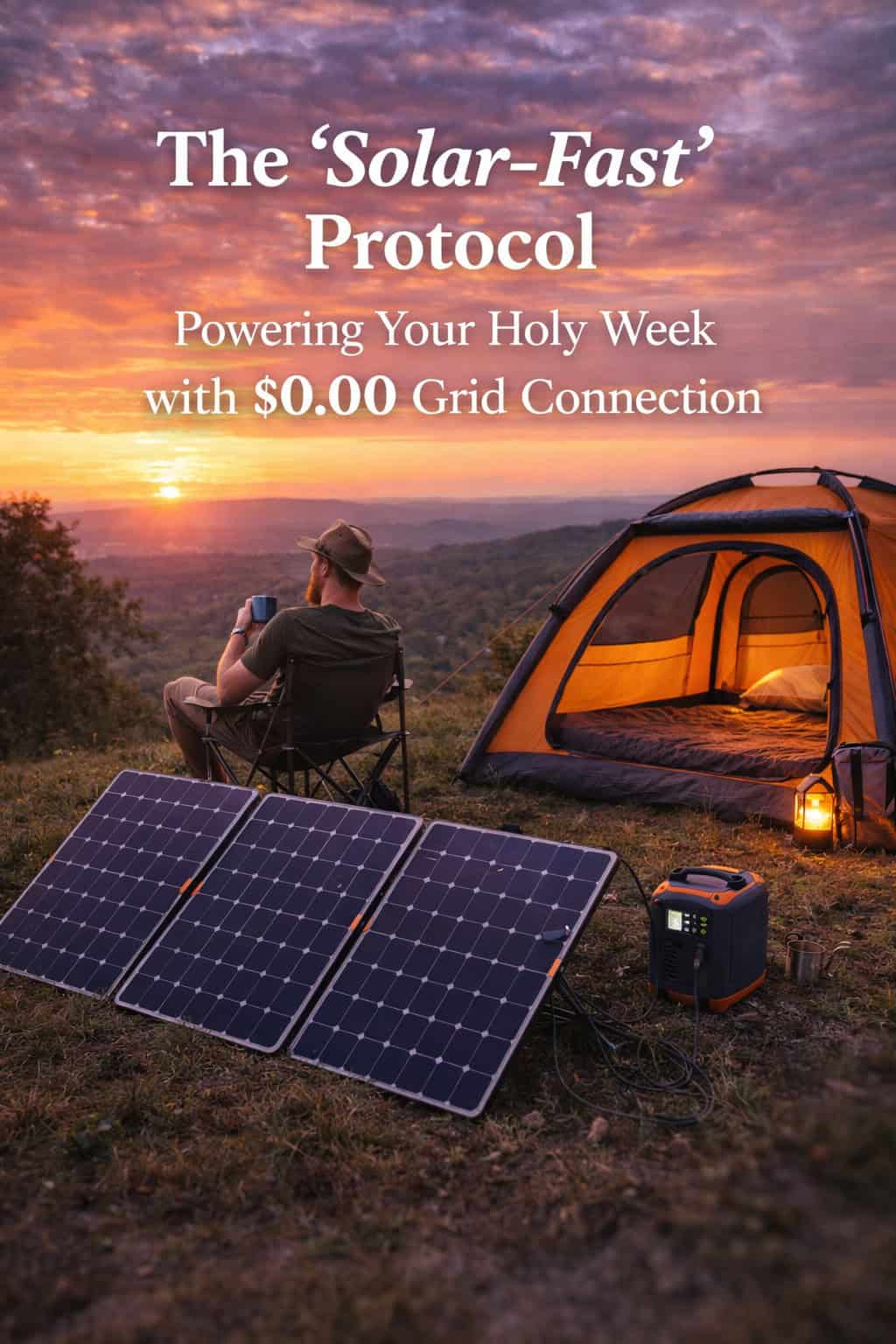
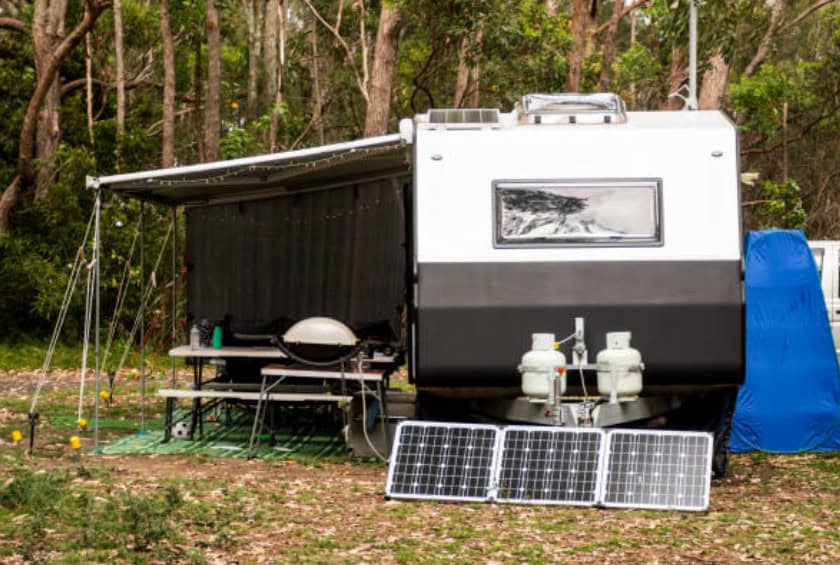
- Solar Panels: If you have a solar setup, ensure the panels are exposed to direct sunlight and connected properly. Portable solar chargers can also help in a pinch.
Fun Idea: Use this as an opportunity to break out the LED lanterns or fairy lights for a cozy, off-grid vibe!
3. Conserve the Power You Have Left
If your RV still has some power, make it last by using only what’s absolutely necessary.
- Turn Off Non-Essential Appliances: Switch off lights, fans, and electronics you’re not using.
- Prioritize Critical Systems: Keep your fridge and water pump running if possible.
- Use Manual Options: Open windows for ventilation instead of using the air conditioner, and use propane for cooking if your stove allows it.
Pro Tip: Invest in energy-efficient LED bulbs to reduce power consumption during emergencies.
4. Troubleshoot Your RV’s Electrical System
If you’re comfortable working with your RV’s electrical system, try these troubleshooting steps:
- Inspect the Power Pedestal: Use a voltmeter to check if the campground’s power pedestal is delivering electricity. If it’s not working, notify campground staff.
- Check Your Power Cord: Look for damage, loose connections, or frayed wires. Replace the cord if needed.
- Reset the Breakers: Flip all the circuit breakers off and then back on to reset the system.
- Replace Fuses: If a fuse looks blown, replace it with one of the same size and rating.
Pro Tip: Label your RV’s electrical panel to make it easier to identify which breaker controls each system.
5. Jumpstart Your Batteries
If your house batteries are completely dead, you may be able to jumpstart them.
- Use Your Tow Vehicle: Connect your RV’s batteries to your tow vehicle’s battery using jumper cables. Let the vehicle run for a while to recharge the batteries.
- Portable Jump Starters: Keep a portable jump starter in your RV for quick and easy battery boosts.
Pro Tip: If you have lithium batteries, check the manufacturer’s guidelines before jumpstarting, as improper handling can damage them.
6. Seek Help or Recharge at Nearby Facilities
If you’re unable to resolve the power issue on your own, look for nearby resources:
- Campground Facilities: Many campgrounds have maintenance staff who can help diagnose and fix power issues.
- Auto Repair Shops: If you suspect a deeper electrical problem, head to a nearby RV repair shop.
- Charging Stations: If you need to recharge batteries or devices, find a rest area, gas station, or RV park with power hookups.
Pro Tip: Always carry a list of RV repair services in the areas you plan to travel for emergencies.
7. Prepare for Future Power Issues
The best way to handle power outages is to be prepared before they happen.
- Upgrade Your Batteries: Lithium batteries last longer and recharge faster than traditional lead-acid batteries.
- Invest in Solar Power: A solar system can keep your batteries charged even when you’re off the grid.
- Monitor Power Usage: Use a battery monitoring system to track your power levels and avoid surprises.
- Carry Spare Equipment: Keep extra fuses, jumper cables, and a backup power source in your RV at all times.
Pro Tip: Make a habit of recharging your batteries fully before each trip and regularly testing your backup systems.
8. Embrace the Moment
If you’ve done everything you can and still don’t have power, make the most of the situation.
- Go Old School: Light some candles (battery-operated ones for safety), enjoy a board game, or share stories around the campfire.
- Reconnect with Nature: Take a hike, watch the stars, or listen to the sounds of the wilderness.
- Cook Outdoors: Use a propane stove or grill to whip up a meal—it might turn into a fun memory!
Pro Tip: Sometimes, an unexpected power outage can be a blessing in disguise, giving you a chance to unplug and enjoy the simplicity of camping life.
Final Thoughts
Running out of power in your RV doesn’t have to be a disaster. By staying calm, diagnosing the issue, and using backup solutions, you can turn a potentially stressful situation into just another part of your adventure. And with a little preparation, you’ll be ready to handle any power hiccup the road throws your way. Safe travels, and may your batteries stay charged!