Fishing and RVing go hand in hand, offering outdoor enthusiasts the opportunity to explore new fishing spots while enjoying the comforts of home on the road. Whether you’re a seasoned angler or a novice looking to cast your first line, there are essential things you need to know to make the most of your fishing adventures while RVing. In this article, we’ll guide you through the key aspects of fishing in an RV.
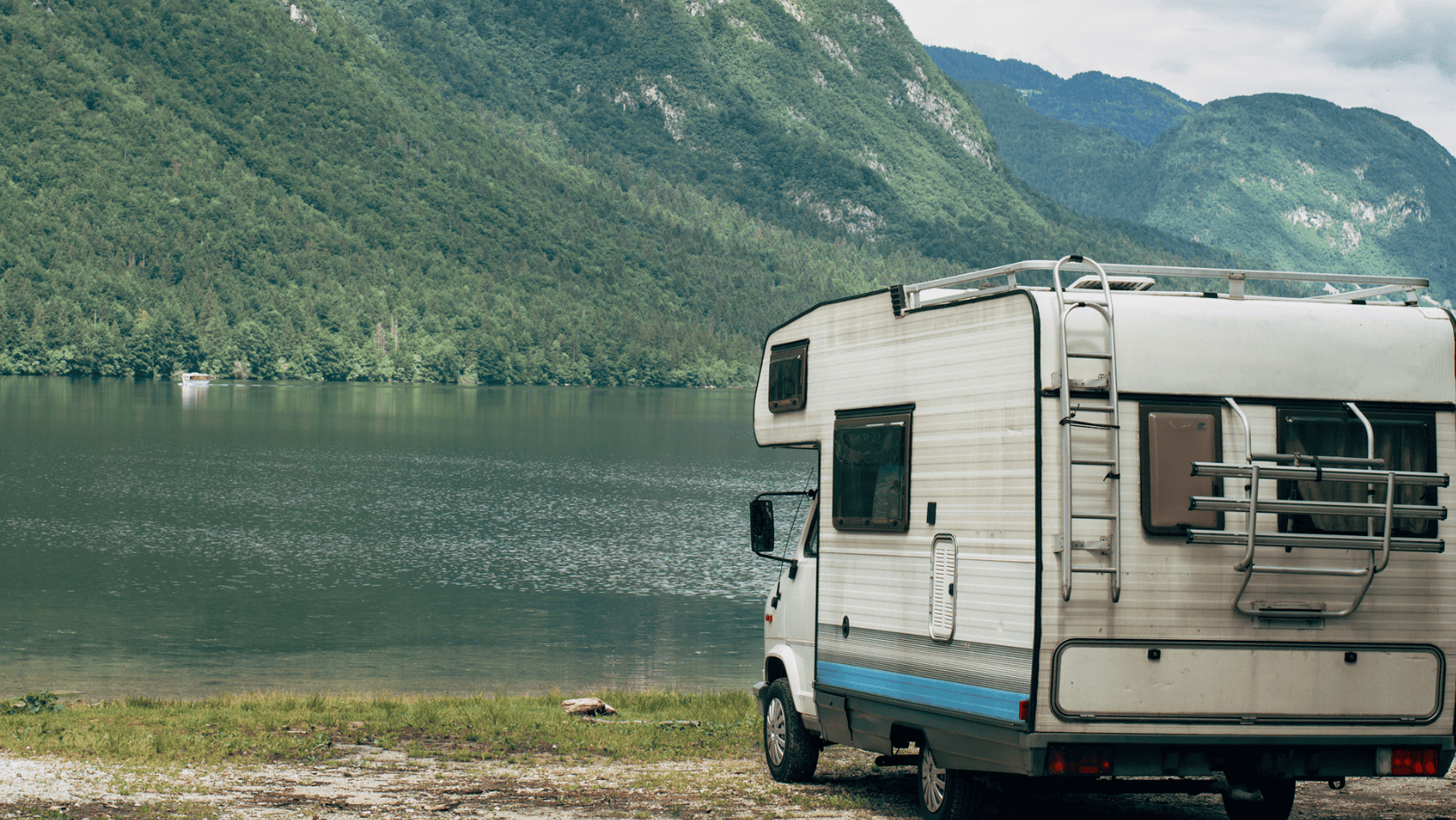
1. Research Fishing Locations
Before hitting the road, research fishing locations along your RV route. The United States is dotted with numerous fishing hotspots, from coastal areas to pristine mountain lakes and meandering rivers. Websites, fishing forums, and local fishing guides can be valuable resources for finding the best fishing spots along your travel route.
2. Check Fishing Regulations
Each state and even specific bodies of water may have different fishing regulations, including rules on fishing licenses, catch limits, and seasonal restrictions. Always check the fishing regulations for the areas you plan to visit to ensure you comply with local laws. This information is readily available on state wildlife agency websites.
3. Gear and Tackle
Packing the right fishing gear is essential for a successful RV fishing trip. Consider the type of fish you’ll be targeting and bring the appropriate rods, reels, lines, and bait. Space in your RV may be limited, so choose versatile gear that suits different fishing conditions.
4. Fishing Licenses
Most states require anglers to have a valid fishing license. These licenses can typically be purchased online or at local retailers. Ensure you have the necessary licenses for the states or regions where you plan to fish. Some states offer short-term or non-resident licenses for travelers.
5. Fishing Accessories
Don’t forget essential fishing accessories, such as tackle boxes, hooks, lures, fishing pliers, and a fishing net. Having a well-organized tackle box can save you time and frustration on the water.
6. Storage Solutions
RVs have limited storage space, so plan your fishing gear storage wisely. Consider using rod holders or wall-mounted racks to keep your fishing rods secure during travel. Utilize storage compartments for tackle and accessories.
7. Local Knowledge
When you arrive at your fishing destination, tap into local knowledge. Visit local bait shops, talk to fellow anglers, and ask about recent catches and recommended fishing spots. Locals often have valuable insights that can improve your chances of success.
8. Fishing Times
Fish are more active during certain times of the day. Sunrise and sunset are typically prime fishing times, so plan your outings accordingly. Additionally, pay attention to lunar phases, as they can influence fish behavior.
9. Safety First
Always prioritize safety when fishing in an RV. Wear appropriate safety gear, including life jackets if you’re fishing from a boat. Be mindful of your surroundings, and inform someone of your fishing plans, especially if you’ll be in remote areas with limited cell reception.
10. Conservation
Practice catch and release when appropriate to protect fish populations. Follow responsible fishing practices by disposing of trash properly and respecting the environment. Leave no trace of your presence and help preserve the beauty of the places you visit.
11. Maintenance
Maintain your fishing gear and RV to ensure they’re in optimal condition. Clean and store your fishing equipment properly to extend its lifespan, and perform regular maintenance on your RV to keep it running smoothly during your fishing adventures.
Fishing in an RV allows you to explore diverse fishing destinations while enjoying the comforts of home. By researching fishing locations, adhering to fishing regulations, packing the right gear, and practicing responsible fishing, you can make the most of your RV fishing trips. Remember to prioritize safety and conservation, and seek local knowledge to enhance your fishing experience. With these tips in mind, you’ll be well-prepared for memorable fishing adventures on the road.