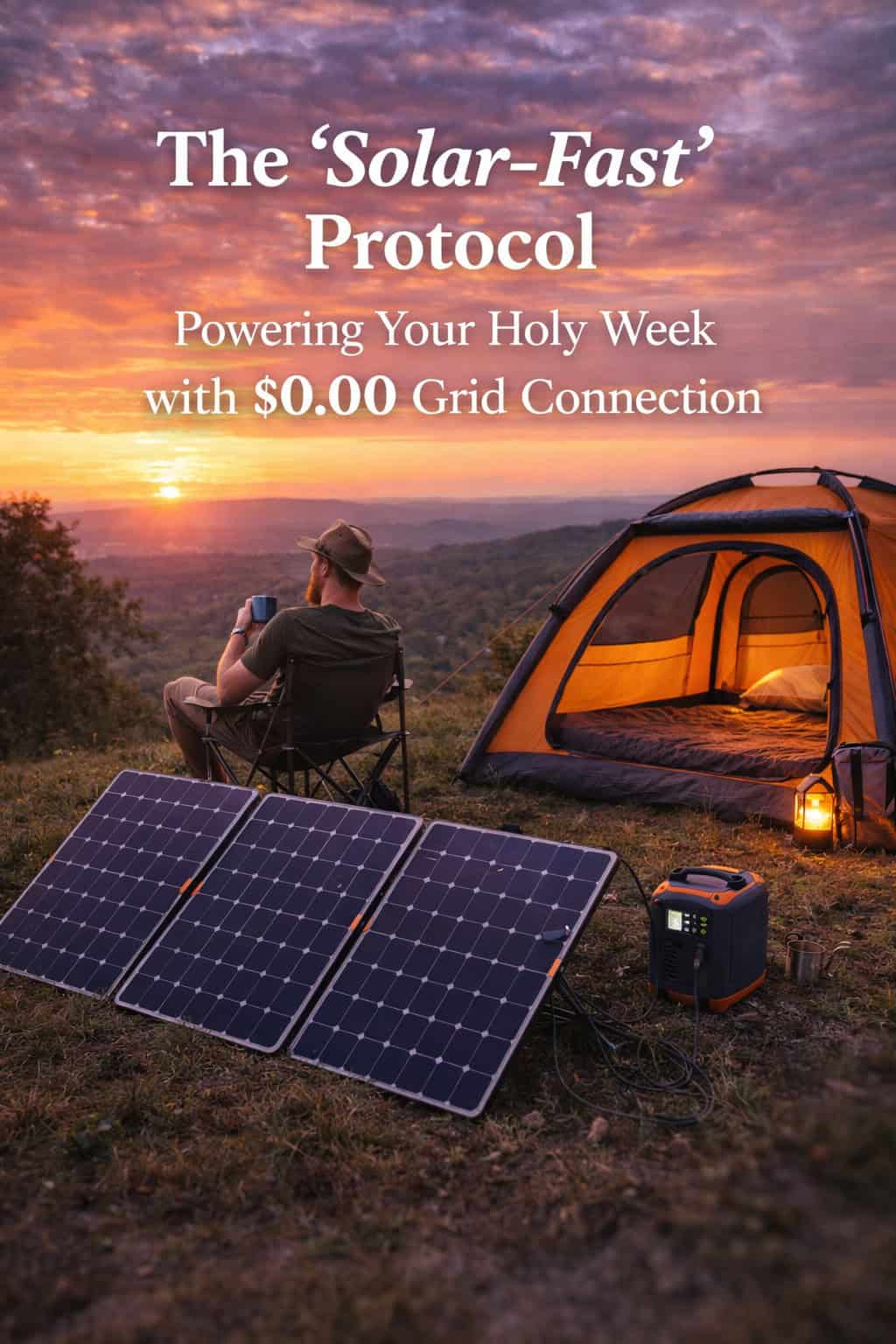


When you’re traveling in an RV, keeping food fresh and cold is a top priority—but what if you don’t want to rely on propane? Whether you’re boondocking, going off-grid, or just prefer alternative power sources, there are plenty of ways to keep your fridge cold and your food fresh without using propane.
Here’s how to maintain a cold fridge, reduce energy use, and extend your food’s freshness—all without propane!
🚐 Why Avoid Propane for Your RV Fridge?
Many traditional RV refrigerators use absorption cooling, which runs on propane when you’re off-grid. While propane fridges are common, there are several reasons why you might want to avoid them:
❌ Safety Concerns – Propane leaks, fire hazards, and ventilation issues.
❌ Driving Restrictions – Some states require you to turn off propane while driving.
❌ Efficiency Issues – Propane fridges struggle in extreme heat and take longer to cool down.
❌ More Maintenance – You need to clean burner tubes, check ventilation, and monitor gas levels.
If you’re looking for propane-free cooling solutions, you’re in the right place!
🔋 Option 1: Switch to a 12V Compressor Refrigerator
A 12V compressor fridge is one of the best upgrades for an RV that doesn’t rely on propane. These work just like a home fridge but run on DC power from your RV battery.
✅ Faster cooling than propane fridges.
✅ Works efficiently in hot weather.
✅ Can run off batteries & solar power.
✅ Safe to use while driving.
Power Considerations:
🔹 A 12V compressor fridge draws power continuously, so you’ll need a good battery setup (lithium batteries are best).
🔹 Pair it with solar panels to keep your fridge running without draining your battery.
💡 Best for: Full-time RVers, boondockers, and those upgrading to modern appliances.
🔋 Option 2: Use a Portable 12V Fridge/Freezer
If you don’t want to swap out your built-in fridge, consider a portable 12V fridge/freezer unit like a Dometic, BougeRV, or ARB.
✅ Runs directly from your RV battery or solar generator.
✅ Super energy-efficient compared to traditional RV fridges.
✅ Many models double as a freezer for ice, frozen food, or drinks.
✅ Can be placed outside or in a storage bay for extra cooling.
Power Considerations:
🔹 Uses far less power than a full-size fridge (about 1 amp per hour).
🔹 Can run on solar or battery banks for days without recharging.
💡 Best for: Weekend campers, van lifers, and those needing extra cold storage.
🧊 Option 3: Use Ice Chests & High-Performance Coolers
If you’re on a short trip or don’t have extra power sources, high-end rotomolded coolers (like YETI, RTIC, or Pelican) can keep food cold for 5-7 days without electricity.
How to Maximize Ice Retention:
✔️ Pre-Chill Your Cooler – Fill it with ice 24 hours before your trip to cool it down.
✔️ Use Block Ice Instead of Cubes – Block ice melts slower than ice cubes.
✔️ Add Frozen Bottles of Water – They act like ice packs and provide drinking water later.
✔️ Limit Opening the Lid – Keep the cold air inside as much as possible.
✔️ Store in the Shade – A cooler stays colder longer when kept out of direct sun.
💡 Best for: Weekend trips, short boondocking stays, or as a backup for your RV fridge.
🔌 Option 4: Run Your RV Fridge on Solar Power & Lithium Batteries
If you want to power your existing RV fridge (without propane) for long trips, a solar setup with lithium batteries is the way to go.
What You’ll Need:
🔹 400-600 watts of solar panels (to keep up with fridge power use).
🔹 200-400Ah of lithium batteries (to store enough power overnight).
🔹 A high-quality inverter (if your fridge is AC-powered).
💡 Best for: Long-term off-grid RVers who want full power independence.
🥶 Extra Tips to Keep Food Cold Longer
No matter what fridge or cooler you use, these tricks help keep your food cold longer!
1. Pre-Cool Everything Before Packing
✔️ Turn on your fridge 24 hours before your trip so it’s fully chilled.
✔️ Freeze meats, dairy, and drinks before loading them in.
2. Organize Your Fridge for Maximum Cooling
✔️ Keep cold air circulating by not overpacking.
✔️ Place perishable items in the coldest section (usually near the back).
✔️ Store drinks in a separate cooler to keep the fridge door closed more often.
3. Park Smart for Temperature Control
✔️ Avoid parking in direct sunlight—shade helps reduce fridge power use.
✔️ Use reflective insulation on fridge doors to keep the cold air inside.
4. Monitor Fridge Temps with a Wireless Thermometer
✔️ Keep temps below 40°F (4°C) to prevent food spoilage.
✔️ Use a wireless thermometer to check your fridge temp without opening the door.
🏁 Final Thoughts: Propane-Free Cooling is Possible!
You don’t need propane to keep food cold on long RV trips! Whether you upgrade to a 12V compressor fridge, use a portable freezer, rely on solar power, or optimize an ice chest, there are plenty of options for staying cool and off-grid.
🚐 How do you keep your food cold without propane? Drop a comment and share your best tips!