
One of the essential comforts of RV life is having hot water readily available for showers, dishes, and more. When it comes to selecting the right water heater for your RV, several factors must be considered. In this comprehensive guide, we will explore the various types of RV water heaters, their features, and important considerations to help you make an informed choice.
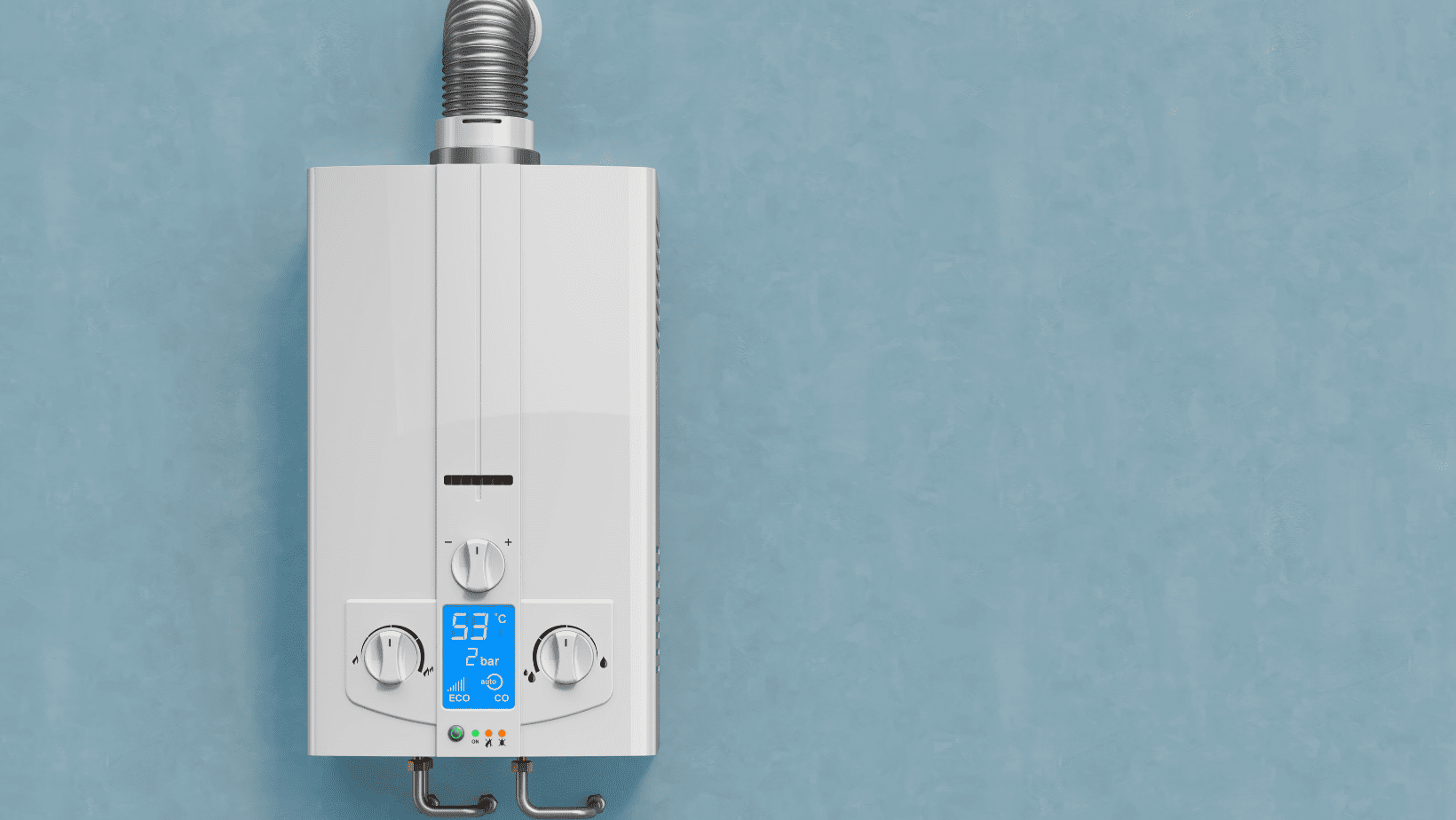
Types of RV Water Heaters
1. Tankless Water Heaters
- Tankless water heaters heat water on demand, providing an endless supply of hot water.
- They are energy-efficient and take up less space compared to tank-style heaters.
- Installation may require modifications to your RV’s plumbing and electrical systems.
2. Tank-Style Water Heaters
- Tank-style water heaters store and preheat water in a tank, ensuring a constant supply of hot water.
- They are easier to install and may replace an existing unit with minimal modifications.
- Tank-style heaters come in various sizes and capacities to suit your needs.
Fuel Sources
1. Propane Water Heaters
- Propane water heaters are common in RVs and are energy-efficient.
- They can be easily switched between propane and electric modes, offering flexibility.
- Keep in mind that propane tanks will need to be refilled periodically.
2. Electric Water Heaters
- Electric water heaters use electricity to heat water and are convenient when hooked up to shore power.
- They can be less efficient when compared to propane heaters and may require a generator or inverter for off-grid use.
Considerations for Choosing an RV Water Heater
1. Size and Capacity
- Determine the right size and capacity of the water heater based on your RV’s size and the number of occupants.
- Larger RVs with more occupants may require a higher capacity unit.
2. Energy Efficiency
- Consider the energy efficiency of the water heater to minimize fuel consumption and maximize your RV’s efficiency.
3. Installation
- Tankless water heaters may require more complex installations, while tank-style heaters are generally easier to install.
- Assess your RV’s existing plumbing and electrical systems to determine compatibility.
4. Maintenance
- Regular maintenance is essential to prolong the life of your water heater. Tank-style heaters may require periodic flushing to prevent sediment buildup.
5. Cost
- Compare the initial cost and operating expenses of different water heater options to stay within your budget.
Tips for Efficient Water Heater Use
1. Use a Water Heater Timer
- Install a timer to schedule when your water heater operates, reducing energy consumption during periods of low demand.
2. Insulate Your Tank
- Insulating the water heater tank and pipes can help maintain hot water temperatures for longer periods, especially in colder weather.
3. Set the Right Temperature
- Adjust the water heater’s thermostat to a comfortable temperature to prevent scalding and save energy.
Selecting the right water heater for your RV is a crucial decision that impacts your comfort and convenience on the road. Consider factors such as the type of water heater, fuel source, size, and energy efficiency when making your choice. Regular maintenance and efficient usage practices will ensure that your RV water heater provides you with a reliable supply of hot water throughout your travels. Whether you prefer the convenience of tankless water heaters or the simplicity of tank-style units, making an informed decision will enhance your RVing experience and keep you comfortable during your adventures.