
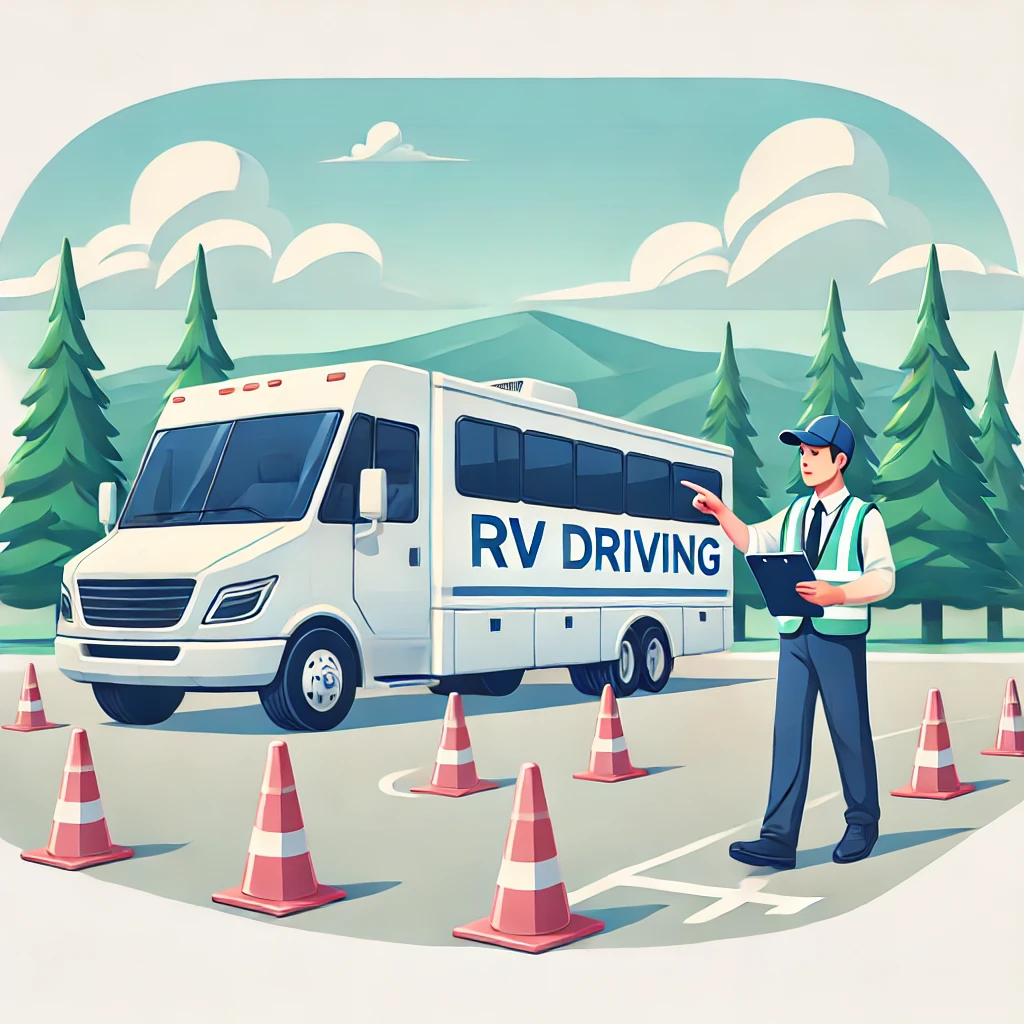
Driving an RV is a whole different ballgame compared to handling a car or even a truck. Whether you’re navigating narrow roads, backing into a tight campsite, or dealing with strong crosswinds on the highway, RV driving comes with unique challenges. For many first-time RVers—or even experienced drivers looking to boost their skills—an RV driving course can make all the difference.
So, should you invest the time and money in taking an RV driving course? Let’s explore the pros, benefits, and what you can expect from these classes to help you decide if they’re right for you.
Why Consider an RV Driving Course?
Driving a motorhome, travel trailer, or fifth wheel isn’t just about getting from point A to point B—it’s about doing so safely, confidently, and without unnecessary stress. Here’s why an RV driving course might be worth your time:
- Size Matters: RVs are longer, wider, and heavier than standard vehicles, making them harder to maneuver.
- Safety First: A wrong move while towing or turning could lead to accidents or costly damage.
- Knowledge Gap: Many new RVers aren’t familiar with features like air brakes, weight distribution, or tail swing.
An RV driving course can give you the knowledge and hands-on experience to handle these challenges.
Pros of Taking an RV Driving Course
1. Build Confidence Behind the Wheel
For many new RVers, the sheer size of the vehicle can be intimidating. A driving course provides a controlled environment to practice maneuvers like turning, braking, and reversing. With guidance from professionals, you’ll feel more comfortable and less stressed when it’s time to hit the open road.
💡 Example Skills You’ll Learn:
- Backing into tight campsites
- Handling sharp turns
- Adjusting for tail swing
2. Learn Essential Safety Techniques
Safety is one of the biggest reasons to take an RV driving course. You’ll learn best practices for handling emergencies, such as blowouts, sudden stops, or steep descents. Courses also cover defensive driving techniques to help you navigate heavy traffic or unpredictable drivers.
💡 Key Safety Lessons Include:
- How to manage braking distance for large vehicles
- Avoiding rollovers on sharp curves
- Proper use of mirrors to eliminate blind spots
3. Protect Your RV Investment
RVs are a significant financial investment, and one mistake—like scraping the side of your RV on a post or misjudging a turn—can lead to costly repairs. A driving course equips you with the skills to avoid common pitfalls, potentially saving you thousands of dollars.
💡 Pro Tip: Courses often include tips on how to properly maintain your RV to avoid wear and tear on the road.
4. Gain Knowledge About RV-Specific Features
Many RVs come with unique systems, such as air brakes, leveling jacks, and tow assist technology. A good driving course will teach you how to use these features effectively, ensuring you get the most out of your RV.
💡 What You’ll Learn:
- How to operate air brakes (if your RV has them)
- Understanding weight limits and proper load distribution
- Adjusting driving techniques for towing trailers
5. Lower Your Insurance Premiums
Some insurance providers offer discounts for RV owners who complete a certified driving course. While the discount varies, this could save you hundreds of dollars per year on your premiums.
💡 Pro Tip: Check with your insurance provider to see if they recognize specific driving schools for discounts.
What to Expect in an RV Driving Course
Most RV driving courses combine classroom instruction with hands-on practice. Here’s a breakdown of what you can expect:
- Classroom Learning:
- Basics of RV dimensions and weight limits
- Understanding road signs for larger vehicles
- Safety and defensive driving principles
- Hands-On Practice:
- Maneuvering in tight spaces
- Reversing with and without a spotter
- Driving in different road conditions
- Customizable Training:
- Some courses allow you to bring your own RV for training, so you can practice with the exact vehicle you’ll be driving.
💡 Duration: Courses typically range from a few hours to a full day, depending on the program.
How to Choose the Right RV Driving Course
When selecting a driving course, consider these factors:
- Location: Choose a course near you or one offered online if in-person isn’t an option.
- Reviews: Look for programs with positive feedback from previous participants.
- Certification: Ensure the course is recognized by insurance companies or RV organizations.
- Customization: Opt for courses that allow you to train in your own RV or trailer.
Who Should Take an RV Driving Course?
While anyone can benefit from these courses, they’re particularly useful for:
✔ First-Time RVers: Gain confidence and avoid rookie mistakes.
✔ RVers with Large or New Vehicles: Learn to handle Class A motorhomes, fifth wheels, or travel trailers.
✔ Frequent Travelers: Improve skills for long-distance or cross-country trips.
✔ Nervous Drivers: Build comfort and reduce stress while driving.
Final Thoughts: Is It Worth It?
An RV driving course is an investment in safety, confidence, and peace of mind. Whether you’re new to RVing or want to sharpen your skills, these courses provide practical knowledge that can make your travels smoother and more enjoyable.
✔ Avoid costly mistakes.
✔ Gain valuable skills for safer driving.
✔ Enjoy the journey with less stress.