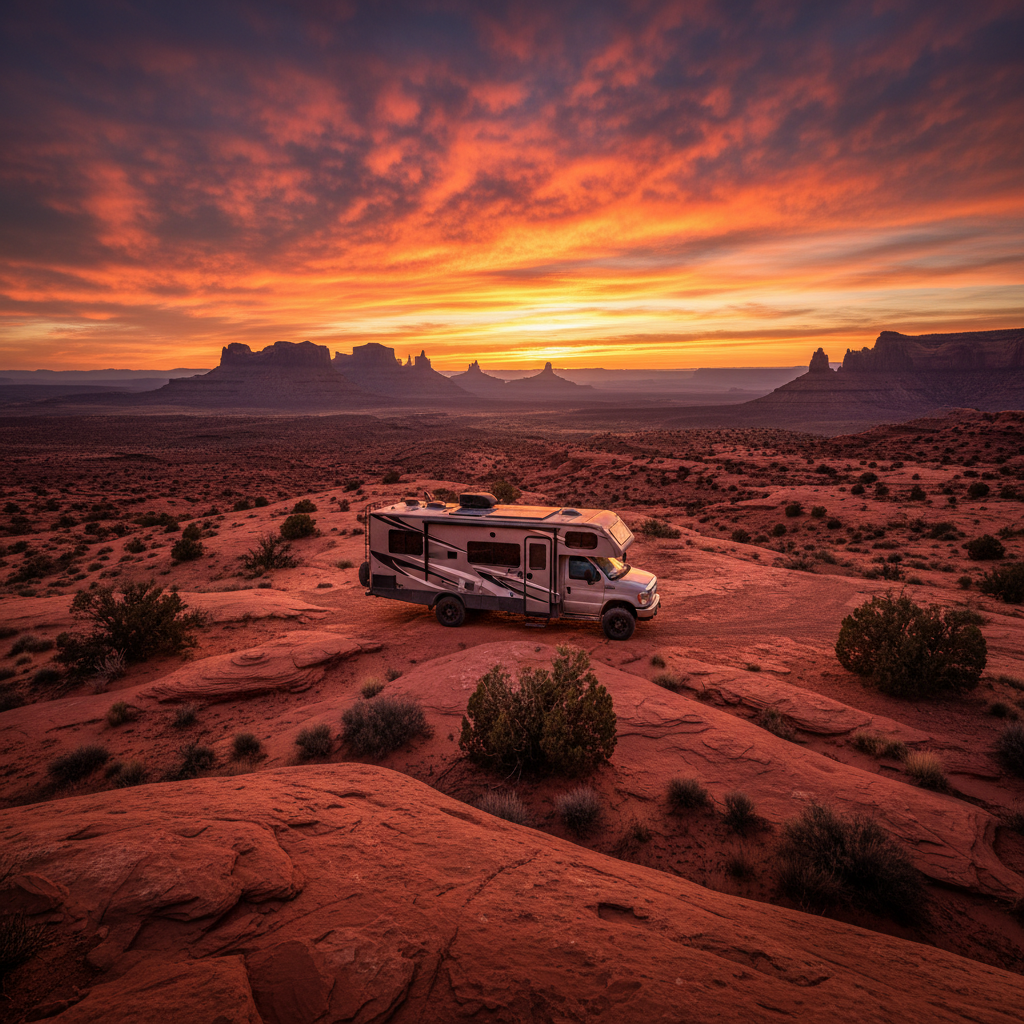
Utah's Drought Reality — And What It Means for Your Next Camping Trip
Utah is no stranger to big skies, red rock grandeur, and — increasingly — serious drought conditions. If you've been watching the news, you already know that water levels at reservoirs, access to certain campgrounds, and even fire restrictions are all being shaped by one of the most persistent dry spells in the region's recent history. But here's the good news: with a little planning, smart water management, and the right mindset, camping in Utah's stunning state parks is not only still possible — it can be absolutely unforgettable.
At CampgroundViews.com, we believe that informed campers are happy campers. So let's break down exactly what drought means for your Utah adventure and how to adapt like a pro.
What Drought Actually Changes at Utah State Parks
Drought doesn't just mean less water in the tap — it ripples across the entire camping experience in ways you might not expect:
- Boat ramps and lakeside sites may be inaccessible as reservoir levels drop dramatically at spots like Jordanelle, Deer Creek, and Starvation State Park.
- Fire restrictions escalate quickly, often moving to Stage 2 or complete bans, which means no campfires and sometimes no propane grills.
- Vegetation becomes drier and more fragile, meaning off-trail hiking and dispersed camping carry higher environmental risk.
- Water station availability decreases — some parks reduce potable water service during severe drought conditions.
Before you head out, always check the Utah State Parks website and local fire authority pages for up-to-the-minute conditions. Better yet, browse CampgroundViews.com's virtual tours to scope out the current landscape of your target campground before you ever load up the rig.
The Boondocker's Advantage in Dry Conditions
Here's a counterintuitive truth: experienced boondockers and dispersed campers often have an easier time adapting to drought conditions than traditional campground campers. Why? Because they already plan around water scarcity, fire-free cooking, and low-impact practices. If you haven't tried boondocking yet, a drought season is actually a great time to learn the ropes.
Master Your Water Supply
Whether you're in an RV or setting up a tent camp, treat every drop like it's gold — because in a Utah summer, it practically is. A few rules to camp by:
- Carry at least 1.5 gallons of water per person per day minimum — double that in desert heat.
- Invest in a quality water filter like a Sawyer Squeeze or LifeStraw for backup sourcing from natural springs (always verify flow conditions first).
- Use biodegradable wet wipes for quick cleanups instead of running water.
- Collect and reuse gray water where permitted for extinguishing coals or dust suppression.
Cook Without a Campfire
Campfire bans can feel like a camping buzzkill — until you master the art of the camp stove meal. A two-burner propane stove or a lightweight backpacking stove opens up a surprisingly full menu. Think cast-iron skillet breakfasts, one-pot pasta dinners, and cowboy coffee at sunrise. You might never go back to campfire cooking once you realize how fast and easy it is.
Choose Your Utah Campsite Wisely
Not all of Utah suffers equally during drought. Higher-elevation sites in the Uinta Mountains or near Cedar Breaks National Monument often retain more moisture and cooler temperatures. Meanwhile, canyon country sites near Moab or Capitol Reef may see intensified heat but offer dramatic, otherworldly scenery that's worth every drop of sunscreen.
Use CampgroundViews.com to explore virtual tours of Utah campgrounds before booking — you can literally see the terrain, shade availability, and site spacing without leaving your couch. It's the smartest way to match your setup (tent, van, RV, or glamping rig) to the right environment during uncertain conditions.
Leave It Better Than You Found It
Drought-stressed ecosystems are fragile. Stick to established trails and campsites, pack out absolutely everything, and avoid washing dishes or bathing near any natural water source. The Leave No Trace principles matter every season, but during drought, they're non-negotiable.
Utah's landscapes have endured millions of years of harsh conditions — and they'll endure this drought too, especially with campers who show up informed, prepared, and respectful. Happy trails out there.