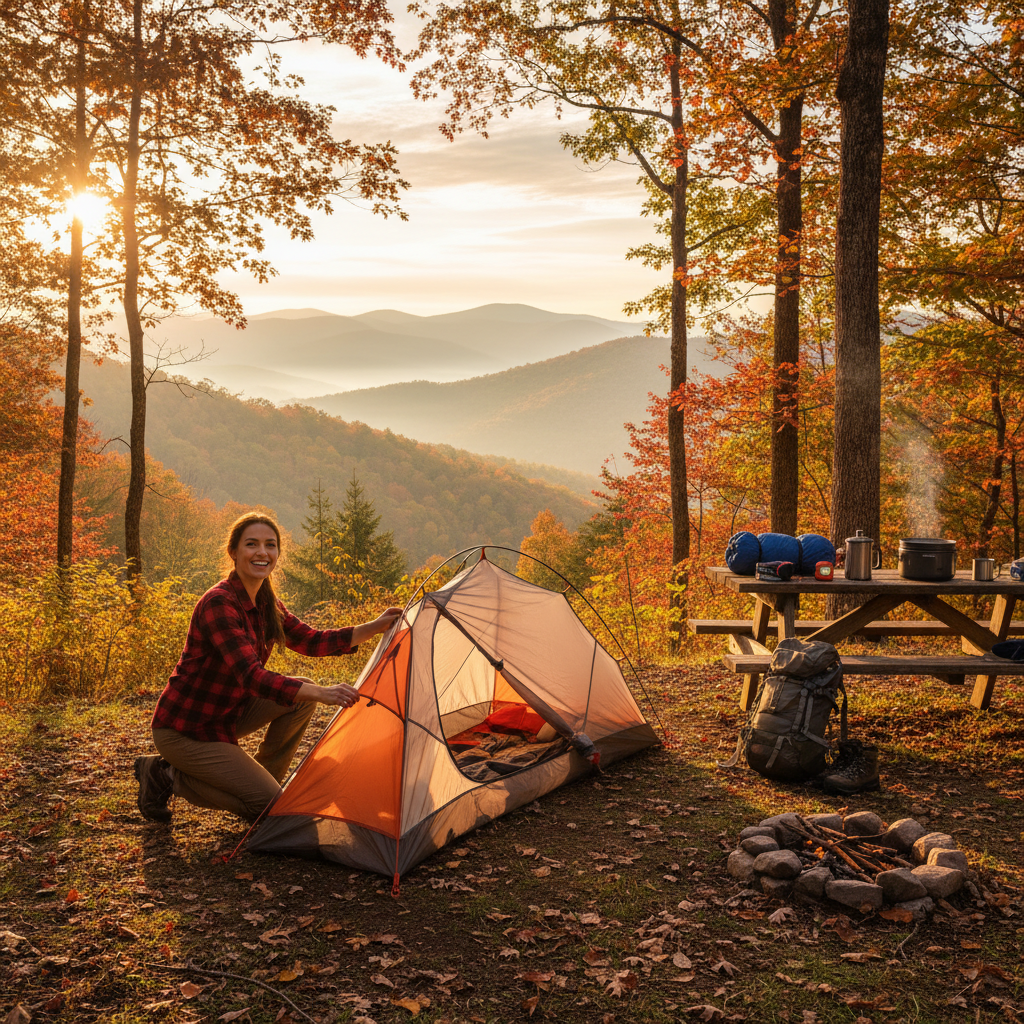
Your Wallet Called — It Wants You to Go Camping
The news that a North Carolina national park ranks among the cheapest places to visit in the entire national park system isn't just a fun headline — it's a full-blown invitation to pack your bags. But beyond the park fees themselves, savvy campers know that scoring a truly budget-friendly outdoor adventure means having the right gear, the right tools, and the right game plan. Let's break it all down.
The Real Cost of a National Park Visit (It's Not Just the Entry Fee)
When we talk about "cheap" national park visits, entry fees are only one piece of the puzzle. Your total trip cost factors in campsite fees, fuel, gear, food, and activities. The good news? With some smart planning — and a few essential gear picks — you can stretch every dollar without sacrificing a single star in the night sky.
Before booking anything, start your research on CampgroundViews.com, where you can browse 28,000+ campgrounds across North America, compare nightly rates, and even take virtual tours of campsites before you commit. Knowing exactly what a campground looks like before you arrive means zero unpleasant surprises and smarter spending.
Gear That Pays for Itself on Budget Camping Trips
1. A Quality Sleeping Bag That Does Double Duty
The Appalachian mountain region of North Carolina — home to Great Smoky Mountains National Park and the Blue Ridge Parkway — can see chilly nights even in summer. Investing in a versatile three-season sleeping bag rated to 20°F means you won't need to upgrade for years. Look for options from brands like Kelty, REI Co-op, or Teton Sports that offer genuine warmth without the four-figure price tag.
2. A Portable Camping Stove (Skip the Restaurant Runs)
Nothing erodes a camping budget faster than driving into town for every meal. A lightweight canister stove like the MSR PocketRocket or the Camp Chef Everest gives you the power to cook real, satisfying meals at your campsite. Pair it with a basic titanium cookset and you've just eliminated one of the biggest hidden costs of any camping trip.
3. A Reliable Headlamp
This sounds simple, but a good headlamp — like the Black Diamond Spot or the Petzl Actik — keeps you from stumbling around after dark and eliminates the need for expensive disposable batteries. Look for rechargeable USB models that double as a power bank in a pinch.
4. A Reusable Water Filtration System
National parks in the Southeast are blessed with beautiful streams and water sources. A Sawyer Squeeze or LifeStraw filter means you're never buying bottled water on the trail again. Over a season of camping, this single purchase can save you $50 or more.
Maximizing Value at Low-Cost National Parks
- Get the America the Beautiful Pass: At $80 per year, this annual pass covers entry to all federal lands and pays for itself in just two or three visits. It's the single best gear investment any frequent camper can make.
- Camp on the edges: Many visitors don't realize that campgrounds just outside national park boundaries — on adjacent national forest or state park land — are often significantly cheaper than in-park options. Use CampgroundViews.com to explore alternatives within a short drive of your target park.
- Go mid-week: Campsite fees at popular parks are fixed, but availability is dramatically better Tuesday through Thursday, meaning you'll actually get your first-choice site instead of settling.
- Use virtual tours to plan smarter: CampgroundViews.com features over 3,600 virtual campground tours so you can scout your exact site, assess shade coverage, proximity to bathhouses, and more — before you ever pull out of the driveway.
The Bottom Line
North Carolina's ranking as home to one of the cheapest national park experiences in the country is a reminder that epic outdoor adventures don't have to drain your bank account. With the right gear in your trunk, a free CampgroundViews.com account bookmarked on your phone, and a little trip-planning savvy, you can make every camping dollar work harder — and come home richer in memories than when you left.