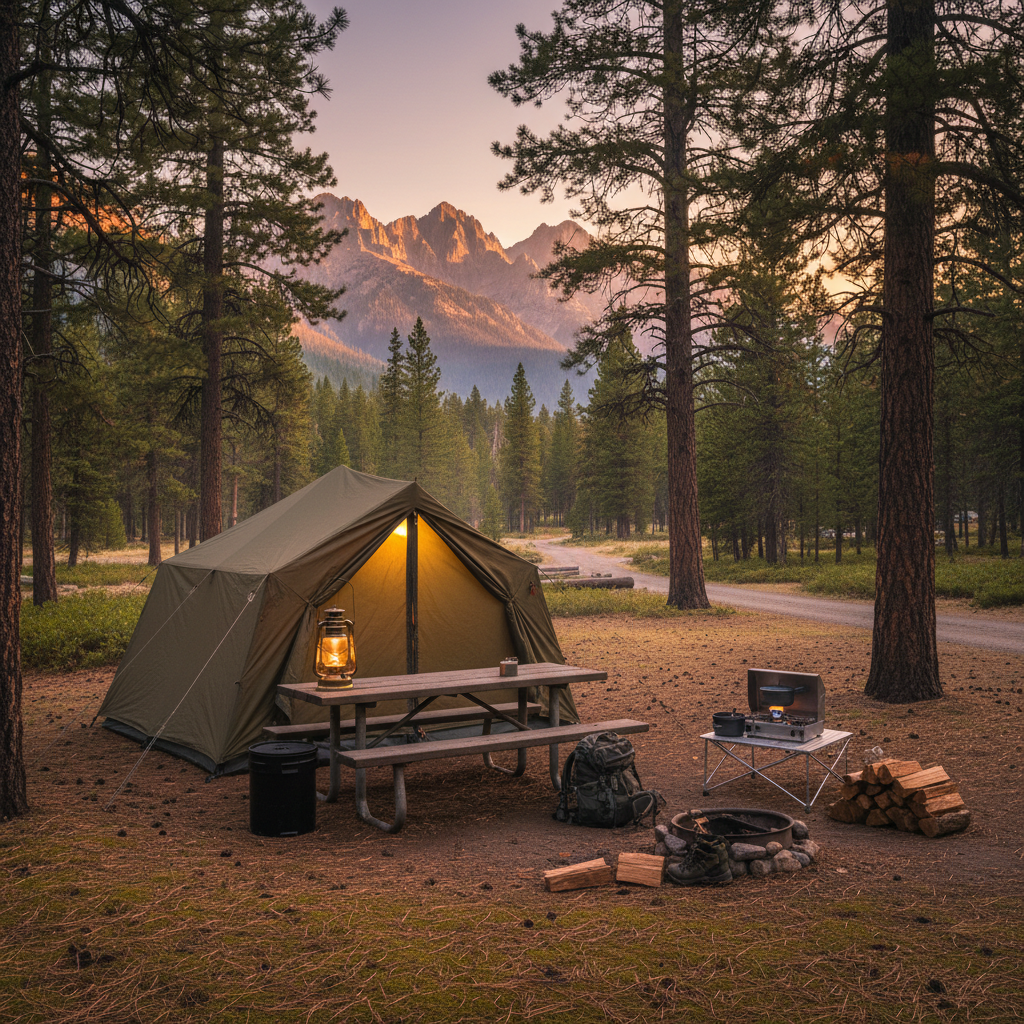
Why National Park Campgrounds Demand the Right Gear
National Park Service campgrounds are some of the most breathtaking places to pitch a tent or park an RV in North America. But if you've ever pulled into a Yellowstone loop after dark or tried to navigate an unfamiliar Rocky Mountain site, you know that stunning scenery doesn't automatically equal a comfortable stay. The right gear — chosen with these specific environments in mind — makes all the difference between a memorable adventure and a miserable night wondering why you didn't book a hotel.
At CampgroundViews.com, we've virtually toured thousands of campgrounds, including hundreds of NPS sites, so we know exactly what conditions campers encounter. Here's our curated gear breakdown to help you show up prepared — no matter which national park campground you're headed to.
Shelter & Sleep: Don't Let the Elevation Fool You
National park campgrounds can sit anywhere from sea level to above 10,000 feet. Temperatures swing wildly, and afternoon thunderstorms are practically a daily tradition in many parks from June through August. That means your shelter game needs to be airtight — literally.
- Four-Season Tent (or a bomber 3-season): Look for tents with a full-coverage rainfly that reaches close to the ground. The MSR Hubba Hubba NX and the REI Co-op Wonderland 4 are both excellent choices that handle wind, rain, and cold like champions.
- Sleeping Bag Rated 10°F Below Expected Temps: Mountain nights lie. A bag rated to 20°F when you're camping at 8,000 feet in July is not overkill — it's wisdom.
- Sleeping Pad with High R-Value: Ground insulation is just as critical as your bag. The Therm-a-Rest NeoAir Xlite scores an R-value of 4.5 and packs down to almost nothing.
Cooking Gear That Works in the Wild
Many NPS campgrounds have fire restrictions, especially during dry summer months. Don't count on a campfire to cook your meals. A reliable camp stove is non-negotiable.
- Canister Stove: The MSR PocketRocket Deluxe boils water in under three minutes and weighs next to nothing. Perfect for backpacker-style NPS sites with minimal amenities.
- Bear Canister or Bear Box Strategy: Many national park campgrounds require hard-sided bear canisters for food storage. The BearVault BV500 is roomy, clear (so you can find your snacks fast), and ranger-approved across dozens of parks.
- Collapsible Dishware: Pack light, clean up easier. GSI Outdoors makes collapsible plates, cups, and bowls that nest together and take up almost zero space.
Lighting, Power & Navigation
National park campgrounds are beautifully dark — which is great for stargazing and tough for finding the bathroom at 2 a.m. Come prepared with layered lighting solutions.
- Headlamp: The Black Diamond Spot 400 offers 400 lumens, a red night-vision mode, and a waterproof build. Clip one to every pack in your group.
- Lantern: The BioLite AlpenGlow 500 charges via USB, puts out a warm ambient glow, and doubles as a power bank in a pinch.
- Portable Power Station: If you're in an RV or car camping, a Jackery Explorer 300 keeps phones, cameras, and CPAP machines running without needing hookups.
Research Your Site Before You Arrive
Here's a pro tip that goes beyond gear: knowing exactly what your campsite looks like before arrival changes everything. That's where CampgroundViews.com shines. With 3,600+ virtual campground tours, you can scout your exact loop, check for shade, assess the terrain, and determine whether you need a tent pad or if the ground is rocky — all from your couch before you pack a single bag.
A Few More Essentials Worth Packing
- A quality first aid kit (Adventure Medical Kits Ultralight is excellent)
- Trekking poles for uneven park terrain
- A physical paper map of the park — cell service is notoriously spotty inside most NPS boundaries
- Leave No Trace supplies: a trowel, biodegradable soap, and waste bags
Gear Up, Show Up, and Enjoy Every Moment
National park campgrounds reward the well-prepared camper. With the right shelter, cooking setup, lighting, and a little pre-trip research on CampgroundViews.com, you'll spend less time problem-solving and more time soaking in the views that millions of people travel thousands of miles to experience. Happy camping — the gear bag is packed, and the trailhead is waiting.