Your RV is your home on wheels, and protecting it from extreme weather is essential for its longevity and your comfort. Whether you’re dealing with scorching heat, heavy rain, or freezing temperatures, the right coatings and maintenance practices can safeguard your rig. Here are four practical tips to help you protect your RV in harsh climates.
1. Protect Your Roof with a Durable Coating
The roof is one of the most vulnerable parts of your RV and often takes the brunt of harsh weather.
- Why It Matters: UV rays, rain, and snow can cause cracks, leaks, and overall wear on your roof.
- What to Do: Apply a weather-resistant RV roof coating, such as a rubber or silicone-based sealant, to create a protective barrier. These coatings help prevent water intrusion and reflect sunlight to keep your RV cooler in hot climates.
- Pro Tip: Inspect your roof twice a year for cracks or peeling, and reseal any areas that look worn.
2. Use UV-Protective Coatings for Your Exterior
Sun exposure can fade your RV’s paint, decals, and other surfaces over time.
- Why It Matters: Prolonged UV exposure not only affects the appearance of your RV but can also weaken materials, leading to cracks or delamination.
- What to Do: Apply a UV-resistant wax or protective coating to the exterior. These products add a layer of defense against harmful rays and make it easier to clean dirt and debris.
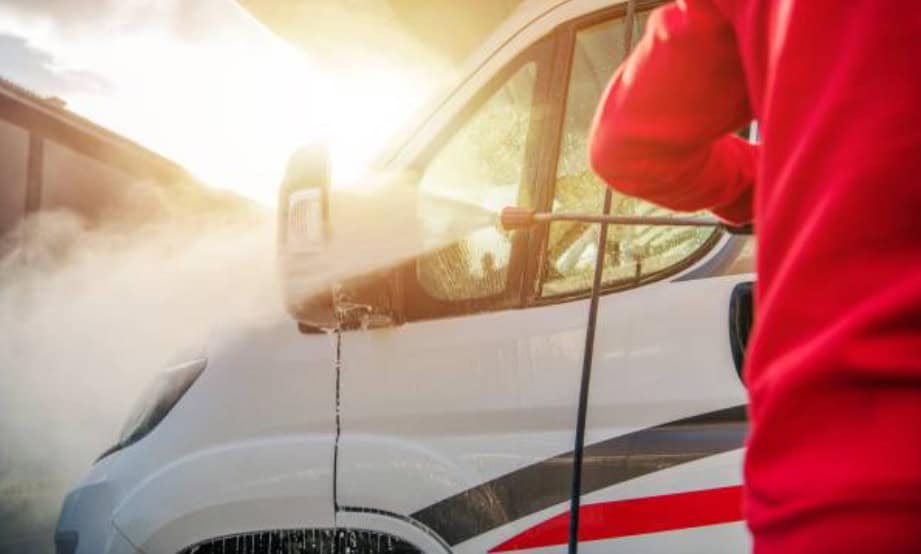
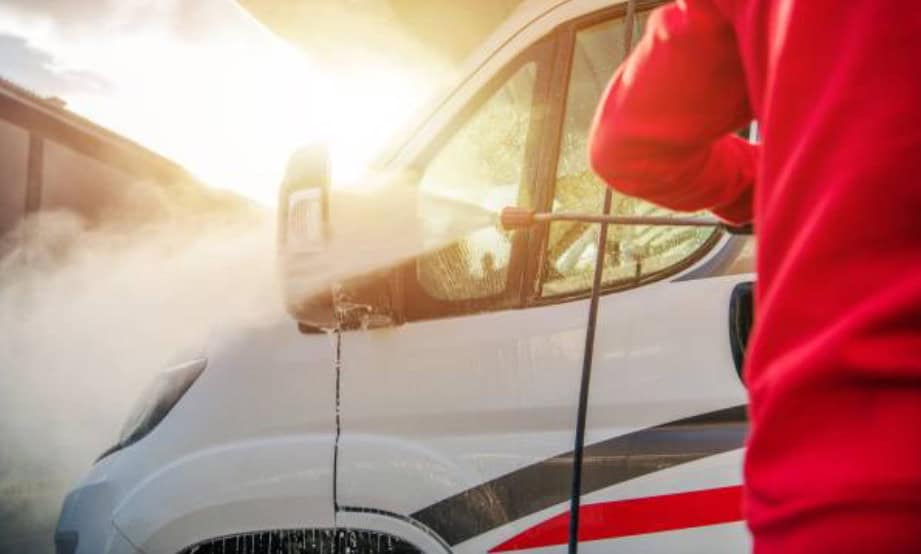
- Pro Tip: Wash your RV regularly to remove dust, grime, and pollutants that can exacerbate sun damage.
3. Insulate and Seal Against Moisture
Heavy rain and humidity can lead to water intrusion and mold growth if your RV isn’t properly sealed.
- Why It Matters: Water damage can compromise your RV’s structure and lead to costly repairs.
- What to Do: Check all seams, windows, and doors for gaps. Use weatherproof sealants or caulking to ensure these areas are watertight. For added moisture protection, consider a breathable RV cover when parked.
- Pro Tip: Invest in a dehumidifier to reduce indoor moisture levels, especially if you’re camping in a humid or rainy environment.
4. Shield Your Undercarriage from Corrosion
Salt from winter roads or salty coastal air can cause rust and corrosion on your RV’s undercarriage.
- Why It Matters: Corrosion weakens metal components and can affect the RV’s structural integrity.
- What to Do: Apply an undercarriage protective coating, such as a rust inhibitor or spray-on sealant, to shield metal parts from moisture and salt. Rinse the undercarriage regularly after exposure to salty environments.
- Pro Tip: Avoid parking in areas with standing water, as prolonged exposure can speed up rusting.
Final Thoughts
Protecting your RV from harsh climates doesn’t have to be complicated. By focusing on your roof, exterior, seals, and undercarriage, you can extend the life of your rig and enjoy your adventures without worrying about the elements. With these simple yet effective tips, your RV will be ready to handle whatever Mother Nature throws your way!
Safe travels! 🚐✨