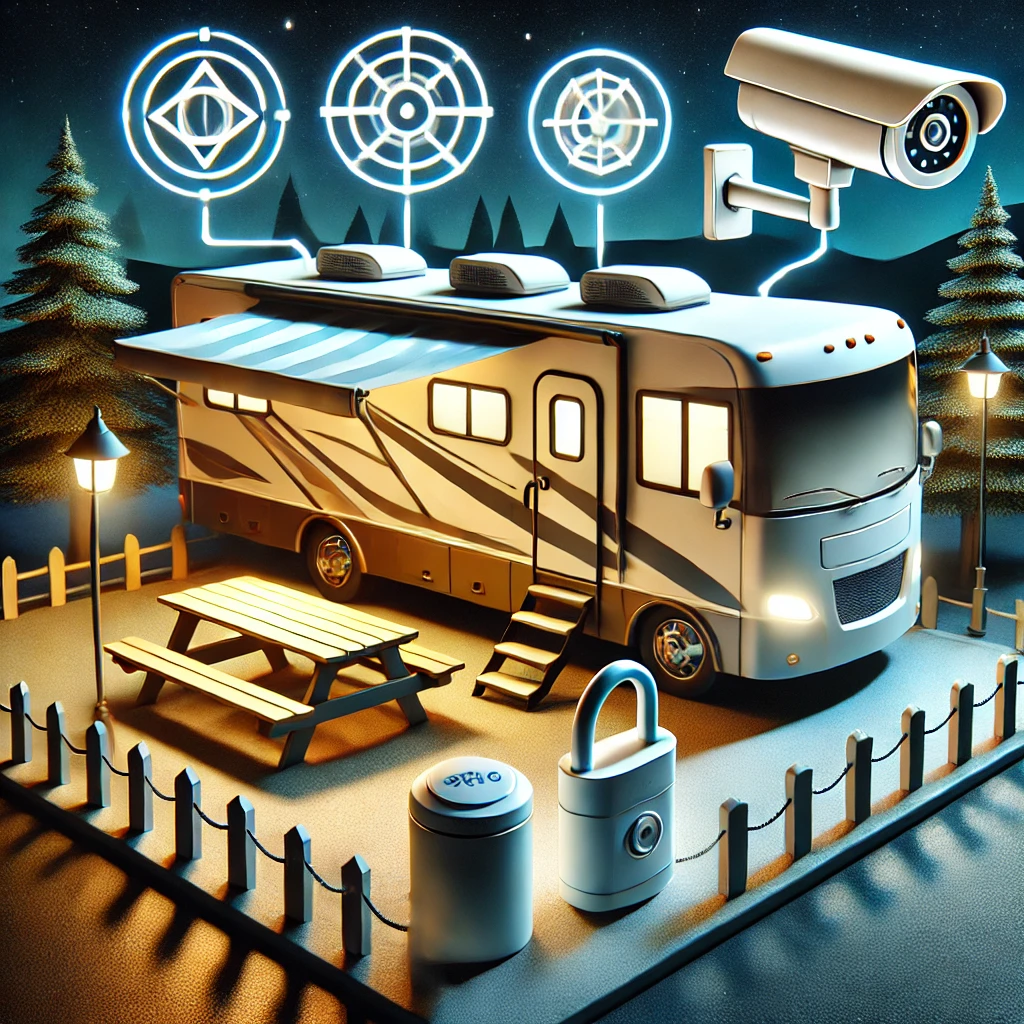
Protecting Your Rolling Home: Simple Steps to Avoid RV Theft
Imagine stepping outside after a scenic hike or a fun night in town—only to find your RV has been broken into. For many RVers, the possibility of theft isn’t top of mind until it happens. Whether you’re traveling full-time, heading out for a weekend trip, or storing your rig for the season, keeping your RV secure should be a priority.
RVs are unique targets for thieves. They’re mobile, often parked in unfamiliar locations, and can be filled with valuables like electronics, personal documents, and outdoor gear. Unlike a house, you can’t just install a full security system or rely on a neighborhood watch. That’s why taking a few smart precautions can go a long way in preventing break-ins and ensuring your travels remain stress-free.
Why Are RVs at Risk for Theft?
RVs appeal to criminals for several reasons:
- They’re often left unattended. Whether parked at a remote campsite or in storage, RVs can be easy targets.
- Many don’t have built-in security. Standard locks on RVs are often weak and easy to pick.
- They’re full of valuables. Laptops, cameras, cash, and even the RV itself can be stolen.
The good news? There are plenty of ways to make your RV a far less appealing target.
Practical Ways to Keep Your RV Secure
1. Upgrade Your Locks
Most factory-installed RV door locks are identical across models, meaning a stranger’s key might unlock your rig. Replacing standard locks with heavy-duty deadbolts or combination locks adds an extra layer of security. Don’t forget storage bays—these are common entry points for thieves.
2. Keep Valuables Out of Sight
A visible laptop, camera, or wallet inside your RV is an open invitation for thieves. Close blinds, use blackout curtains, and store valuables in hidden compartments. If you must leave items inside, consider a small portable safe.
3. Install Motion-Sensing Lights
Dark, secluded spots are a thief’s best friend. Motion-activated LED lights near doors and windows can startle intruders and make your RV less attractive as a target.
4. Use a Security Camera or Alarm System
Compact, battery-powered security cameras with remote monitoring allow you to keep an eye on your RV from anywhere. Some models even send alerts to your phone if motion is detected. An alarm system with a loud siren can also deter break-ins.
5. Lock Your Hitch or Wheels
If you tow a travel trailer, a hitch lock prevents thieves from simply hooking up and driving off. For motorhomes, a steering wheel lock or tire boot makes it much harder for someone to steal the entire vehicle.
6. Be Cautious About Sharing Your Location
Social media makes it easy to share your adventures, but broadcasting your exact location in real time can alert potential thieves that your RV is unattended. If you love posting about your travels, consider sharing updates after you’ve left a location.
7. Choose Safe Parking & Campsites
Always opt for well-lit, busy areas. At campgrounds, park near other RVers instead of isolated spots. If boondocking, avoid parking in areas with no visibility from a road or nearby campers.
8. Create the Illusion of Occupancy
If you’re away from your RV, leave a radio on, set lights on a timer, or even place a pair of shoes outside the door. Anything that makes your rig look occupied can discourage opportunistic thieves.
What to Do If Your RV Is Broken Into
Despite all precautions, break-ins can still happen. If you return to find signs of forced entry:
- Stay outside and assess the situation. If the door is open or something seems off, do not enter. The intruder may still be inside.
- Call the authorities immediately. Report the theft and provide any security footage if available.
- Document the damage by taking pictures and making a list of stolen items.
- Notify your insurance company and file a claim if necessary.
Final Thoughts: Security Is About Prevention
No RV is 100% theft-proof, but by taking proactive steps, you can significantly lower the risk of break-ins. Investing in better locks, being mindful of where you park, and using deterrents like lights and alarms can make all the difference. A little preparation goes a long way in keeping your home-on-wheels safe, so you can focus on the best part of RV life—adventure, freedom, and the open road.