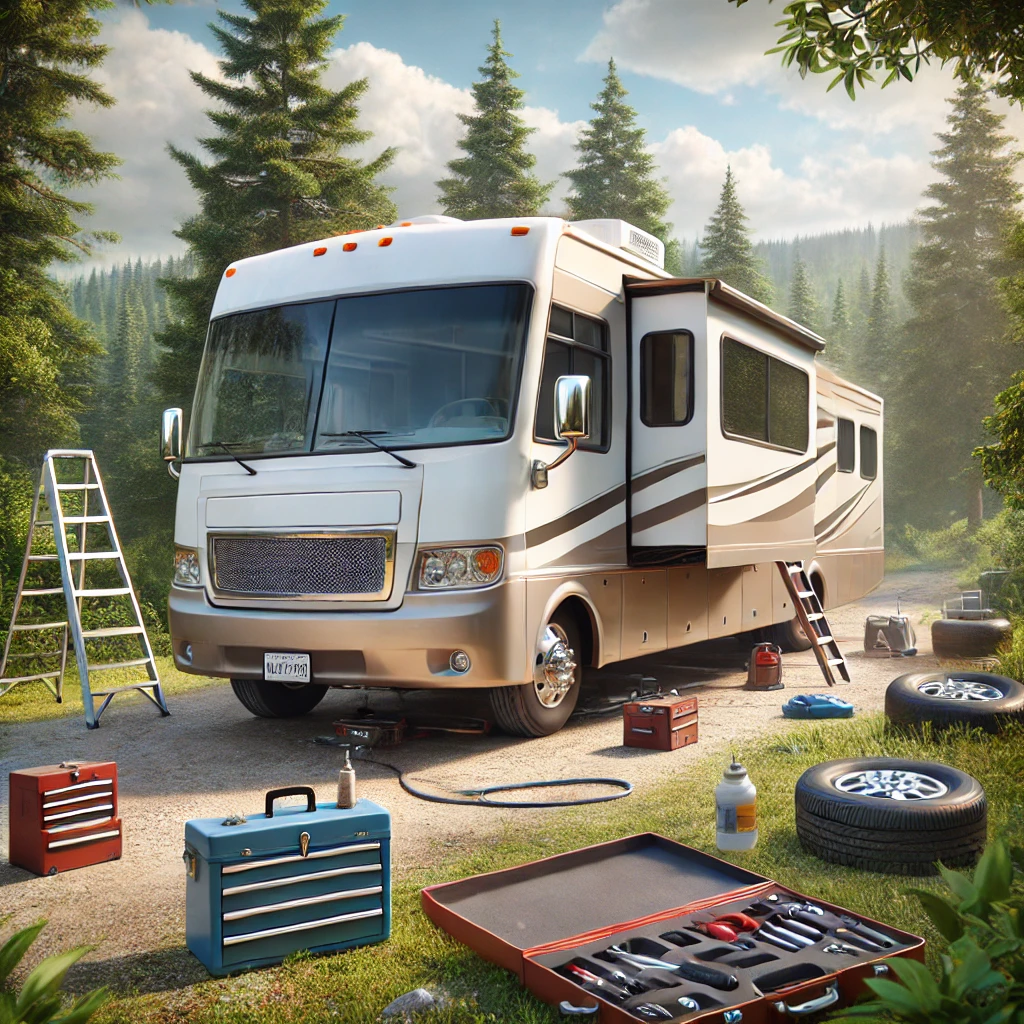
Understanding the Lifespan of an RV
An RV is more than just a vehicle—it’s a home on wheels. But just like any home or vehicle, its longevity depends on maintenance, usage, and care. Many RVs last 20 to 30 years, but that number can vary greatly depending on how well it’s taken care of.
From full-time travelers putting on thousands of miles a year to weekend warriors who store their RVs for months at a time, the lifespan of an RV is influenced by how it’s used and how it’s maintained.
So, how can you make your RV last longer? Here’s what you need to know.
1. Routine Maintenance is Everything
Just like a house or a car, an RV needs regular maintenance. This includes:
- Oil Changes & Fluid Checks – Keeping the engine and transmission in good shape is key.
- Tire Inspections – Cracks and worn-out treads can lead to blowouts.
- Brake Checks – RVs are heavy, and brakes need to be reliable.
- Roof and Seal Inspections – Water damage is one of the quickest ways to ruin an RV.
Skipping routine maintenance can shorten your RV’s lifespan dramatically. Stick to a maintenance schedule, and you’ll keep your rig running smoothly for years.
2. Protect Against Water Damage
Leaks are an RV’s worst enemy. Even a small leak can lead to mold, rot, and structural damage.
- Inspect the roof and seams regularly for cracks or weak spots.
- Use proper sealants to keep everything watertight.
- Store your RV properly—keeping it covered or parked under shelter will protect it from excess moisture.
Once water damage sets in, repairs can be costly and difficult. Prevention is key.
3. Mind Your Mileage
Most RV engines can last between 200,000 and 300,000 miles with proper care. However, excessive mileage and heavy loads can wear them down faster.
- Avoid aggressive driving and sudden braking to reduce stress on the engine and brakes.
- Stick to smooth roads when possible—rough terrain wears down suspension and chassis components.
- Keep an eye on weight limits—an overloaded RV will strain its engine and tires.
4. Upgrade Instead of Replace
Older RVs can feel outdated, but that doesn’t mean they need to be retired. Simple upgrades can extend their usability:
- New appliances to replace inefficient or broken ones.
- Upgraded solar or electrical systems for modern power needs.
- Resealing and repainting exteriors to protect against weather damage.
Investing in upgrades keeps an RV relevant without the cost of buying a new one.
5. Proper Storage Makes a Difference
An RV that sits unused for months can deteriorate just as quickly as one that’s overused.
- Store it in a covered area to protect from sun and weather damage.
- Use tire covers and move the RV periodically to avoid flat spots.
- Keep the interior ventilated to prevent mold buildup.
The Bottom Line
A well-maintained RV can last decades and provide thousands of miles of adventure. But neglecting simple maintenance or allowing small issues to go unchecked can shorten its lifespan significantly. With proper care, smart upgrades, and mindful storage, you can keep your RV rolling for years to come.
Taking care of your RV means more time enjoying the open road and less time dealing with costly repairs. Treat it well, and it will take you wherever you want to go.
Need More RV Maintenance Tips?
Staying on top of routine care is key to keeping your RV in top shape. Explore more tips on RV upkeep, repairs, and storage strategies to make the most of your travel home.