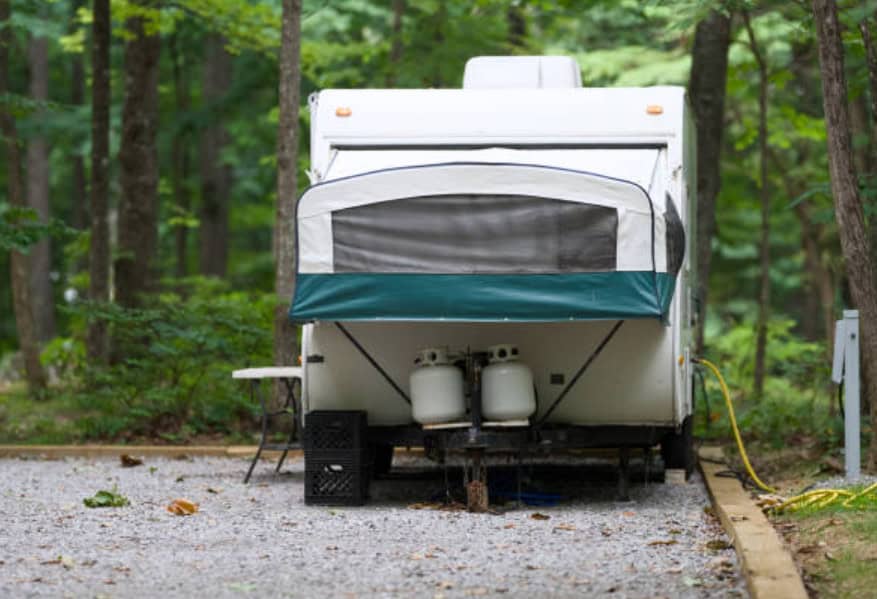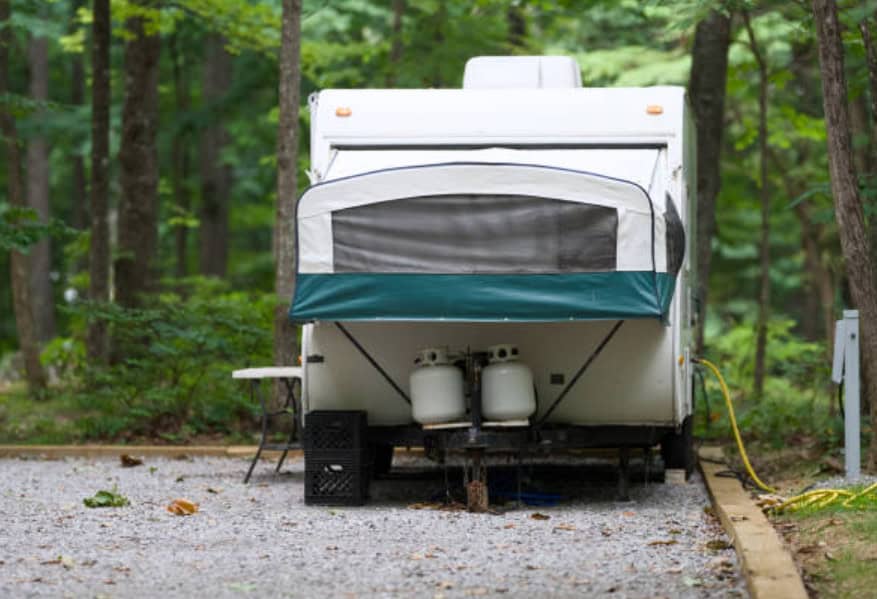
When winter camping or traveling through cold climates, your RV propane system becomes a lifeline for keeping your rig warm, cooking meals, and running essential appliances. But freezing temperatures can pose challenges, from reduced propane efficiency to frozen lines. Understanding how to manage your propane system during these chilly months ensures you stay cozy and your RV operates safely. Here’s how to keep your propane system running smoothly in freezing temperatures.
Why Propane Is Essential in Winter
Propane is a versatile fuel that powers your RV furnace, water heater, stove, and sometimes even your refrigerator. It’s reliable and efficient, but its performance can be affected by cold weather. Propane remains in a liquid state under pressure and vaporizes into gas as needed. In freezing conditions, the propane’s ability to vaporize decreases, which can limit its effectiveness.
Common Problems with RV Propane in Freezing Temperatures
- Slow Vaporization:
- In cold weather, propane struggles to vaporize, reducing pressure in your system and making it harder to power appliances.
- Frozen Regulators:
- Moisture inside the regulator can freeze, causing blockages and preventing propane from flowing.
- Condensation in Tanks:
- When temperatures fluctuate, condensation can form inside your propane tank, which might lead to freezing issues.
- Low Tank Levels:
- Propane tanks with low fuel levels are more prone to pressure drops, especially in colder weather.
Tips for Managing RV Propane in Freezing Temperatures
1. Keep Your Propane Tanks Full
- A full propane tank maintains higher pressure, which helps it perform better in cold conditions. Refill your tanks before heading into freezing weather.
- Pro Tip: Keep at least two tanks on hand so you can swap them out easily if one runs empty.
2. Insulate Your Regulator and Lines
- Protect the regulator from freezing by wrapping it in insulation, such as foam pipe insulation or a specially designed propane regulator cover.
- For propane lines, check for any exposed sections and use insulation tape to keep them from freezing.
3. Use a Propane Tank Heater
- Propane tank heaters, such as electric heating pads or thermal blankets, can keep your tanks warm and maintain proper pressure.
- Pro Tip: Choose a heater designed for propane tanks and ensure it’s compatible with your setup.
4. Protect Against Moisture in the System
- Use a propane filter to remove moisture before it reaches the regulator or lines. This reduces the risk of freezing.
- If you suspect moisture is already in the system, consider using a propane-safe antifreeze product to resolve the issue.
5. Monitor Propane Levels Regularly
- Invest in a propane tank gauge to keep track of fuel levels. Knowing when your tank is running low allows you to refill before pressure drops become an issue.
- Pro Tip: Opt for wireless propane monitors that send updates directly to your phone for easy tracking.
6. Keep Your RV Warm
- Use skirting around the base of your RV to reduce cold air exposure, which helps your propane system operate more efficiently.
- Insulate windows and doors to minimize heat loss and reduce the workload on your propane furnace.
Safety Tips for Using Propane in Cold Weather
- Ventilation Is Key:
- Ensure proper ventilation whenever using propane appliances to prevent carbon monoxide buildup. Use a carbon monoxide detector for added safety.
- Inspect for Leaks:
- Regularly check for propane leaks using a soapy water solution. Bubbles indicate a leak that needs immediate attention.
- Avoid Overfilling:
- Propane tanks should never be filled beyond 80% capacity. This leaves room for expansion and prevents pressure-related issues.
- Turn Off Appliances Before Refueling:
- Always shut off propane appliances and systems before refilling tanks to avoid accidents.
What to Do If Your Propane System Freezes
If your propane system stops working due to freezing temperatures:
- Check the Regulator:
- Inspect the regulator for frost or ice. If it’s frozen, gently warm it using a heat pack or by moving your RV to a warmer location.
- Thaw Frozen Lines:
- Use a hairdryer on a low setting to thaw frozen lines or connections. Never use an open flame to heat propane components.
- Inspect for Blockages:
- Ensure there are no obstructions in the propane lines, such as ice or debris.
- Switch Tanks:
- If you have a second propane tank, switch to it while addressing the frozen system.
Benefits of Preparing Your Propane System for Winter
By taking proactive steps, you can enjoy these advantages:
- Consistent Heating: Keep your RV warm and cozy regardless of outdoor temperatures.
- Operational Appliances: Ensure your stove, water heater, and fridge run smoothly for uninterrupted convenience.
- Safety: Avoid potential hazards like frozen lines or propane leaks that can arise in cold weather.
Final Thoughts
Managing your RV propane system in freezing temperatures doesn’t have to be a challenge. With the right tools, preparation, and safety measures, you can keep your system running efficiently and your RV comfortable all winter long. From insulating your lines to using tank heaters, these small steps can make a big difference during your cold-weather adventures.
Stay warm, stay safe, and enjoy your winter camping trips to the fullest! ❄️🔥🚐