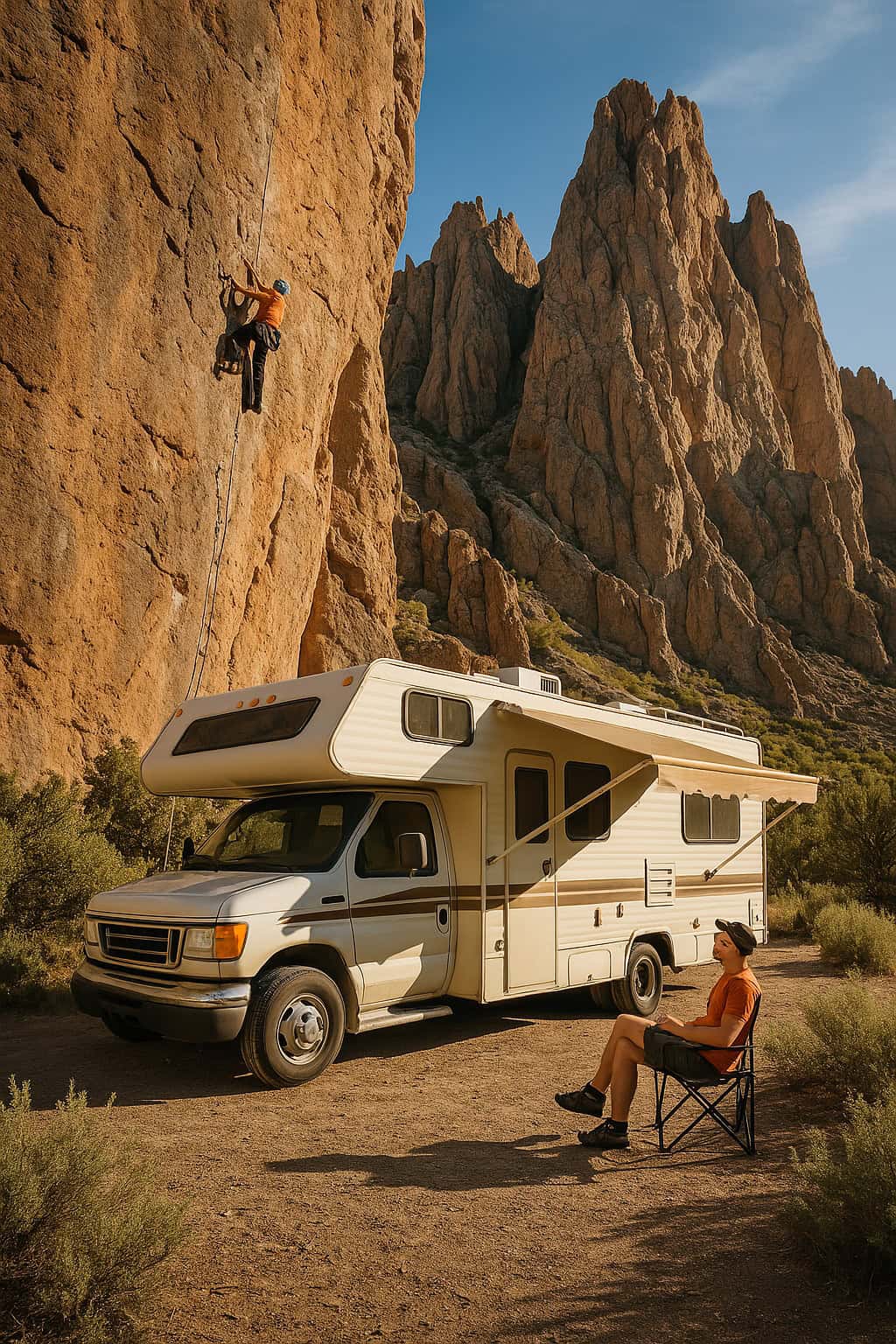
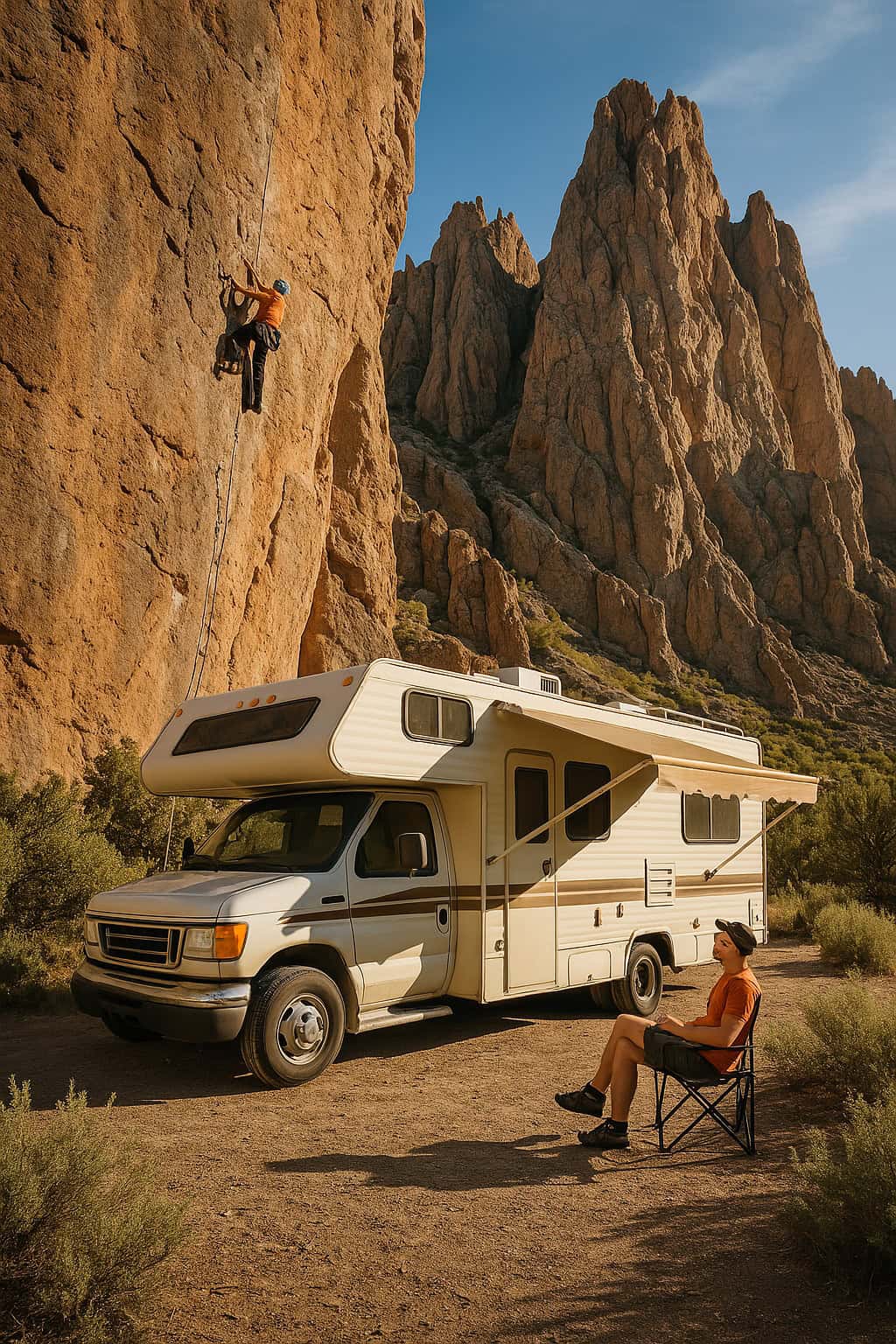
Stealth camping, often referred to as boondocking or dry camping, involves parking your RV in a location where overnight camping isn't explicitly designated but is tolerated. This practice requires a delicate balance of subtlety, preparation, and respect for the environment and local laws. For the adventurous RVer, mastering the art of stealth camping can open up a world of free and unique camping experiences across various destinations.
Understanding Stealth Camping
Stealth camping is all about being unobtrusive and leaving no trace. It’s ideal for self-contained RVs that can operate without external water, power, or sewer connections. The key is to stay low-key and avoid drawing attention to yourself or your setup.
Why Choose Stealth Camping?
-
Cost-Effective: Save on campground fees.
-
Flexibility: Enjoy last-minute stops or popular areas with limited camping options.
-
Adventure: Experience unique locations off the beaten path.
However, stealth camping comes with a responsibility to maintain discretion and adhere to local regulations to avoid disturbances and preserve the privilege of camping in undesignated areas.
Tips for Successful Stealth Camping
1. Know the Local Laws
-
Research the local laws regarding overnight parking. Many cities and towns have ordinances against sleeping in a vehicle overnight.
-
Utilize resources like local forums, apps, and websites dedicated to RVing and camping to gather up-to-date information.
2. Choose Your Spot Wisely
-
Opt for places that are low-profile and have regular overnight parking but aren’t frequented by large crowds.
-
Industrial areas, 24-hour supermarkets, and quiet residential streets (be mindful of local regulations) are potential options.
-
Always have a backup location in case your first choice is compromised.
3. Arrive Late and Leave Early
-
The less time you spend parked in one spot, the lower your chances of being noticed and asked to move.
-
Plan to arrive just before it's time to settle in for the night and leave early in the morning to minimize your presence.
4. Be Self-Sufficient
-
Ensure your RV is well-equipped with water, a toilet, and all necessities since you won’t have access to facilities.
-
Keep your waste contained and dispose of it properly at an appropriate facility later.
5. Maintain a Low Profile
-
Avoid extending slides, setting up chairs, or deploying awnings.
-
Keep noise to a minimum—no generators at night, and keep windows covered for privacy and to block out light.
-
Be observant of your surroundings and maintain a respectful distance from residential properties.
6. Leave No Trace
-
Whatever you bring in, take out. It’s crucial to keep areas clean so others can continue to use them.
-
Do not dump any waste, including water, on the streets or in nature.
7. Security Measures
-
Ensure your vehicle is secure and always lock doors.
-
Be aware of your surroundings and ready to leave quickly if the situation requires.
The Ethics of Stealth Camping
While stealth camping can be exciting, it's important to approach it with an ethical mindset:
-
Always prioritize safety, both personal and environmental.
-
Respect privacy and the local community.
-
Be ready to leave if asked, and always comply with law enforcement or property owners.
Conclusion
Stealth camping is an art that requires finesse, respect, and a sense of adventure. By following these guidelines, you can enjoy the freedom and flexibility that comes with blending into various settings, all while being a considerate and responsible RVer.
Remember, the goal of stealth camping is to go unnoticed, leave no trace, and move on having had a minimal impact on your temporary neighborhood.
For RVers ready to dive into stealth camping, this guide provides the foundational knowledge to embark on these adventures respectfully and safely. If you're looking for more specific destinations or further tips on stealth camping, feel free to reach out, and we can explore more detailed content!