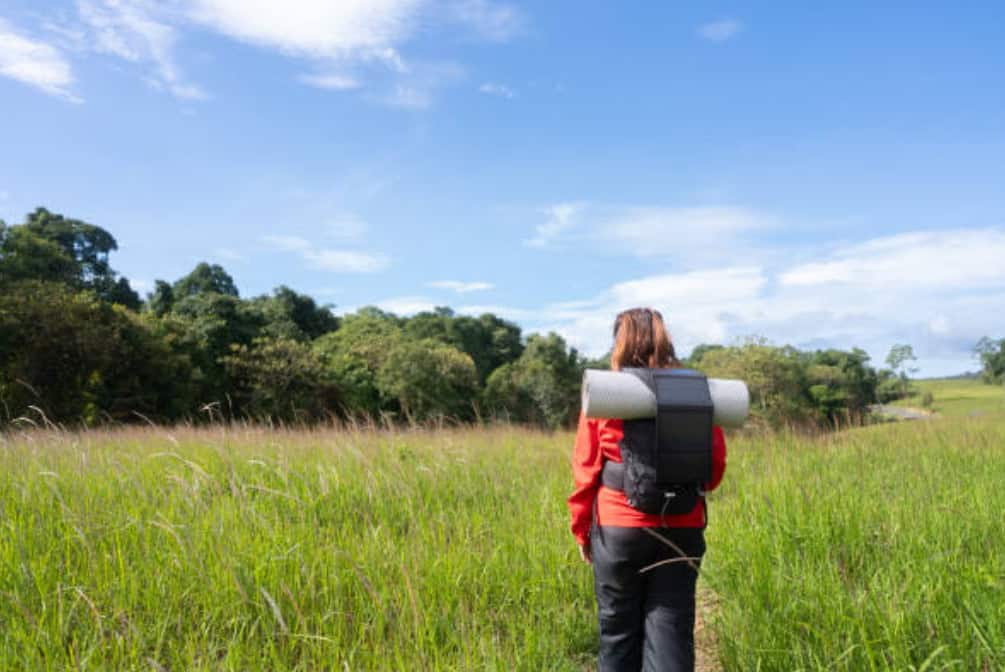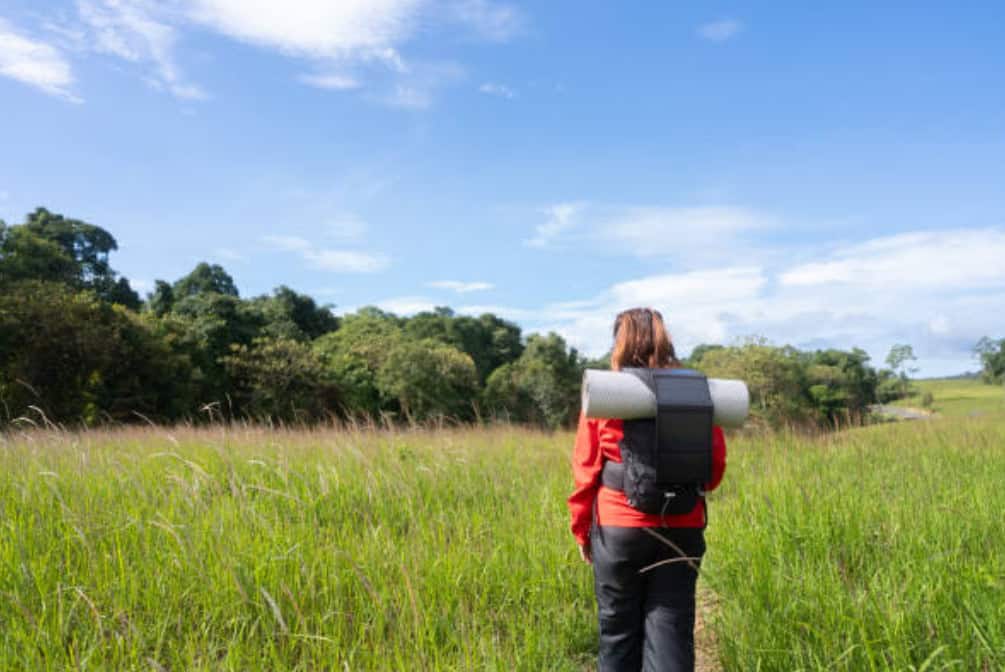
Camping is an opportunity to escape the chaos of everyday life and reconnect with nature. But let’s be honest—overpacking can quickly turn a relaxing getaway into a logistical nightmare. Minimalist camping is all about simplifying your gear, packing light, and focusing on what truly matters: the experience. By embracing a “less is more” mindset, you can make your adventures easier, more enjoyable, and less stressful.
Here’s how you can master the art of minimalist camping and thrive with less while creating enriching outdoor experiences.
Why Go Minimalist?
1. Less to Carry
Packing light means fewer heavy bags and less effort setting up camp. Whether you're hiking to a remote site or RVing, reducing the load makes every step (and mile) easier.
2. Focus on What Matters
With less clutter, you can concentrate on the beauty of nature and the joy of camping, instead of managing a pile of gear.
3. Save Money
Minimalist camping encourages using multipurpose items and investing in quality gear that lasts, saving you money in the long run.
4. Reduce Waste
Bringing fewer disposable items helps minimize your environmental impact, aligning with Leave No Trace principles.
How to Pack Light for Minimalist Camping
1. Plan Your Meals Carefully
Instead of hauling an entire pantry, focus on simple, easy-to-prepare meals that don’t require excessive cooking gear.
- Tips:
- Choose foods with multiple uses, like tortillas (for wraps or quesadillas).
- Bring lightweight, compact cooking tools, like a camping stove or collapsible cookware.
- Pack dehydrated meals for quick and mess-free preparation.
2. Choose Multifunctional Gear
Invest in items that serve more than one purpose to save space and weight.
- Examples:
- Sleeping Bag: Choose one with a temperature rating suited for your trip.
- Camping Towel: Use it for drying, as a picnic blanket, or even for extra warmth.
- Spork: A spoon-fork combo eliminates the need for separate utensils.
- Multi-Tool: A single tool with a knife, screwdriver, can opener, and scissors covers multiple needs.
3. Bring Compact and Lightweight Items
Modern camping gear is designed to be lightweight and space-saving. Upgrade old equipment to make your pack more efficient.
- Suggestions:
- Inflatable sleeping pads instead of bulky foam mats.
- A backpacking tent instead of a family-size tent.
- Packable down jackets that compress into small bags.
Minimalist Camping Essentials
Here’s a quick checklist of must-have items for minimalist campers:
- Shelter: Lightweight tent, tarp, or hammock with mosquito netting.
- Sleep System: Sleeping bag, compact pillow, and sleeping pad.
- Cooking Kit: Compact stove, fuel, multipurpose pot, utensils, and a reusable water bottle.
- Clothing: One set of weather-appropriate clothes, layers, and durable footwear.
- First Aid Kit: Compact kit with essentials like bandages, antiseptic, and pain relievers.
- Navigation Tools: Map, compass, or GPS device (even on short trips).
- Light Source: Headlamp or compact flashlight.
- Backpack: Sized appropriately for your trip length—small and efficient for short trips.
Tips for Thriving with Less
1. Pack for the Weather
Research the conditions of your destination to avoid unnecessary items. For example, skip the rain gear if the forecast is clear or leave heavy blankets behind in summer.
2. Practice Before You Go
Do a test run at home or in your backyard. Lay out your gear and try setting up your tent or cooking a meal with minimal supplies. This helps identify what you truly need.
3. Adopt the One-Bag Rule
Limit yourself to one backpack or duffel bag for everything you bring. This forces you to prioritize essentials and eliminate unnecessary items.
4. Borrow or Rent Gear
If you’re trying minimalist camping for the first time, borrow or rent items instead of buying new gear. This lets you experiment without committing to costly purchases.
5. Pack Only What You’ll Use
Resist the urge to bring “just in case” items. Stick to what you know you’ll need based on your trip itinerary and activities.
Mindset Shift: Embracing the Simple Life
Minimalist camping is not just about packing less—it’s about adopting a mindset that values simplicity. Here’s how to cultivate this mindset:
- Prioritize Experiences: Focus on hiking, stargazing, or spending quality time with companions instead of worrying about gear.
- Be Resourceful: Use natural materials, like rocks for anchors or sticks for cooking skewers, to reduce reliance on extra equipment.
- Find Joy in Solitude: Minimalist camping often leads to quieter, more serene moments where you can truly connect with nature.
Minimalism for Different Camping Styles
Tent Camping
- Use a lightweight, two-person tent to save space and pack weight.
- Choose campsites with picnic tables or fire pits to reduce the need for extra cooking and seating gear.
Backpacking
- Strip your gear down to the bare essentials.
- Use dehydrated meals to eliminate the need for heavy cookware and extra food items.
RV Camping
- Minimize clutter by storing only what you regularly use.
- Focus on items that enhance your outdoor experience, like a portable grill or folding chairs, rather than bringing excess decorations or appliances.
Final Thoughts
Minimalist camping isn’t about sacrificing comfort—it’s about finding freedom in simplicity. By focusing on what you truly need and letting go of the rest, you can create a more enriching and enjoyable camping experience. Whether you’re a seasoned camper or trying it for the first time, embracing the minimalist mindset will not only lighten your load but also deepen your connection to the great outdoors.
So pack light, explore more, and thrive with less—your next adventure awaits! 🌲🏕️✨