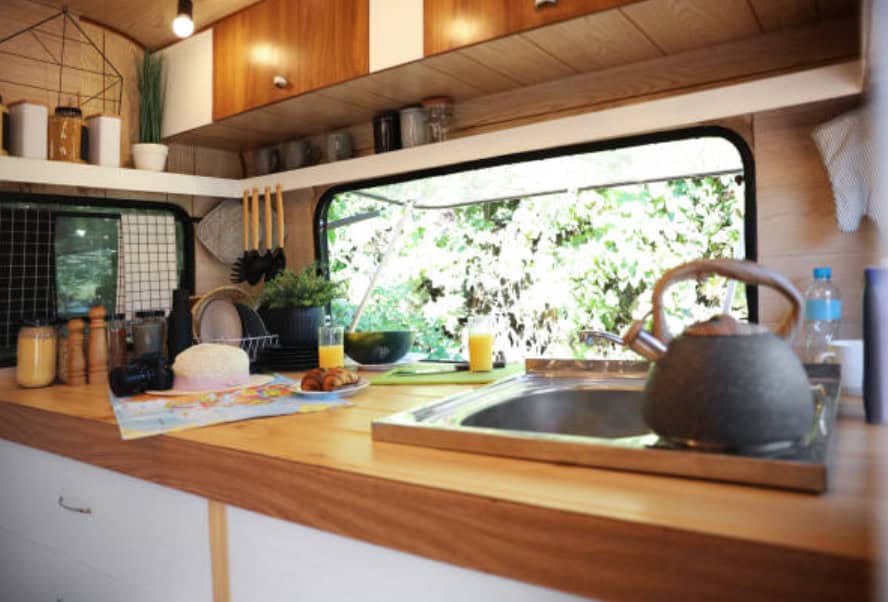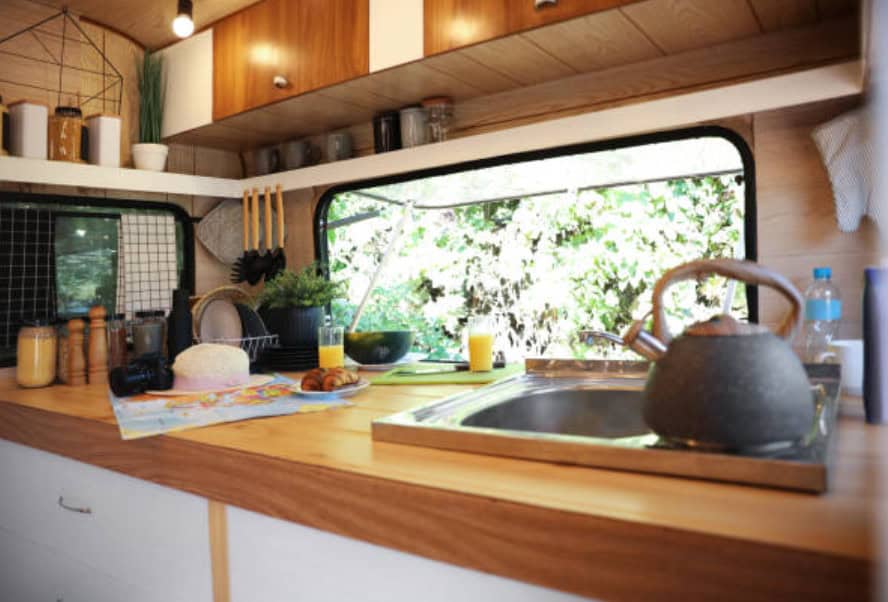
When you’re hitting the road for an extended RV adventure, having a well-stocked pantry is essential for saving money, eating well, and staying stress-free. Unlike a traditional kitchen, RVs have limited space, so smart planning is the key to keeping your pantry organized and functional. Whether you’re a seasoned traveler or planning your first long trip, here’s how to stock your RV pantry with everything you’ll need.
1. Think About Your Trip and Menu
Before you start filling your pantry, think about the type of trip you’re taking and the meals you’ll want to make.
- Length of the Trip: Stock enough food for the duration of your trip, or plan stops to restock along the way.
- Type of Cooking: Will you be cooking on a stovetop, in an oven, or with a grill? Your equipment will influence what you need.
- Dietary Needs: Consider any dietary restrictions or preferences, such as gluten-free or vegetarian meals.
Pro Tip: Create a rough meal plan for the week, including breakfast, lunch, dinner, and snacks. This will help you avoid overpacking or forgetting essentials.
2. Prioritize Non-Perishable Foods
Non-perishable items are the backbone of any RV pantry because they’re long-lasting, easy to store, and versatile.
Canned Goods:
- Beans (black, kidney, chickpeas)
- Soups and stews
- Tuna, chicken, or salmon
- Diced tomatoes or tomato paste
Dry Goods:
- Pasta, rice, and quinoa
- Oatmeal or instant cereals
- Flour and baking mixes (pancakes, biscuits)
- Dried fruits (raisins, apricots, cranberries)
- Nuts and seeds
Shelf-Stable Staples:
- Peanut butter or other nut butters
- Cooking oils (olive oil, vegetable oil)
- Vinegar (for dressings and marinades)
- Honey or maple syrup
- Coffee and tea
Pro Tip: Use stackable containers to organize dry goods and keep them fresh.
3. Add Fresh Items That Travel Well
While fresh food is more perishable, certain items have a longer shelf life and are perfect for RV trips.
Fruits and Vegetables:
- Apples, oranges, and bananas
- Potatoes, sweet potatoes, and onions
- Carrots, celery, and bell peppers
- Garlic and ginger
Dairy and Protein:
- Hard cheeses (cheddar, parmesan)
- Yogurt (individual cups are easy to store)
- Eggs (store in a secure container to avoid breaking)
- Packaged deli meats or vacuum-sealed proteins
Pro Tip: Rotate fresh items to use them before they spoil, starting with the most perishable foods.
4. Stock Quick and Easy Meals
There will be times when you don’t feel like cooking a full meal, so having convenient options on hand is a lifesaver.
- Instant noodles or ramen
- Boxed mac and cheese
- Instant mashed potatoes
- Canned chili or ready-made meals
- Pre-cooked rice or quinoa packets
Pro Tip: Pair quick meals with fresh or frozen veggies to make them healthier and more satisfying.
5. Don’t Forget Snacks
Snacks are essential for road trips, hikes, or just relaxing by the campfire.
- Granola bars or protein bars
- Trail mix or mixed nuts
- Popcorn (microwave or stovetop)
- Crackers and cheese
- Chips and salsa
Pro Tip: Divide snacks into single-serving portions to avoid overindulging and make them easier to grab on the go.
6. Keep Pantry Essentials for Cooking
Even simple meals require basic pantry staples. These items will help you whip up a variety of dishes:
- Salt, pepper, and other spices (paprika, garlic powder, cumin, etc.)
- Sugar (white, brown, or a substitute)
- Broth or bouillon cubes
- Baking soda and baking powder
- Soy sauce, hot sauce, and condiments (ketchup, mustard)
Pro Tip: Use small spice containers or a spice rack designed for RVs to save space.
7. Plan for Drinks
Hydration is important on the road, so stock up on your favorite beverages.
- Bottled water or a water filtration system
- Juice boxes or powdered drink mixes
- Shelf-stable milk or plant-based alternatives (almond, oat, or soy milk)
- Beer, wine, or other adult beverages (if applicable)
Pro Tip: A reusable water bottle or insulated thermos is great for reducing waste and keeping drinks at the perfect temperature.
8. Store Everything Safely
An RV pantry isn’t just about what you pack—it’s about how you store it.
- Use Bins and Containers: Stackable and airtight containers keep food fresh and prevent spills.
- Secure Items: Use non-slip shelf liners and tension rods to keep everything in place while driving.
- Label Everything: Clear labels make it easy to find what you need without digging through the pantry.
Pro Tip: Avoid glass containers when possible, as they’re more likely to break in transit.
9. Plan for Restocking
Even with careful planning, you’ll need to restock during a long trip.
- Local Stores: Visit local grocery stores or farmers’ markets for fresh produce and regional specialties.
- Online Orders: If you’re staying in one spot for a while, consider having supplies delivered to your campground.
- Bulk Stores: Membership stores like Costco can be great for stocking up before a trip.
Pro Tip: Keep an inventory of your pantry so you know what to replenish without overbuying.
10. Be Flexible and Have Fun
No two RV trips are the same, and your pantry should reflect your unique travel plans and preferences.
- Experiment with Recipes: Try new dishes based on the ingredients you have.
- Adjust to Your Needs: If you find yourself always running out of certain items, stock more next time.
- Share the Load: If you’re traveling with friends or family, split pantry duties to save space and share resources.
Final Thoughts
A well-stocked RV pantry is the foundation of stress-free, enjoyable travel. By planning carefully, organizing your space, and packing versatile ingredients, you’ll be ready to cook up delicious meals no matter where the road takes you. So load up your pantry, hit the road, and savor every moment of your RV adventure!
Safe travels and happy cooking! 🚐🍳