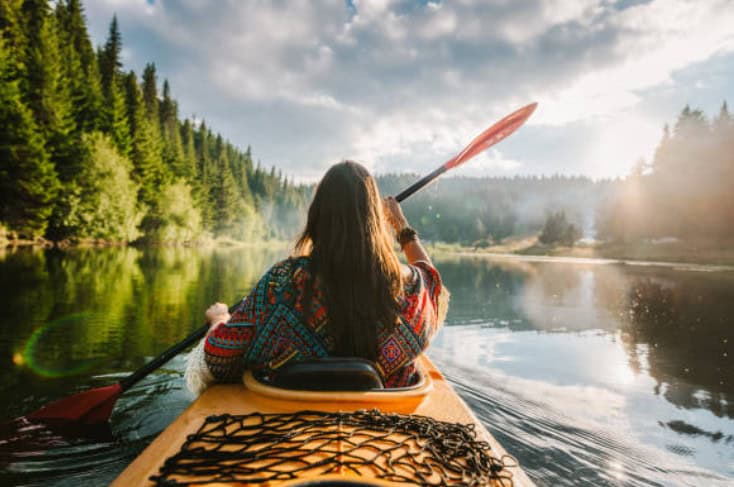
Camping alone can feel like an exciting adventure—just you, nature, and the quiet sounds of the outdoors. It’s a chance to take a break from the busy world and enjoy some peace and self-reflection. But solo camping also means you need to be extra prepared and cautious since you won’t have anyone with you to help in an emergency. Don’t worry, though! With the right tips and planning, you can have a safe, fun, and unforgettable solo camping experience.
Here’s a fun and easy guide to staying safe while camping alone, so you can enjoy every moment of your adventure.
Why Go Solo Camping?
Solo camping is a special kind of getaway. It’s a chance to:
- Relax: You get to enjoy the quiet without distractions.
- Challenge Yourself: You’ll learn to rely on your skills and instincts.
- Reconnect with Nature: Spend as much time as you want exploring the outdoors.
- Do What You Love: Hike, read, stargaze—whatever makes you happy, on your own time.
But before you pack your gear and head out, let’s make sure you’re ready to handle the challenges that come with camping alone.
1. Plan Ahead
Choose the Right Campsite
Pick a campsite that matches your experience level. For your first solo trip, stick to a well-known campground with other campers nearby. It’s safer and will make you feel more comfortable.
Pro Tip: Look for campgrounds with amenities like restrooms, fire pits, and nearby hiking trails to keep things simple.
Check the Weather
Always check the weather forecast before you go. Rainstorms or high winds can make camping tricky, especially if you’re by yourself. Be prepared with the right clothing and gear for any weather.
Research Wildlife
Find out what animals live in the area you’re visiting. This helps you know how to stay safe and avoid unwanted animal encounters.
2. Pack Smart
When camping solo, packing the right gear is super important. You’ll need to be self-sufficient, so here’s a list of must-haves:
- Tent and Sleeping Bag: A sturdy, easy-to-set-up tent and a warm sleeping bag.
- First Aid Kit: Include bandages, antiseptic, pain relievers, and any personal medications.
- Food and Water: Pack enough meals and snacks for your trip. Bring a water filter or purification tablets just in case.
- Light Sources: Headlamp, flashlight, and extra batteries.
- Navigation Tools: A map, compass, or GPS device—even if you think you know the area.
- Fire Supplies: Matches, a lighter, and fire starters.
- Multi-Tool or Knife: For cooking, repairs, or emergencies.
Pro Tip: Keep your gear organized so you can find things quickly when you need them.
3. Tell Someone Your Plans
Before heading out, always let a friend or family member know:
- Where you’re going.
- When you plan to arrive and leave.
- Your route and any backup plans.
This way, if something goes wrong, they can alert authorities to come help you.
4. Set Up Your Campsite Safely
Pick a Good Spot
Choose a flat, dry area to pitch your tent. Avoid camping under trees with large branches that could fall, and stay away from rivers or streams that might flood.
Store Food Properly
Wild animals like raccoons and bears have excellent noses for food. Store your food in a bear-proof container or hang it from a tree far from your campsite.
Pro Tip: Never keep food inside your tent—it’s an open invitation for curious critters!
5. Stay Aware of Your Surroundings
Keep an Eye Out
Always be aware of what’s happening around you. Listen for unusual sounds and look out for changes in the environment, like weather shifts or animal tracks.
Don’t Wander Off Without a Plan
If you go hiking, stick to marked trails and carry your map or GPS. Make note of landmarks so you can find your way back to camp easily.
6. Stay Safe at Night
The nighttime sounds of the forest can be a little spooky, but don’t worry—it’s just nature doing its thing! Here’s how to stay safe after dark:
- Keep Your Fire Small: A small campfire is enough for warmth and light. Don’t leave it unattended, and always extinguish it before sleeping.
- Lock Up Your Gear: Keep your backpack, tools, and valuables inside your tent or in a secure spot.
- Trust Your Instincts: If something doesn’t feel right, don’t hesitate to pack up and move to a different spot.
Pro Tip: A headlamp is your best friend at night, keeping your hands free while you navigate the campsite.
7. Be Ready for Emergencies
First Aid Basics
Know how to treat common camping injuries, like cuts, blisters, or minor burns. A simple first-aid guide can be a lifesaver.
Have a Communication Backup
Carry a fully charged phone or a personal locator beacon (PLB) for emergencies. In remote areas, a PLB can send your location to rescuers even without cell service.
Stay Calm
If something unexpected happens, take a deep breath and assess the situation. Staying calm helps you think clearly and make the right decisions.
8. Enjoy the Experience
Solo camping isn’t just about safety—it’s about having fun and making memories! Here are a few ways to make your trip special:
- Journal Your Adventure: Write down your thoughts, sketch the scenery, or record wildlife you spot.
- Try Something New: Bring a book you’ve been meaning to read or learn a new skill, like fire-starting or star navigation.
- Appreciate the Silence: Take time to soak in the peace and quiet—it’s a rare gift in our busy lives.
9. Learn from Each Trip
After your trip, reflect on what worked and what didn’t. Did you pack too much? Forget something important? Use each adventure to improve and build confidence for the next one.
Final Thoughts
Solo camping is a chance to challenge yourself, connect with nature, and find joy in your own company. With the right planning, preparation, and mindset, it can be one of the most rewarding experiences of your life. So pack your gear, trust your instincts, and get ready to explore the great outdoors—just you and the wilderness.
Happy camping! 🌲🏕️✨