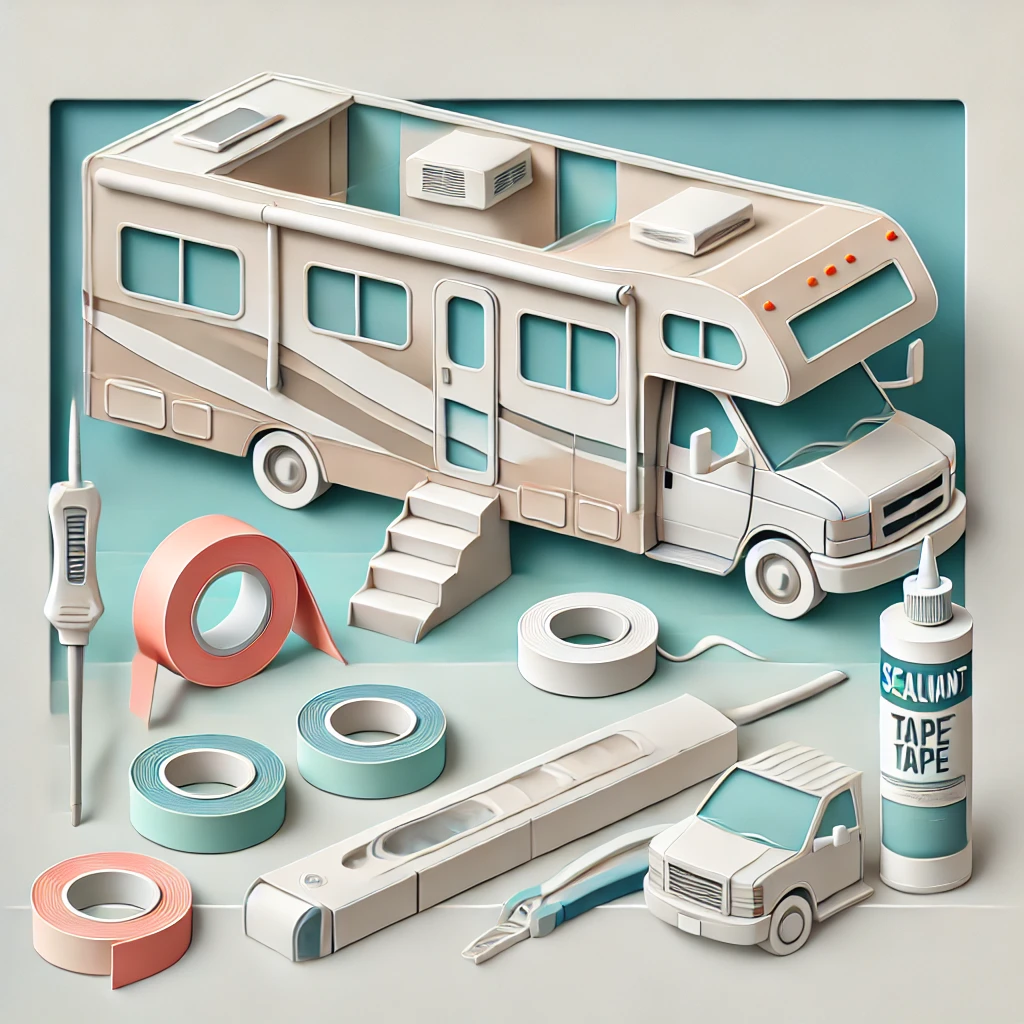
Picture this: you're cruising down the highway, the wind in your hair, and the freedom of the open road ahead. Suddenly, a rainy day or a leaky spot on your RV roof threatens to turn your dream adventure into a soggy nightmare. Don’t worry—keeping your RV sealed and watertight isn’t rocket science, but it is essential.
Water damage is one of the most common issues RV owners face, and it can sneak up on you if you’re not careful. The good news? A little maintenance goes a long way in protecting your investment and keeping your RV looking—and functioning—like new. Let’s dive into some fun, practical, and relatable tips for sealing the deal on your RV’s structural integrity.
1. Know Your Enemy: Water Damage 101
Water might be great for drinking and swimming, but it’s the ultimate nemesis of your RV. Even the tiniest crack or seam can allow moisture to creep in, leading to:
- Mold and mildew (eww!)
- Rotting wood that weakens your RV’s structure
- Ruined interiors that cost big bucks to repair
The best way to fight water damage? Stop it before it starts.
2. Do a Walk-Around: Inspect Like a Pro
Think of your RV as your trusty sidekick. You wouldn’t ignore a sidekick in need, would you? Take a walk around your rig and look for signs of trouble, like:
- Cracked seals around windows, doors, and vents
- Peeling or dried-out caulking on the roof
- Bubbling or soft spots on walls or ceilings
Pro Tip: Do this inspection at least twice a year—once before hitting the road in spring and again before winter storage.
3. Choose Your Weapon: Sealants and Tools
When it comes to sealing up your RV, you’ve got options. Not all sealants are created equal, so pick the right one for the job:
- Dicor Lap Sealant: Perfect for RV roofs, it stays flexible and lasts a long time.
- EternaBond Tape: Think of it as the duct tape of the RV world—strong, reliable, and easy to apply.
- Silicone Caulk: Great for small fixes but avoid using it on surfaces that flex or move, like your RV roof.
Pro Tip: Keep a small “sealant kit” in your RV with everything you need for quick fixes. You’ll thank yourself later.
4. Roof Love: Treat It Like Royalty
Your RV’s roof is its first line of defense against rain, snow, and everything in between. Treat it well with these steps:
- Clean It Regularly: Use mild soap and water to clear off debris, dirt, and tree sap.
- Apply a Roof Sealant: Check for cracks or gaps and patch them with the right sealant.
- Cover It When Not in Use: Invest in an RV cover or park under a carport to protect it from the elements.
Pro Tip: Get on a ladder (safely!) and inspect your roof after every long trip. It’s better to catch a small crack now than a big leak later.
5. Don’t Forget the Slides and Doors
Slides and doors are like your RV’s joints—they need a little extra TLC to stay functional and watertight.
- Lubricate Seals: Use a silicone-based spray to keep rubber seals soft and pliable.
- Check Slide-Out Corners: These are prone to leaks, so make sure they’re properly aligned and sealed.
- Replace Worn-Out Gaskets: If the rubber is brittle or cracked, swap it out for new ones.
6. A Little Water Test Goes a Long Way
Want to see if your RV is truly watertight? Do a simple water test:
- Grab a hose (or wait for a rainy day).
- Spray water over your RV, focusing on seams, windows, and doors.
- Check the inside for any sneaky drips or damp spots.
Pro Tip: Enlist a friend or family member to help. One sprays while the other inspects!
7. Prevention is Your Best Friend
The best way to deal with water damage? Avoid it altogether. Here are a few habits to adopt:
- Park Smart: Choose spots with good drainage and avoid parking under low-hanging tree branches that can damage your roof.
- Cover Seams and Cracks Early: Don’t wait until you see water inside—seal up any vulnerabilities right away.
- Invest in a Dehumidifier: This keeps moisture levels down inside your RV, preventing mold and mildew from forming.
8. When to Call in the Experts
Sometimes, the damage might be beyond a DIY fix. If you notice:
- Persistent leaks even after resealing
- Significant mold growth
- Structural issues like sagging walls or ceilings
…it’s time to call in a professional. Think of it as giving your RV the spa day it deserves.
9. Celebrate Your Leak-Free Life
Once your RV is sealed tight, you can hit the road with confidence! Knowing your home on wheels is protected from water damage means more time for adventure and less time worrying about repairs.
Remember, a little effort now can save you from big headaches (and expenses) down the road. So grab your sealant, do a little dance, and toast to a leak-free RV life. Cheers to your next great adventure!