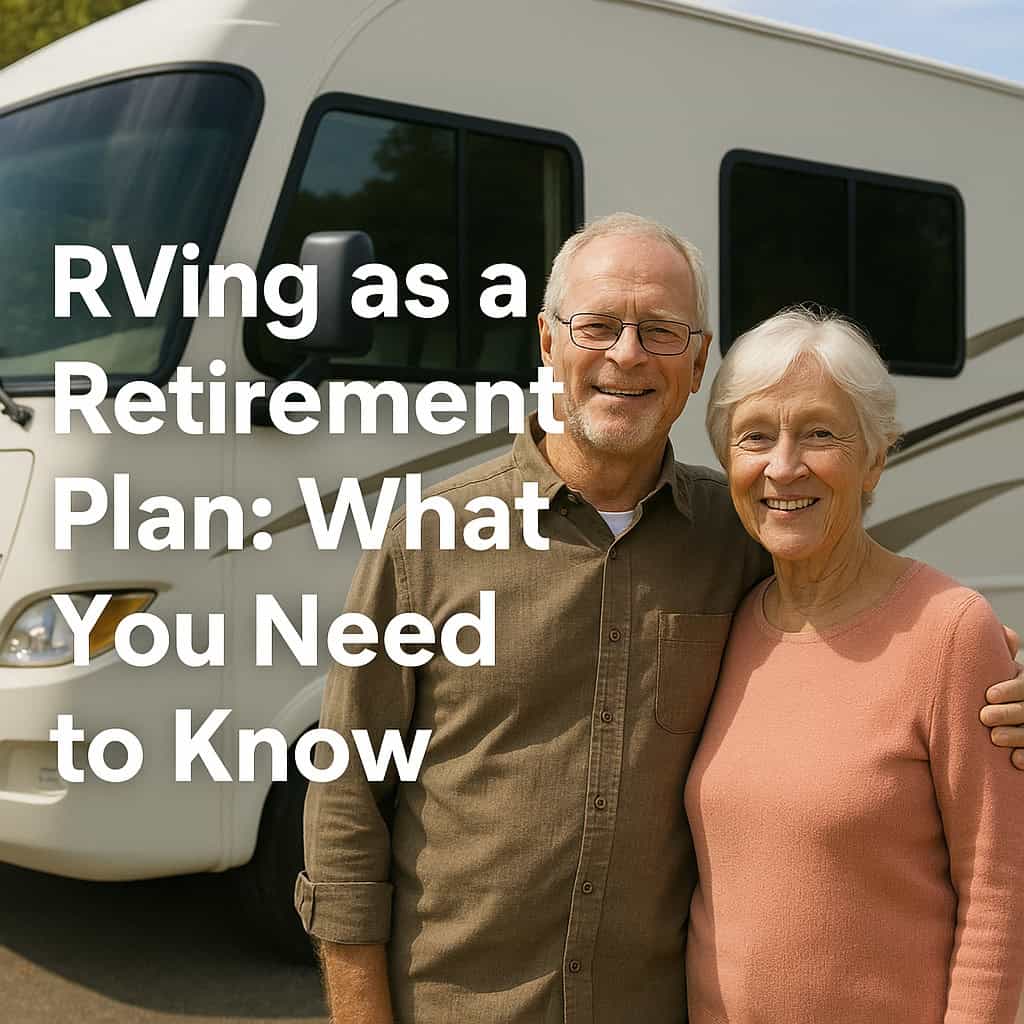
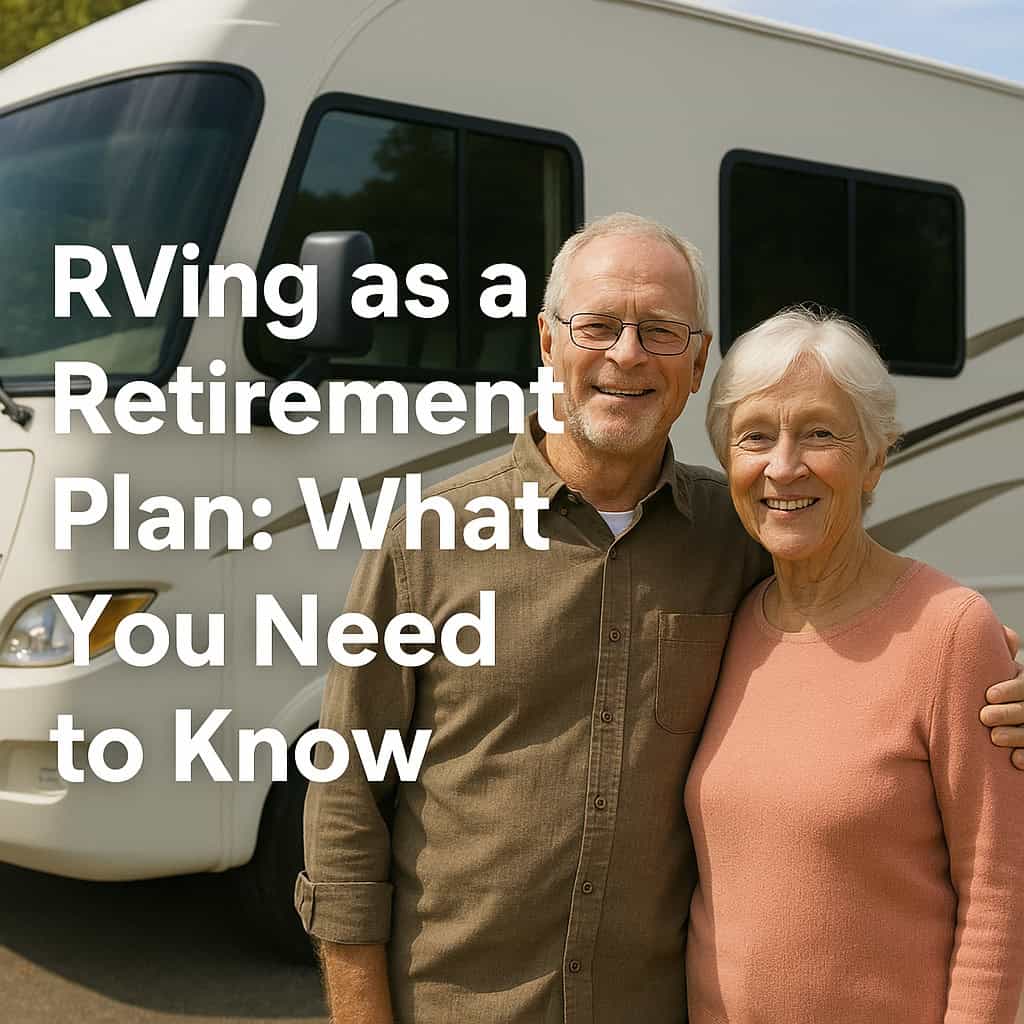
For many people, retirement used to mean staying home, planting a garden, and maybe traveling once or twice a year.
But today? More and more people are choosing the open road as their retirement plan.
RV life can be fun, affordable, and full of freedom. But like anything, it takes good planning and honest thinking to make it work.
Here’s what you need to know if you’re thinking about RVing in retirement.
🚐 Why RVing Appeals to Retirees
-
You can travel on your own time
-
No need to worry about airports or hotels
-
You have your home with you wherever you go
-
It's a simpler lifestyle with fewer things to manage
-
You can visit family, friends, or new places easily
Some retirees RV full-time. Others travel part-time or a few months a year. There’s no “right” way to do it—it’s all about what works for you.
💰 What About the Cost?
RVing can be cheaper than owning a house—but it depends on how you do it.
Costs to Think About:
-
Buying an RV (or converting a van or trailer)
-
Campsite fees (some are cheap, others pricey)
-
Gas and maintenance
-
Insurance and registration
-
Food, phone, and health costs
✅ Many retirees save money by:
-
Staying at free or low-cost campgrounds
-
Traveling slowly to use less gas
-
Cooking at home in their RV
-
Joining campground discount clubs
🏡 What About Your House?
You have a few choices:
-
Sell it and use the money for your RV life
-
Rent it out for extra income while you travel
-
Keep it as a home base and travel part-time
Each option has pros and cons. It depends on your money, comfort level, and plans for the future.
🏥 Healthcare on the Road
This is important! Make sure you:
-
Know how your health insurance works in different states
-
Have a plan for getting prescriptions
-
Keep a list of your doctors and medical info
-
Stay near cities or clinics if you have health needs
✅ Tip: Some RVers pick a “home base state” like Florida, Texas, or South Dakota for tax and insurance reasons.
📬 How Do You Get Mail?
You’ll need a mail-forwarding service. They collect your mail and send it to wherever you’re camping next—or scan it so you can see it online.
Some popular ones also help with:
-
DMV paperwork
-
Voting
-
Residency requirements
💻 Staying Connected
You’ll want internet and phone service to:
-
Talk to family
-
Handle banking or health stuff
-
Watch shows or listen to music
-
Look up maps, weather, and campgrounds
✅ Many RVers use:
-
Hotspots or mobile data
-
Cell boosters
-
Campground Wi-Fi (though it’s often slow!)
🧠 Questions to Ask Yourself
-
Do I enjoy change, or do I like routine?
-
Can I live in a small space?
-
Do I want to travel full-time or part-time?
-
Am I okay being far from family sometimes?
-
How do I handle repairs or problems on the road?
RVing isn’t for everyone—but for many, it’s a dream come true.
🧡 Final Thoughts
Retiring into RV life means choosing adventure over comfort, freedom over routine, and the road over the rocking chair.
If that sounds exciting, you're not alone. Thousands of retirees are doing it right now—and loving it.
Just take time to plan, be realistic, and get ready for the journey of a lifetime. 🚐🌄