Embarking on your first RV trip is an exciting adventure, but planning it can be a bit overwhelming, especially if you're new to the world of recreational vehicles. The good news is that with careful planning and organization, you can set off on a memorable journey with confidence. In this step-by-step guide, we'll break down the process of planning your first RV trip, making it accessible and enjoyable for beginners.
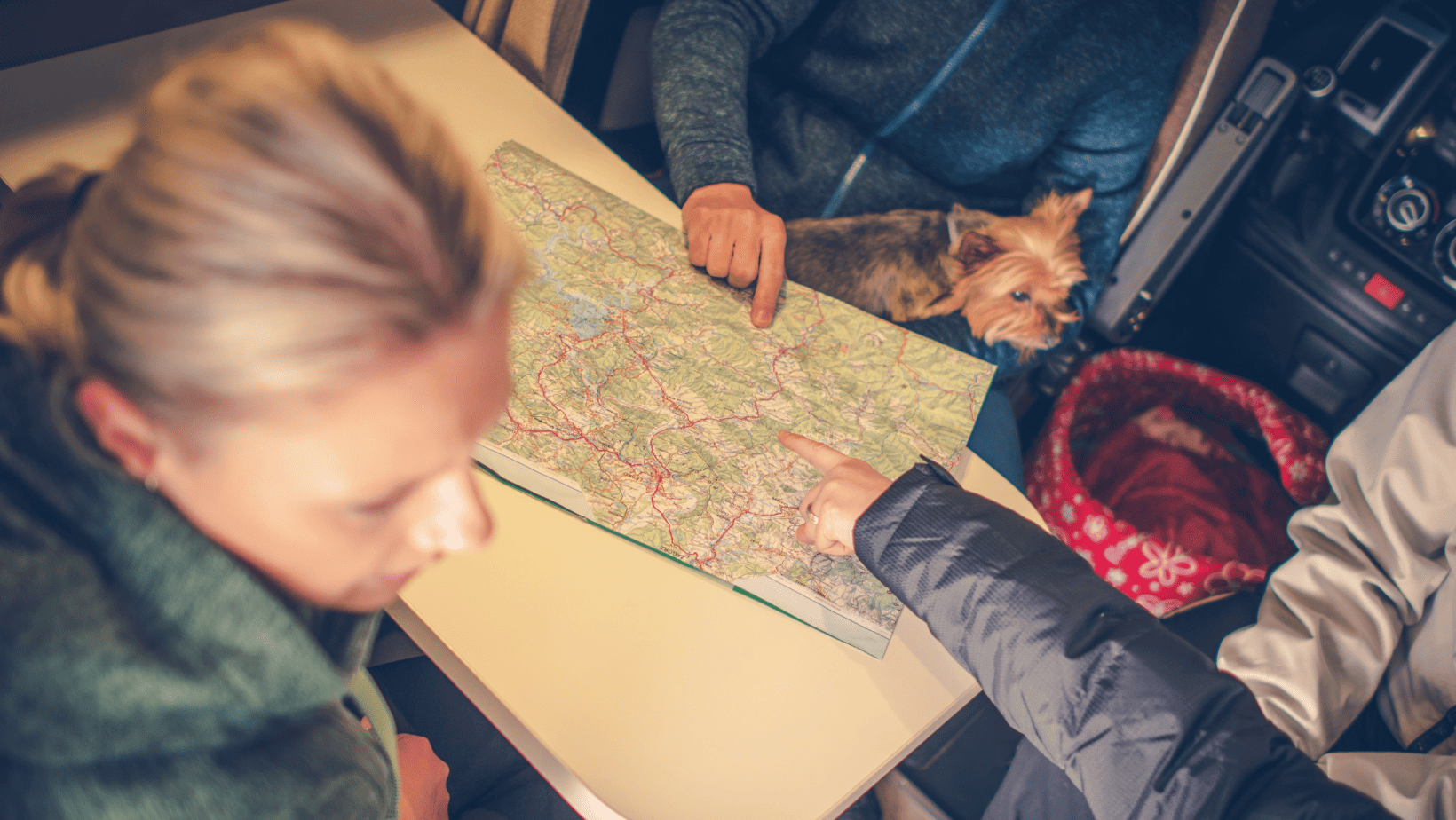
Step 1: Determine Your Destination
- Research Destinations: Start by researching potential RV destinations that align with your interests and preferences. Consider factors like scenery, activities, and proximity to amenities.
- Set a Distance: Decide how far you're willing to travel in a day to reach your destination comfortably.
Step 2: Choose Your RV
- Rent or Own: Decide whether you'll rent an RV or use your own. If renting, reserve your RV well in advance.
- RV Size: Select an RV size that accommodates your group comfortably and suits your travel style.
Step 3: Plan Your Route
- Mapping Tools: Use RV-specific GPS or navigation apps to plan your route. These tools consider RV-friendly roads and campgrounds.
- Campground Reservations: Research and book campgrounds along your route, especially during peak travel seasons.
Step 4: Pack Wisely
- Essential Gear: Create a packing list that includes RV essentials like bedding, kitchen supplies, and safety equipment.
- Personal Items: Don't forget personal items like clothing, toiletries, and entertainment.
Step 5: Prepare Your RV
- RV Inspection: Conduct a thorough inspection of your RV, checking for any maintenance issues or needed repairs.
- Stock Supplies: Ensure your RV is stocked with necessary supplies like water, propane, and fuel.
Step 6: Budget and Expenses
- Budget: Set a budget for your trip, considering expenses like fuel, campground fees, and food.
- Emergency Fund: Allocate funds for unexpected expenses or emergencies.
Step 7: Safety and Security
- Safety Checks: Confirm that safety features like smoke detectors and fire extinguishers are in working order.
- Secure Valuables: Keep valuables secure and out of sight while parked at campgrounds.
Step 8: Hit the Road
- Departure Checklist: Create a departure checklist to ensure nothing is forgotten when leaving your home or campsite.
- Drive Safely: Follow safe driving practices for RVs, including observing speed limits and staying alert.
Step 9: Enjoy Your Trip
- Stay Flexible: Be open to changes in your itinerary and spontaneous detours.
- Meet Fellow RVers: Interact with fellow campers and RV enthusiasts to share experiences and tips.
Step 10: Document Your Journey
- Keep a Travel Journal: Document your trip with a travel journal, photos, and videos to cherish the memories.
- Review and Reflect: After your trip, review what went well and what could be improved for future adventures.