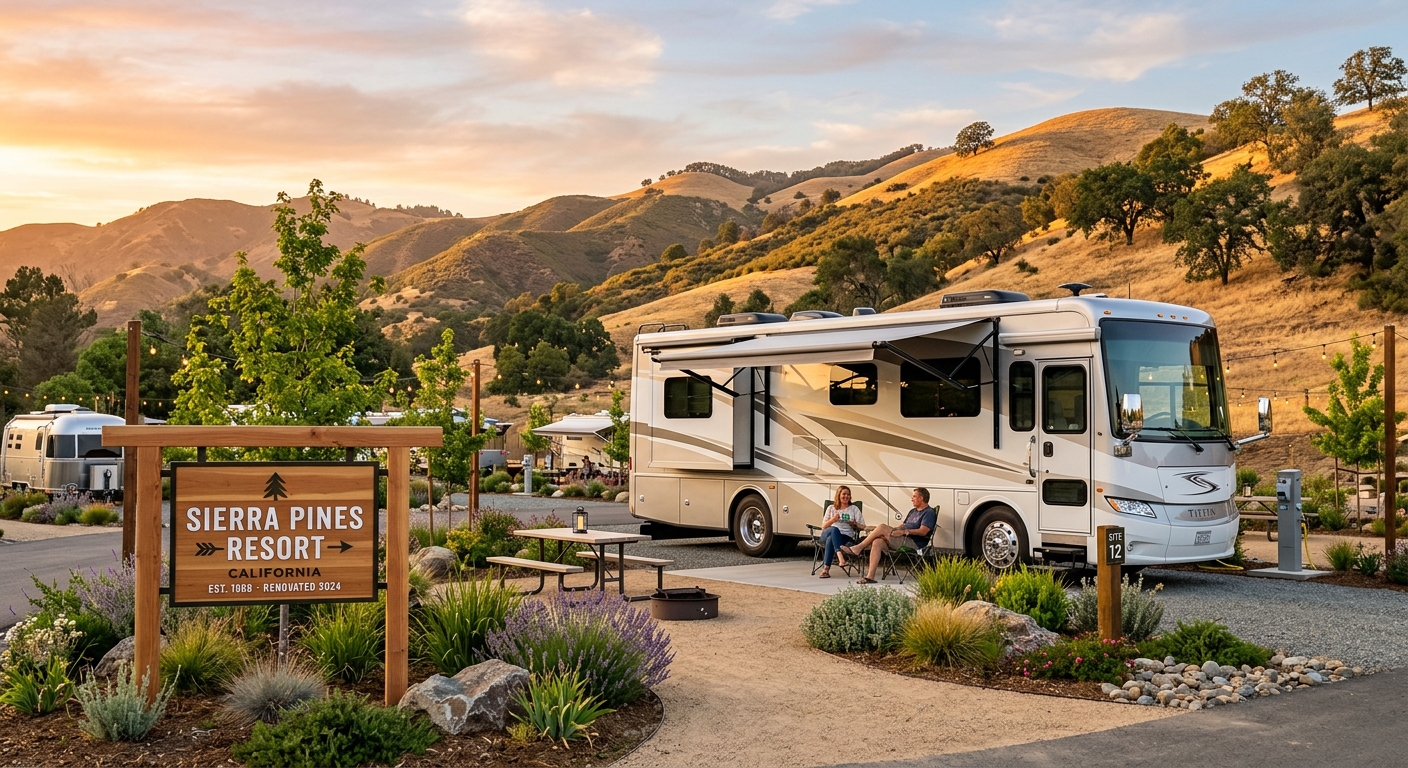
The Changing Landscape of RV Parks: What Campers Need to Know
If you've been following camping industry news lately, you may have noticed a steady stream of headlines about RV parks and campgrounds changing hands. Brokerage firms like NAI Outdoor Hospitality are actively closing deals across the country — including recent acquisitions of California parks — signaling that the outdoor hospitality industry is hotter than ever. But what does all this buying and selling actually mean for you, the camper?
Whether you're a full-time RVer mapping out your next six months on the road or a weekend warrior with a handful of favorite spots, campground ownership changes can have a real impact on your experience. Let's break down what to watch for — and how to stay one step ahead.
Why Are So Many Campgrounds Changing Hands?
The outdoor hospitality sector has seen explosive investor interest since the pandemic-era camping boom. Private equity groups, real estate investment trusts, and experienced outdoor hospitality operators are all competing to acquire campgrounds, especially in high-demand states like California, Colorado, and Florida. The appeal is obvious: Americans are camping in record numbers, and well-run parks generate strong, recurring revenue.
For investors, a campground isn't just a piece of land — it's a lifestyle business with a loyal customer base. That's good news for the industry's long-term health. But for campers, transitions in ownership can mean anything from exciting upgrades to unexpected price increases.
How Ownership Changes Can Affect Your Stay
Not all campground sales are created equal. Here's what typically happens when a park changes hands:
- Renovations and Upgrades: New owners often invest heavily in infrastructure — think better hookups, upgraded bathhouses, faster Wi-Fi, and new amenities. This can be a fantastic improvement for campers who've watched a beloved park age without maintenance.
- Rate Changes: Unfortunately, acquisition costs get passed along. Don't be surprised if nightly or monthly rates climb after a sale, especially in high-demand markets like coastal California.
- Policy Shifts: Pet policies, rig length restrictions, and reservation rules can all change under new management. Always double-check the current policies before booking a park you've visited before.
- Rebranding: Some parks get folded into larger chains or resort networks, which changes the overall vibe from a quirky, independent campground to a more standardized experience.
Tips for Full-Time RVers Navigating a Shifting Market
If you live on the road full-time, campground instability can feel particularly stressful. Here are some strategies to keep your travels smooth no matter what's happening in the ownership market:
1. Read Recent Reviews — Not Just Old Ones
A campground that earned glowing reviews two years ago may have changed significantly since a new owner took over. Always filter for the most recent reviews and pay close attention to comments about pricing, maintenance, and staff attitudes. CampgroundViews.com is a great resource here — the platform's user-generated reviews and virtual tours give you an authentic, up-to-date look at what to expect before you ever pull through the gate.
2. Explore Virtual Tours Before You Book
With over 3,600 virtual tours available on CampgroundViews.com, you can scope out site conditions, road widths, and amenities from the comfort of your current campsite. This is especially valuable when a park has recently changed hands and the online listing photos haven't caught up with reality yet.
3. Diversify Your Go-To Campgrounds
Full-timers who rely on just one or two parks for long-term stays are most vulnerable to ownership-related disruptions. Build a broader list of trusted parks across your travel regions so you always have backup options ready.
4. Join Camping Communities for Real-Time Intel
Fellow campers are your best early-warning system. Online forums, Facebook groups, and review platforms buzz with chatter the moment a beloved park starts going downhill — or turns a corner for the better.
The Silver Lining: More Investment Means Better Campgrounds
It's easy to feel nostalgic for the scrappy, family-run campgrounds of decades past. But increased investment in outdoor hospitality also means more parks are getting the capital they need to modernize aging infrastructure, add accessible facilities, and create truly memorable guest experiences. The key is staying informed, flexible, and connected to the camping community.
Use tools like CampgroundViews.com to keep your campground knowledge current, and you'll always be ready to find your next perfect home base — no matter who owns it.