Owning an RV is an exciting venture, offering the freedom to hit the open road and explore countless destinations. However, the question of whether you need an RV cover often arises among RV enthusiasts. In this comprehensive guide, we'll explore the pros and cons of using an RV cover and help you determine whether it's a necessary investment for your recreational vehicle.
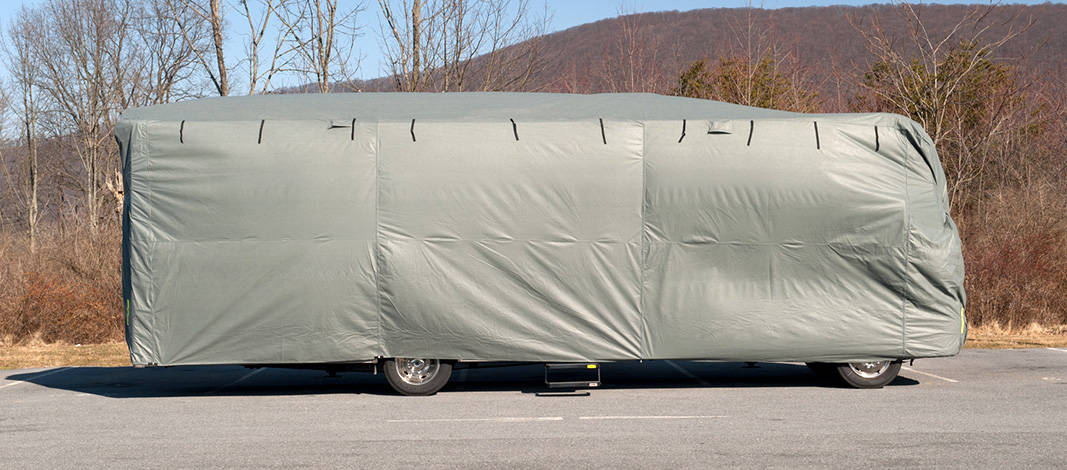
The Benefits of an RV Cover
- Protection from the Elements: An RV cover shields your vehicle from harsh weather conditions, including rain, snow, UV rays, and bird droppings, preventing potential damage.
- Preservation of Aesthetics: UV rays can fade paint, decals, and trim on your RV. A cover helps maintain your RV's visual appeal.
- Prevention of Roof Damage: RV covers protect the roof membrane from damage caused by UV exposure, reducing the risk of leaks.
- Avoiding Interior Heat: Covers can help regulate the interior temperature, reducing the need for excessive air conditioning in hot climates.
Factors to Consider
1.
Storage Location:
- Where you store your RV plays a significant role. If your RV is parked under trees, near the coast, or in an area with extreme weather, a cover may be more beneficial.
2.
Frequency of Use:
- If you frequently use your RV, covering and uncovering it can be inconvenient. Covers are more practical for RVs in long-term storage.
3.
RV Size and Type:
- The size and type of your RV matter. Smaller RVs are easier to cover, while larger ones may require multiple people.
4.
Budget:
- RV covers come in various price ranges. Consider your budget and whether the investment aligns with your priorities.
Types of RV Covers
- Universal Fit Covers: These are budget-friendly but may not offer a tailored fit.
- Semi-Custom Covers: Designed for specific RV models, these provide a better fit but may be pricier.
- Custom Covers: Tailored to your RV's exact specifications, custom covers offer the best fit and protection but come at a premium cost.
Alternatives to Covers
- RV Shelters: Installing an RV shelter or carport protects without the hassle of covering and uncovering.
- Indoor Storage: Storing your RV indoors in a climate-controlled facility offers the highest level of protection.
- Regular Maintenance: Consistent RV maintenance, including roof inspections and resealing, can mitigate the need for a cover.
The decision to use an RV cover ultimately depends on your circumstances and priorities. While covers offer valuable protection against the elements and can extend the life of your RV, they may not be practical for everyone. Assess factors like your storage location, RV type, and budget to determine whether an RV cover aligns with your needs.
Remember that regular maintenance and proper storage options can also play a significant role in preserving your RV's condition. Whether you choose an RV cover, shelter, or indoor storage, the key is to protect your investment and enjoy countless adventures on the open road. Your RV journey should be defined by freedom and exploration, and the choice of using an RV cover should enhance your experience, not hinder it.