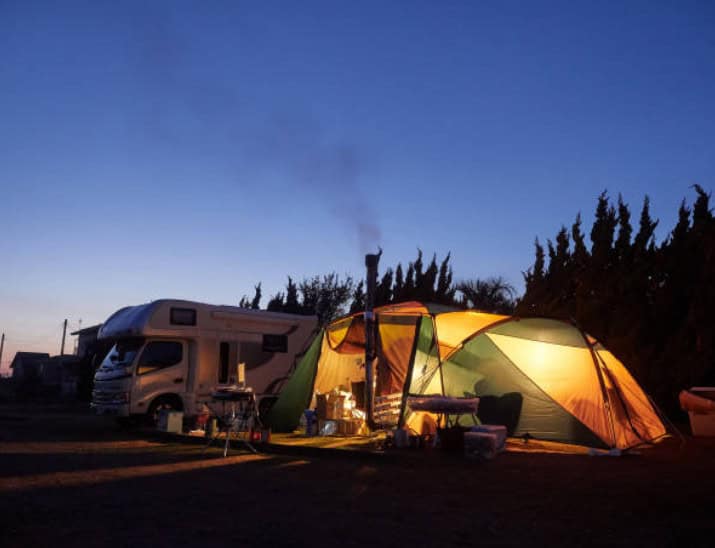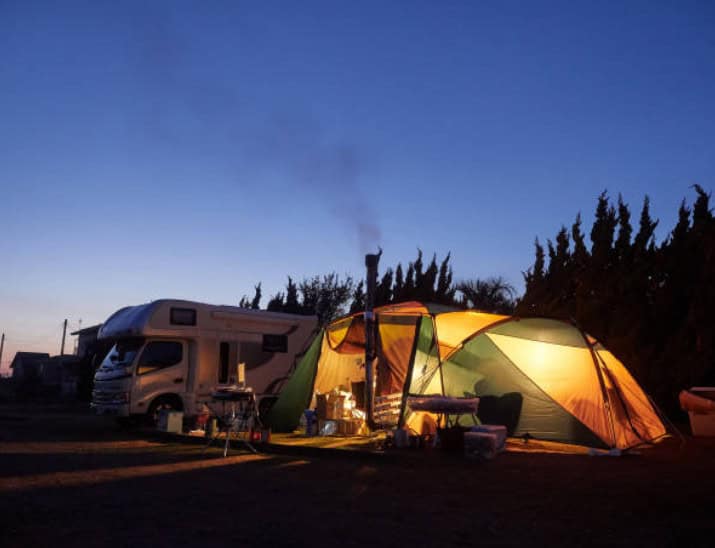
When it comes to camping, you’ve got two classic options: RV camping and tent camping. Both offer the chance to connect with nature, escape everyday life, and make lasting memories. But they’re also vastly different experiences. If you’re a non-camper or a casual adventurer considering an upgrade, RV camping might be the perfect next step. Let’s dive into the key differences between RV camping and tent camping to help you decide which one is right for your next adventure.
1. Comfort and Amenities
RV Camping
An RV is like a home on wheels. It comes with built-in comforts such as a bed, bathroom, kitchen, and even air conditioning or heating. You can sleep on a mattress, cook indoors, and enjoy a hot shower—all without leaving the campsite.
Tent Camping
Tent camping is more rustic. You sleep on the ground (or an air mattress if you’re lucky) and rely on the great outdoors for your bathroom and kitchen. While this simplicity can be appealing, it’s not always comfortable, especially in bad weather.
Why RVing Might Be a Great Next Step: If sleeping on the ground or dealing with unpredictable weather sounds unappealing, an RV offers the perfect mix of camping and comfort.
2. Shelter and Weather Protection
RV Camping
Rain? No problem. Wind? Bring it on. RVs provide a solid, weatherproof shelter, keeping you safe and dry no matter what Mother Nature throws your way.
Tent Camping
A good tent can protect you from the elements, but it’s no match for extreme conditions like heavy rain or strong winds. If the weather turns bad, your trip might be cut short—or downright miserable.
Why RVing Might Be a Great Next Step: With an RV, you can enjoy your trip regardless of the forecast, making it a more reliable choice for year-round camping.
3. Cooking and Dining
RV Camping
An RV often comes with a kitchen that includes a stove, refrigerator, and even a microwave. You can prepare meals as you would at home, without worrying about rain extinguishing your campfire or critters stealing your food.
Tent Camping
Cooking while tent camping typically involves a campfire or portable stove. While it’s fun to roast marshmallows or cook over an open flame, it’s less convenient and more dependent on weather conditions.
Why RVing Might Be a Great Next Step: If you enjoy cooking or prefer healthier meals, the convenience of an RV kitchen can make camping much more enjoyable.
4. Mobility and Setup
RV Camping
With an RV, setup is simple. You park, level the RV, and you’re ready to go. Everything you need is already packed, and you can move from one campsite to another with ease.
Tent Camping
Tent camping requires more setup. You’ll need to pitch the tent, organize your gear, and create a sleeping area. Packing up takes time too, especially if it’s raining or muddy.
Why RVing Might Be a Great Next Step: For those who want to spend less time setting up and more time relaxing, RV camping offers a hassle-free experience.
5. Cost
RV Camping
RVs can be expensive to rent or buy, and you’ll also need to consider fuel costs, campground fees, and maintenance. However, the investment often pays off in comfort and convenience.
Tent Camping
Tent camping is generally cheaper, with lower upfront costs and minimal fees for campsites. All you really need is a tent, sleeping bag, and some basic supplies.
Why RVing Might Be a Great Next Step: If you’re ready to invest in a more comfortable experience, RV camping provides more amenities and value for extended trips.
6. Accessibility and Convenience
RV Camping
RVs make camping accessible for everyone, including families, older travelers, or those with mobility challenges. You can easily bring along kids, pets, or extra gear without worrying about space.
Tent Camping
Tent camping is less accessible, especially for those with physical limitations or young children. It requires more effort and preparation, which can be a barrier for some.
Why RVing Might Be a Great Next Step: If you’re traveling with family or looking for a more inclusive experience, RV camping is the way to go.
7. The Connection to Nature
RV Camping
While RVs bring the comforts of home, they can sometimes feel a bit removed from nature. However, you can still enjoy the outdoors by setting up chairs outside, cooking on a grill, or sitting around a campfire.
Tent Camping
Tent camping immerses you fully in nature. You’ll hear the sounds of wildlife, feel the ground beneath you, and wake up to the sunrise. It’s a raw, unfiltered experience.
Why RVing Might Be a Great Next Step: RVing offers the best of both worlds—close proximity to nature with the option to retreat indoors when needed.
8. Safety and Security
RV Camping
RVs provide a secure space to lock up your belongings and a sturdy shelter to protect you from wildlife or intruders.
Tent Camping
While tent camping is generally safe, you’re more exposed to wildlife, weather, and nearby campers. Keeping valuables secure can also be more challenging.
Why RVing Might Be a Great Next Step: For peace of mind, especially in unfamiliar areas, RV camping offers added security.
Final Thoughts
Both RV camping and tent camping have their unique charms, but RVing offers a comfortable and accessible step up for those looking to explore the great outdoors with less hassle. Whether you’re upgrading from a tent or trying camping for the first time, RVing opens the door to a world of adventure with modern conveniences that make the journey even more enjoyable.
So pack your gear, choose your destination, and start your next camping adventure—whether it’s under canvas or inside your home on wheels! 🚐🏕️