Embarking on an RV adventure is an exciting way to explore the open road and experience new destinations. However, just like at home, maintaining your health and addressing medical needs is essential while RVing. Whether you're a full-time RVer or enjoy occasional trips, having a plan for medical emergencies and routine healthcare can make your journey safer and more enjoyable. In this article, we'll share eight handy tips for managing your medical needs while RVing.
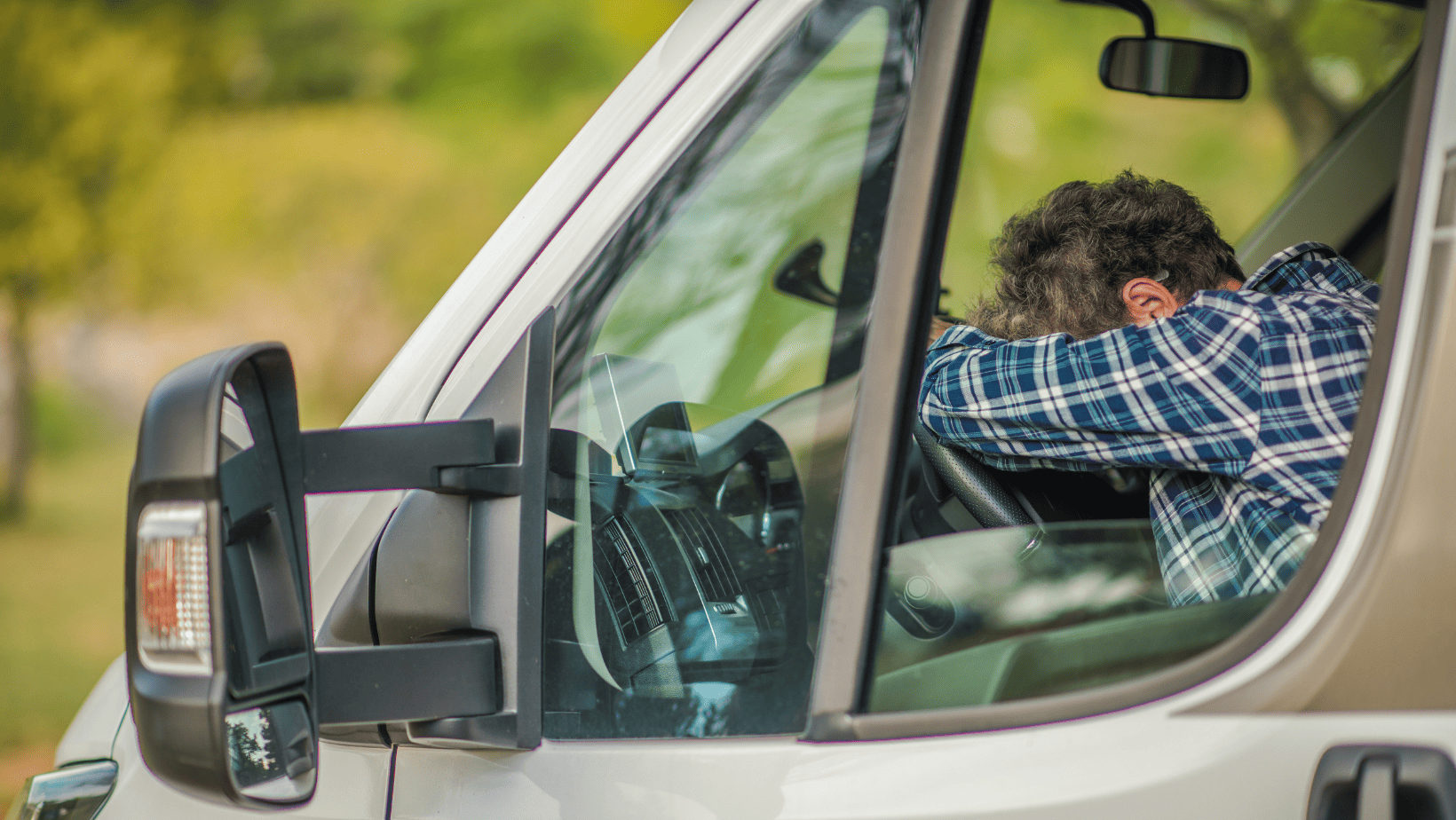
- Pack a Well-Equipped First Aid Kit:
- A comprehensive first aid kit is your first line of defense for minor injuries and ailments. Ensure it includes bandages, antiseptic wipes, pain relievers, tweezers, scissors, and any personal medications or medical supplies you may need.
- Know Your Medical History:
- Keep a record of your medical history, including allergies, chronic conditions, and current medications. Having this information readily available can be crucial in case of an emergency.
- Travel with Prescription Medications:
- If you have prescription medications, bring an ample supply for your trip, along with copies of your prescriptions. Ensure they are stored in a cool, dry place and are easily accessible.
- Research Local Healthcare Facilities:
- Before you hit the road, research healthcare facilities and pharmacies along your route and at your destination. Having this information on hand can be invaluable in case you need medical attention.
- Stay Hydrated and Eat Well:
- Proper hydration and nutrition are essential for maintaining good health on the road. Drink plenty of water, choose balanced meals, and be mindful of food safety practices to prevent foodborne illnesses.
- Stay Active:
- Incorporate physical activity into your RV lifestyle. Stretch regularly, go for walks or hikes, and consider bringing portable exercise equipment to stay active and maintain your fitness.
- Invest in Travel Insurance:
- Consider purchasing travel insurance that covers medical emergencies and evacuations. RV travel insurance can provide peace of mind knowing that you're financially protected in unforeseen circumstances.
- Know Basic First Aid Skills:
- Familiarize yourself with basic first aid techniques. Knowing how to perform CPR, handle minor injuries, and recognize signs of heatstroke or dehydration can be life-saving in emergencies.
Bonus Tip: Telemedicine Services:
- Explore telemedicine services that offer remote medical consultations. Some RVers find these services convenient for non-emergency healthcare needs, especially in remote areas.
Remember that preventive measures, proper planning, and a proactive approach to your health are key to enjoying a safe and fulfilling RV journey. By following these handy tips and staying prepared, you can focus on the joy of RVing while knowing that your medical needs are well taken care of. Safe travels and good health on the open road!