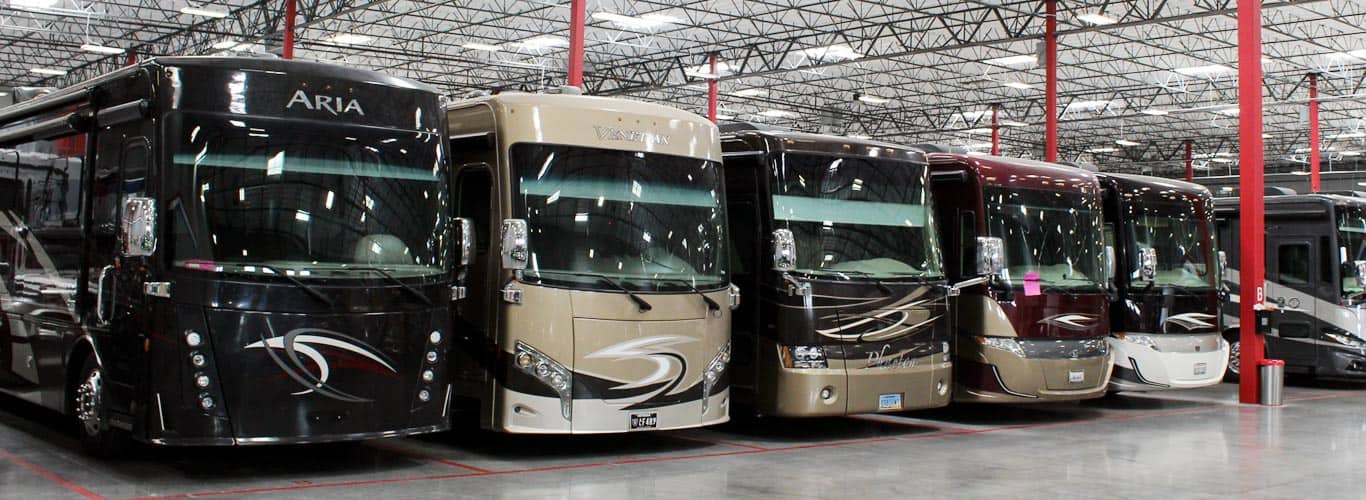
When the camping season comes to a close, or you're taking an extended break from RV travel, finding the right storage solution for your recreational vehicle is crucial. Two popular options are indoor and outdoor RV storage facilities, each with its own set of advantages and drawbacks. In this guide, we'll compare indoor and outdoor RV storage facilities to help you make an informed choice that suits your specific needs.
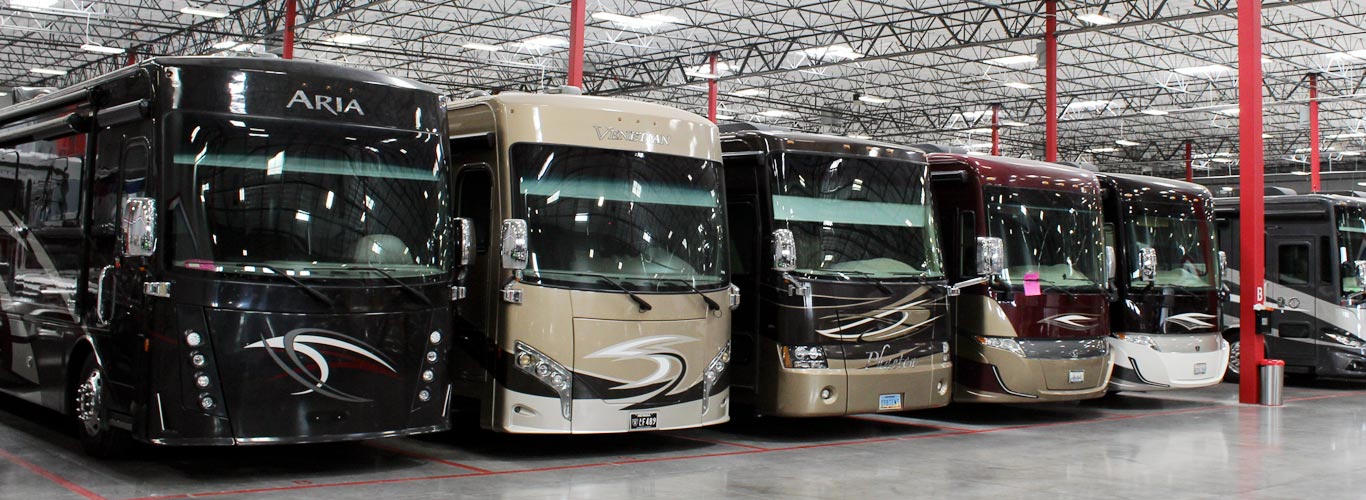 Indoor RV Storage Facilities:
1. Protection from the Elements:
Indoor RV Storage Facilities:
1. Protection from the Elements:
- One of the primary advantages of indoor storage is the protection it offers against the elements. Your RV is shielded from rain, snow, hail, and damaging UV rays, helping to preserve its exterior and prevent potential water damage.
2. Security:
- Indoor facilities often provide enhanced security measures, such as gated access, surveillance cameras, and on-site staff. This added security can deter theft and vandalism.
3. Pest Control:
- Indoors, the risk of pests and rodents making a home in your RV is significantly reduced. These facilities are typically better sealed against unwanted intruders.
4. Temperature Control:
- Many indoor storage facilities offer climate control, helping to maintain a consistent temperature and humidity level. This can prevent issues like mold, mildew, and extreme temperature fluctuations.
5. Convenience:
- Storing your RV indoors means you have a controlled environment for maintenance tasks, such as cleaning, repairs, or modifications. It's also more convenient during adverse weather conditions.
Outdoor RV Storage Facilities:
1. Cost-Effective:
- Outdoor storage is usually more budget-friendly than indoor options. If you're looking to save on storage costs, this is a compelling choice.
2. Accessibility:
- Outdoor storage facilities often have more extended access hours, and you can usually access your RV at your convenience without being bound by the facility's hours.
3. Space for Larger RVs:
- Outdoor facilities often have more space available, making them a better fit for larger RVs, such as Class A motorhomes, that may not fit indoors.
4. No Indoor Maneuvering:
- When you store your RV outdoors, you don't need to navigate it through indoor storage areas, which can be tight and challenging for larger rigs.
5. Open Air Feel:
- For some RV owners, the open air feel of outdoor storage is appealing. It allows you to feel more connected to your RV and the RV community.
Making Your Decision:
The choice between indoor and outdoor RV storage depends on your priorities and circumstances. Consider the following when making your decision:
- Climate: If you live in an area with extreme weather conditions, indoor storage may be more suitable to protect your RV.
- Budget: Assess your budget and determine how much you're willing to spend on RV storage. Outdoor options are often more cost-effective.
- RV Size: Consider the size of your RV. Larger rigs may have limited indoor storage options.
- Convenience: Reflect on your access needs and how often you plan to retrieve or use your RV during storage.
- Security: Evaluate the level of security required for your peace of mind. Some outdoor facilities also offer strong security measures.
Ultimately, the choice between indoor and outdoor RV storage comes down to your preferences and priorities. Make an informed decision based on the factors that matter most to you to ensure your RV remains safe and well-preserved during its off-season.