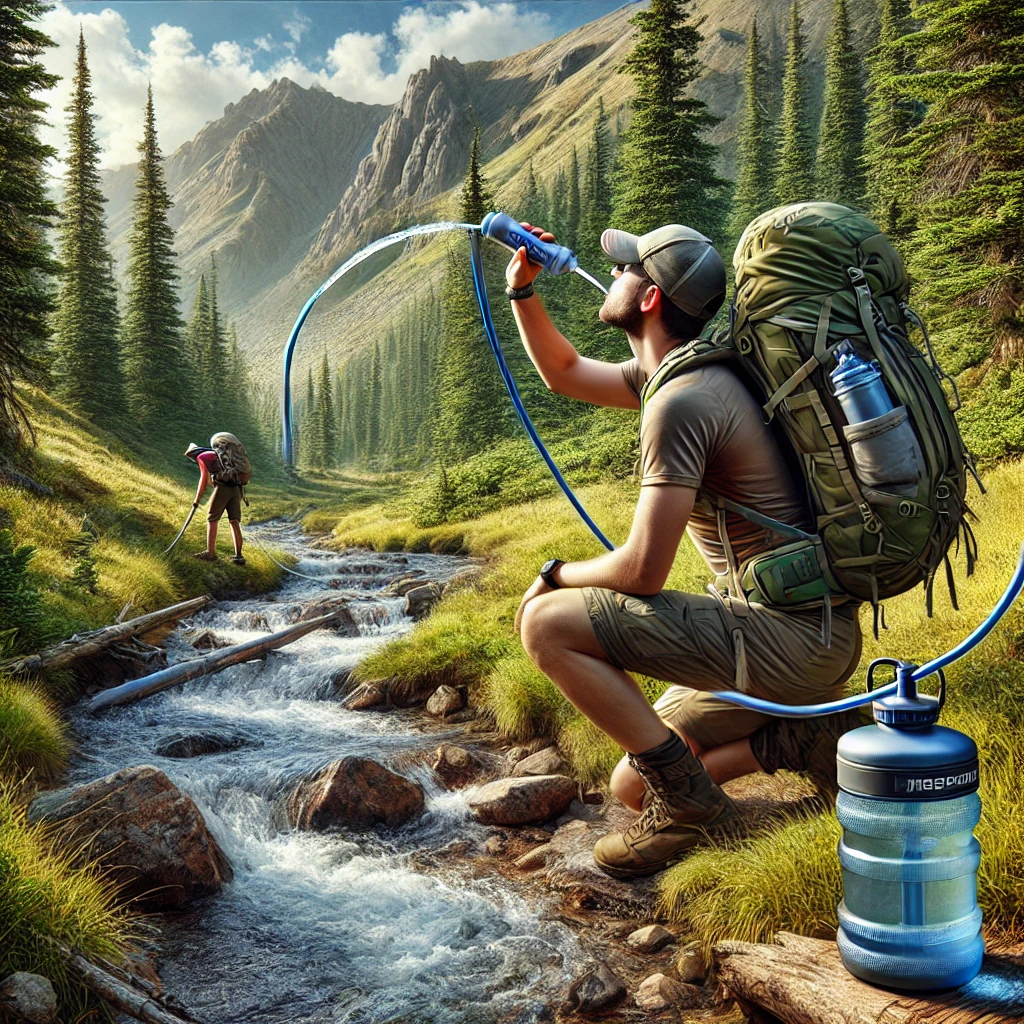
Stay Hydrated, Stay Energized, Stay Light
Whether you're hiking, biking, or exploring new trails, staying hydrated is one of the most important things you can do for your body. But carrying a ton of water can quickly become a burden—extra weight slows you down, tires you out, and can make your adventure miserable.
So how do you stay fueled, hydrated, and energized without feeling like you’re hauling a gallon of water on your back? The answer lies in smart hydration strategies, lightweight gear, and planning ahead.
Here’s how to keep your pack light while ensuring you never run out of water on the trail! 🚶♂️💧🎒
🚰 Why Hydration is So Important on the Trail
Even mild dehydration can cause:
❌ Fatigue and muscle cramps
❌ Dizziness and headaches
❌ Slower recovery and increased heart rate
❌ Heat exhaustion or heat stroke in extreme conditions
You lose more water than you think when hiking—even in cooler weather! That’s why it’s crucial to stay ahead of dehydration rather than trying to catch up.
🥤 Hydration Hacks to Stay Fueled Without Extra Weight
1️⃣ Start Hydrated Before You Hit the Trail
The best way to stay hydrated is to start ahead of the game.
✔ Drink at least 16-20 ounces of water before you hit the trail.
✔ Eat hydrating foods (fruits like oranges, grapes, or watermelon).
✔ Avoid dehydrating drinks like coffee or alcohol before long hikes.
🌟 Pro Tip: If you’re heading out early in the morning, drink a full glass of water right when you wake up.
2️⃣ Use a Hydration Bladder Instead of Water Bottles
Carrying multiple water bottles adds unnecessary weight and takes up valuable space.
✔ A hydration bladder (CamelBak, Osprey, Platypus) is lighter, distributes weight better, and allows hands-free sipping.
✔ A 2-liter (70 oz) bladder is usually enough for a half-day hike, while 3 liters (100 oz) is best for all-day adventures.
✔ Hydration bladders encourage frequent sips, helping you drink more consistently.
🚶♀️ Best For: Hikers, bikers, and anyone who doesn’t want to stop to drink.
3️⃣ Plan Your Route Around Water Sources
If your trail has streams, lakes, or springs, you can carry less water and filter it as you go.
✔ Check maps & trail guides to see if water sources are available.
✔ Always treat wild water—even clear, fresh-looking streams can carry bacteria & parasites.
✔ Use ultralight filters (like the Sawyer Mini or Katadyn BeFree) to refill on the go.
💡 Pro Tip: Carry a collapsible water bottle or soft flask to scoop and filter water when needed.
🚶♂️ Best For: Long hikes and backpacking trips with natural water sources.
4️⃣ Use Electrolyte Powders Instead of Heavy Sports Drinks
Instead of carrying pre-made sports drinks, pack electrolyte powders or tablets and mix them into water.
✔ Helps replace lost salts & minerals to prevent dehydration.
✔ Weighs almost nothing compared to bottled drinks.
✔ Improves hydration absorption better than water alone.
🚶♀️ Best For: Hot weather hikes or trails with steep elevation gain.
5️⃣ Freeze Your Water the Night Before
If you're hiking in hot weather, starting with ice-cold water can keep it drinkable longer.
✔ Fill half your hydration bladder or bottle with ice the night before.
✔ Wrap it in a sock or towel to slow down melting.
✔ Keeps water cool & refreshing for hours.
💡 Pro Tip: Store your hydration pack in the shade whenever you stop to prevent overheating.
🚶♂️ Best For: Desert hikes, summer trails, and humid conditions.
6️⃣ Snack on Hydrating Foods Instead of Extra Water
You don’t always need to drink more water—you can eat it, too!
🥒 Water-Rich Snacks for the Trail:
✔ Cucumber slices – 96% water, super refreshing!
✔ Grapes & watermelon – Naturally hydrating & full of electrolytes.
✔ Oranges & apples – High water content & slow-releasing sugars.
💡 Pro Tip: Add a pinch of salt to your snacks to help retain fluids.
🚶♀️ Best For: Short hikes where you don’t want to carry extra bottles.
7️⃣ Sip, Don’t Chug—And Drink Consistently
One of the biggest hydration mistakes? Waiting until you’re thirsty to drink.
✔ Sip small amounts every 15-20 minutes instead of guzzling large amounts at once.
✔ Over-drinking at once can cause bloating & slow you down.
✔ Set a reminder on your watch or phone if you forget to drink regularly.
🚶♂️ Best For: All hikers—staying ahead of dehydration is key!
🏞 Best Hydration Strategy Based on Hike Length
✔ Short Hikes (1-3 miles): One lightweight water bottle (16-24 oz) with optional electrolyte tabs.
✔ Medium Hikes (3-7 miles): A 2-liter hydration bladder + electrolyte mix.
✔ Long Hikes (7+ miles): A hydration bladder + water filter for refilling.
🚀 Bonus: Ultra-Lightweight Water Carriers for Hikers
Looking to go even lighter on your hikes? Try these:
✔ Collapsible Water Bottles – Weigh almost nothing when empty.
✔ Soft Flasks – Perfect for trail runners & fast hikers.
✔ Water Filter Straws (LifeStraw, Sawyer Mini) – Drink directly from streams.
🌿 Final Thoughts: Hike Light, Stay Hydrated, and Keep Going!
✔ Plan ahead – Know your route & available water sources.
✔ Use hydration bladders – They’re lighter & more efficient than bottles.
✔ Filter water on the go – Carry less, drink more.
✔ Snack smart – Eat hydrating foods to cut down on water weight.
✔ Drink before you’re thirsty – Stay ahead of dehydration.
🚶♂️💧 Now you’re ready to hit the trail without extra weight slowing you down!