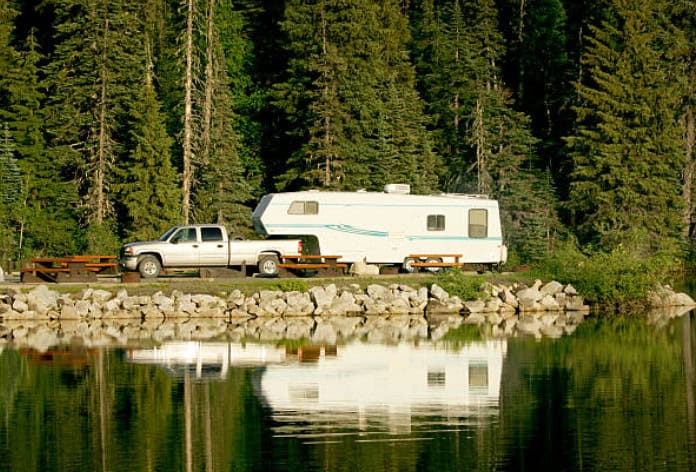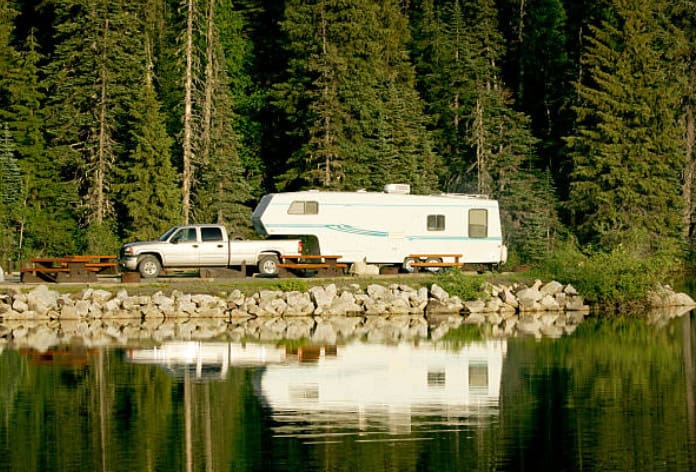
The idea of ditching the traditional 9-to-5 and hitting the open road
full-time is more than just a dream—it’s a lifestyle! Becoming an
RV nomad means trading in a fixed address for a life of adventure, freedom, and exploration. But before you sell your house and drive off into the sunset, there’s a lot to consider.
Living on the road
isn’t just about epic scenery and campfires—it requires planning, budgeting, and a willingness to adapt. If you’re ready to
become a full-time RVer, here’s
everything you need to know to make it happen.
1. Choosing the Right RV for Full-Time Living 🚐
Your RV is your
home-on-wheels, so picking the right one is
critical for comfort and functionality.
Types of RVs to Consider:
✅
Class A Motorhomes – Spacious but expensive. Best for those who want all the luxuries of home.
✅
Class C Motorhomes – More compact, easier to drive, and great for couples or small families.
✅
Travel Trailers & Fifth Wheels – Ideal for those who want to tow and have a separate tow vehicle.
✅
Camper Vans (Class B) – Best for solo travelers or minimalist nomads. Easy to park and great for stealth camping.
✅
Truck Campers – Compact and off-road capable, perfect for adventurous nomads.
💡
Pro Tip: Rent different types of RVs before you buy to see what fits your lifestyle best. Websites like
Outdoorsy and
RVshare let you test-drive the nomadic life!
2. Downsizing: What to Keep & What to Get Rid Of 🧳
Going full-time in an RV means letting go of
most of your stuff. But how do you decide what stays and what goes?
Steps to Downsize for RV Life:
✅
Declutter Room by Room – Sell, donate, or store items you won’t need.
✅
Digitize Documents & Photos – Store files and pictures in
cloud storage to save space.
✅
Invest in Multi-Use Items – Choose gear that
serves multiple purposes (e.g., a cast-iron skillet for stovetop and campfire cooking).
✅
Storage Options: If you can’t part with everything, consider renting a
small storage unit.
💡
Pro Tip: If you
haven’t used it in the last 6 months, you
don’t need it in your RV.
3. Setting a Full-Time RV Budget 💰
Full-time RV life can be
cheaper than traditional living, but it still has costs. The key is
budgeting wisely.
Monthly RV Expenses to Consider:
💵
Campsites & RV Parks – $0 (boondocking) to $1,000+ (luxury RV resorts)
💵
Fuel Costs – Varies depending on mileage & gas prices
💵
Insurance – RV insurance + health insurance ($100-$300/month)
💵
Maintenance & Repairs – Unexpected breakdowns happen! Budget at least $1,000 annually.
💵
Food & Groceries – Cooking in your RV is cheaper than eating out
💵
Internet & Phone Service – Reliable connectivity costs around $100-$200/month
💡
Pro Tip: The more you
boondock (free camping on public lands), the lower your costs!
4. Finding Campsites & Places to Stay 🏕️
Where will you park your RV every night? Luckily, there are plenty of options:
Paid RV Parks & Campgrounds:
✔
KOA Campgrounds – Family-friendly with full hookups.
✔
State & National Parks – Affordable, but often require advance reservations.
✔
Private RV Resorts – More expensive, but offer pools, WiFi, and amenities.
Free & Low-Cost Camping Options:
✔
Boondocking (Dry Camping) – Free camping on
BLM (Bureau of Land Management) lands and National Forests.
✔
Harvest Hosts & Boondockers Welcome – Stay at wineries, farms, and private properties for free with a membership.
✔
Walmart, Cracker Barrel, and Cabela’s – Many allow
overnight RV parking in their lots.
💡
Pro Tip: Use
Campendium, iOverlander, and FreeRoam to find free camping spots!
5. Earning Money on the Road 💻
Full-time RVing doesn’t mean you have to quit working—many nomads earn
a steady income while traveling.
Ways to Make Money as an RV Nomad:
✅
Remote Jobs – Freelancing, customer service, software development, or virtual assistant work.
✅
Workamping – Seasonal jobs at campgrounds in exchange for a free campsite.
✅
Selling Handmade Goods – Sell crafts or artwork online (Etsy, eBay).
✅
Blogging & YouTube – Share your RV journey and monetize it over time.
✅
RV Rentals – If you own multiple RVs, rent one out through
Outdoorsy or
RVshare.
💡
Pro Tip: Check out
FlexJobs, We Work Remotely, and Upwork for remote job listings!
6. Staying Connected: Internet & Phone Service 📡
Reliable internet is
a must for full-time RVers, whether for work, navigation, or entertainment.
Best Internet Options for RV Nomads:
✔
Starlink Roam – High-speed satellite internet, great for boondocking.
✔
Mobile Hotspots – Verizon Jetpack, T-Mobile Inseego, or AT&T Netgear.
✔
RV WiFi Boosters – WeBoost helps strengthen weak signals.
💡
Pro Tip: Have
two different carriers (e.g., Verizon + T-Mobile) for the best coverage.
7. RV Maintenance & Safety 🔧
Keeping your
home-on-wheels in good shape is essential.
Basic RV Maintenance Checklist:
🔧
Check tire pressure before long drives.
🔧
Inspect your brakes, lights, and fluids monthly.
🔧
Keep your roof and seals maintained to prevent leaks.
🔧
Clean & flush black/gray water tanks regularly.
8. Adjusting to RV Life & Finding Community 🤝
The biggest challenge for new RV nomads?
Adjusting to the lifestyle!
Tips for a Smooth Transition:
✔
Give yourself time – It takes a few months to adjust to full-time RVing.
✔
Join RV communities – Escapees, Xscapers, and Nomadic groups help you connect.
✔
Stay flexible – Things don’t always go as planned—
embrace the adventure!
💡
Pro Tip: Attend
RV rallies, meetups, and caravan trips to make friends on the road.
Final Thoughts: Is Full-Time RV Life Right for You? 🚐
Living as an
RV nomad is an
exciting, freeing, and fulfilling lifestyle, but it’s not for everyone. It takes
planning, budgeting, and a willingness to adapt to challenges.
If you love
adventure, simplicity, and the thrill of waking up in a new place every day, RV life might be perfect for you.