Embarking on an RV adventure allows you to explore new places, create lasting memories, and enjoy the freedom of the open road. However, accidents and medical emergencies can happen at any time, making it crucial for RV travelers to be prepared with first aid knowledge and supplies. In this article, we'll discuss essential steps to prepare for first aid while RVing, ensuring that you can address minor injuries and potentially life-saving situations during your journey.
The Importance of First Aid Preparedness
- Safety on the Road: RV travel can involve long hours of driving, exploration of unfamiliar terrain, and outdoor activities. Being prepared with first aid knowledge and supplies ensures you can handle unexpected situations safely.
- Remote Locations: RV travelers often venture into remote or less populated areas where access to medical facilities may be limited. Having the skills and tools to provide initial care can make a significant difference in emergencies.
- Peace of Mind: Knowing that you are prepared for medical situations while RVing brings peace of mind to both you and your fellow travelers. It allows you to enjoy your journey with confidence.
First Aid Essentials for RV Travelers
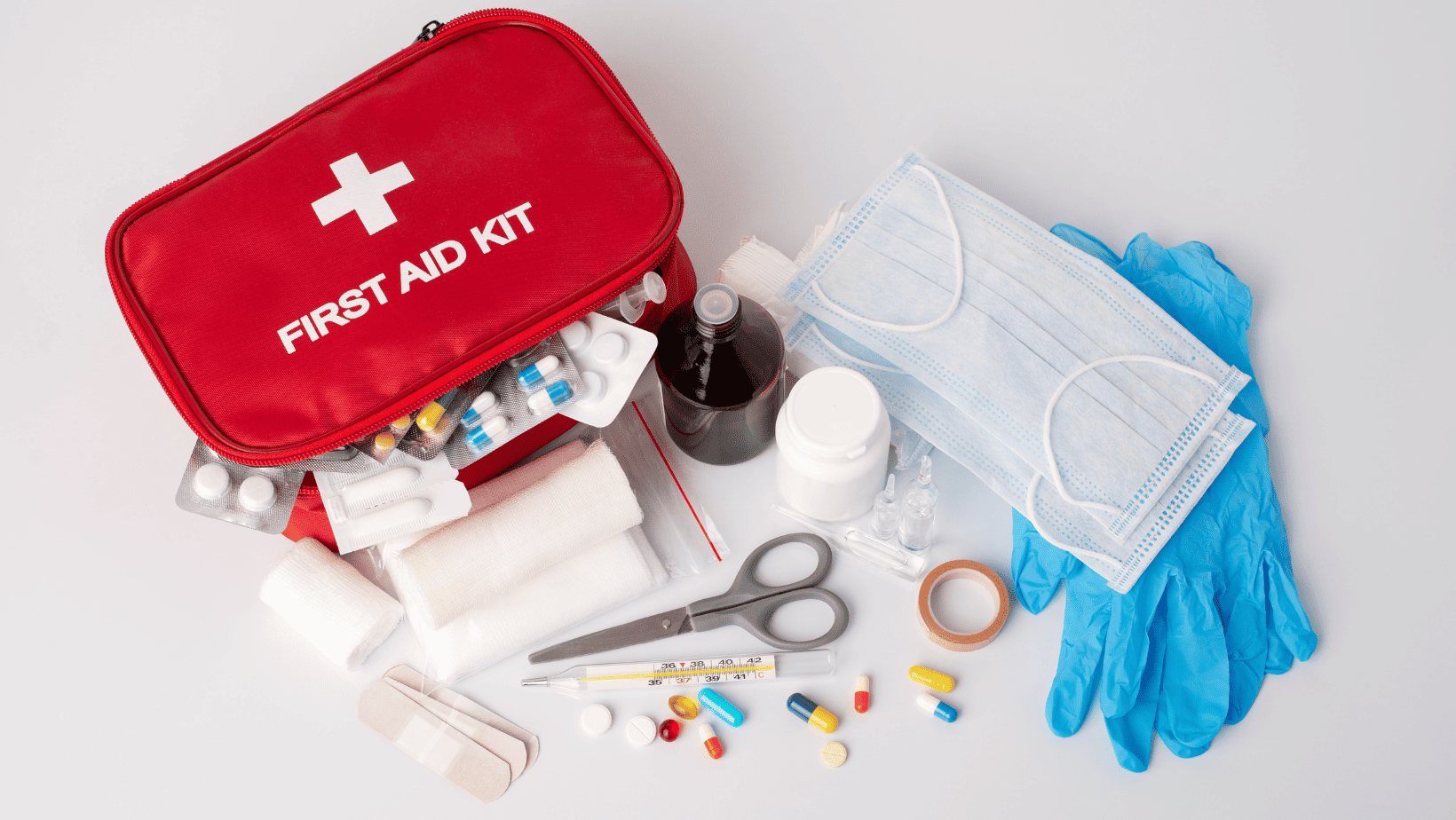
1. Basic First Aid Kit: Invest in a well-stocked first aid kit that includes bandages, gauze, adhesive tape, antiseptic wipes, scissors, tweezers, and disposable gloves. Check the kit regularly to ensure supplies are up to date.
2. Prescription Medications: If you or your fellow travelers require prescription medications, be sure to carry an ample supply, along with a copy of your prescriptions and medical information.
3. Personal Medical Information: Create a document that includes your medical history, allergies, and emergency contacts. Store this information in an easily accessible location in your RV.
4. CPR and First Aid Training: Consider taking a CPR and basic first aid course. These skills can be invaluable in emergencies and provide you with the confidence to act quickly and effectively.
5. Emergency Numbers: Program emergency numbers, including local medical facilities and roadside assistance, into your phone. Also, ensure that you have access to a working phone or a satellite communication device in remote areas.
First Aid Tips for RV Travelers
- Sun Safety: Protect yourself and your fellow travelers from sunburn by using sunscreen, wearing protective clothing, and staying hydrated, especially in hot climates.
- Insect Bites and Stings: Carry insect repellent and bite relief creams to prevent and treat insect bites and stings.
- Hydration: Stay well-hydrated, especially in warm weather. Dehydration can lead to various health issues, including heat-related illnesses.
- Basic Wound Care: Clean and cover any cuts, scrapes, or blisters promptly to prevent infection. Replace bandages and dressings as needed.
- Allergies: Be aware of allergies among your travel companions and carry necessary medications, such as epinephrine auto-injectors for severe allergic reactions.
- Navigation and Communication: Ensure that you have access to reliable navigation tools and communication devices in case you need to seek medical assistance in remote areas.
Handling Medical Emergencies
- Stay Calm: In the event of a medical emergency, staying calm is crucial. Assess the situation, call for help if needed, and provide assistance within your capabilities.
- Follow Basic First Aid: Apply the first aid skills you've learned, such as CPR or wound care, as necessary. Prioritize the well-being of the injured or ill person.
- Seek Professional Help: If the situation is beyond your control, contact local medical authorities or emergency services. Provide clear information about your location.
Conclusion
Preparation is the key to ensuring a safe and enjoyable RV travel experience. By equipping yourself with essential first aid knowledge, supplies, and safety precautions, you can address minor injuries and respond effectively to medical emergencies while on the road. Remember that being prepared not only enhances your safety but also allows you to make the most of your RV journey with peace of mind. Safe travels!