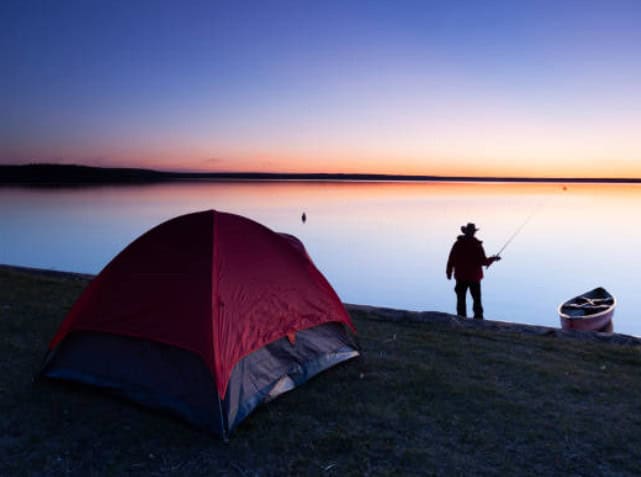
Fishing is one of the most relaxing and rewarding activities you can enjoy while RV camping. But as stewards of nature, it’s important to practice eco-friendly fishing habits to protect the environment and preserve aquatic ecosystems for future generations. By adopting sustainable practices, you can enjoy your favorite pastime while making a positive impact on the planet.
Here’s a guide to fishing responsibly while RV camping, covering everything from catch-and-release techniques to eco-friendly gear and conservation-focused campgrounds.
1. Catch-and-Release Best Practices
Catch-and-release fishing is a popular method that allows anglers to enjoy the thrill of the catch while giving fish a chance to survive and thrive. However, it’s not as simple as throwing a fish back into the water. Proper technique is essential to ensure the fish’s survival.
Tips for Safe Catch-and-Release:
- Use Barbless Hooks: Barbless hooks are easier to remove and minimize injury to the fish.
- Handle Fish Gently: Wet your hands before touching the fish to avoid damaging its protective slime layer. Avoid squeezing the fish or holding it by the gills.
- Limit Air Exposure: Keep the fish in the water as much as possible while removing the hook. If you need to take a photo, make it quick!
- Revive the Fish: If the fish seems lethargic, hold it gently in the water, facing upstream, until it swims away on its own.
2. Using Eco-Friendly Fishing Gear
Traditional fishing gear often contains materials that can harm the environment, such as plastic lures or lead-based tackle. Switching to eco-friendly alternatives can significantly reduce your environmental footprint.
Sustainable Gear Options:
- Biodegradable Lures: Choose lures made from natural materials that break down over time instead of contributing to plastic pollution.
- Non-Toxic Tackle: Use tackle made from non-toxic metals like tin or steel instead of lead, which can poison wildlife if lost in the water.
- Reusable Containers: Store your bait and tackle in reusable containers instead of disposable plastic bags.
- Eco-Friendly Fishing Line: Opt for biodegradable fishing lines that decompose faster than traditional monofilament.
3. Campgrounds Recognized for Their Conservation Efforts
Many campgrounds are making strides to protect natural habitats and promote sustainable practices. By choosing campgrounds with conservation initiatives, you can support their efforts and enjoy eco-conscious facilities.
Examples of Conservation-Focused Campgrounds:
- KOA Green Campgrounds: Some KOA locations implement recycling programs, energy-efficient facilities, and sustainable landscaping.
- National and State Parks: Many parks, like Yellowstone and Acadia, have strict regulations to protect local ecosystems, including designated fishing areas and limits.
- Private Eco-Friendly Resorts: Look for RV parks and campgrounds that advertise eco-friendly policies, such as renewable energy use, water conservation, and habitat restoration programs.
Tip: Research campgrounds in advance to find those committed to sustainability. Supporting these locations encourages others to adopt similar practices.
4. Respect Local Regulations and Ecosystems
Fishing responsibly also means following the rules and respecting the environment around you. Each location may have its own set of guidelines to protect fish populations and habitats.
How to Stay Compliant:
- Get a Fishing License: Make sure you have the proper permits for the area where you’re fishing.
- Follow Size and Bag Limits: Only keep fish within the legal size range and adhere to daily catch limits to avoid overfishing.
- Avoid Sensitive Areas: Stay away from spawning grounds, wetlands, or areas marked as protected habitats.
- Dispose of Waste Properly: Never leave fishing line, bait containers, or other trash behind. Carry out everything you bring in.
5. Educate and Inspire Others
Your eco-friendly fishing habits can influence others to adopt sustainable practices, too. Share your knowledge and experiences to inspire your friends, family, and fellow campers.
Ways to Spread Awareness:
- Lead by Example: Show others how to fish responsibly by demonstrating proper techniques and using eco-friendly gear.
- Share on Social Media: Post about your eco-friendly fishing adventures, highlighting the importance of conservation.
- Participate in Cleanup Events: Join local groups or initiatives that organize cleanups around lakes, rivers, and campgrounds.
6. Embrace Leave No Trace Principles
The Leave No Trace (LNT) philosophy is a set of guidelines designed to minimize human impact on natural environments. Applying these principles to your fishing trips ensures you leave the area as pristine as you found it.
Key LNT Principles for Fishing:
- Plan Ahead: Research the area, pack only what you need, and avoid overloading your gear.
- Stay on Designated Paths: Use established trails to access fishing spots and avoid trampling vegetation.
- Dispose of Waste Properly: Pack out all trash, including fishing line, bait containers, and food wrappers.
- Respect Wildlife: Observe animals from a distance and avoid disrupting their natural behaviors.
Final Thoughts
Eco-friendly fishing isn’t just good for the environment—it enhances the overall camping experience by fostering a deeper connection with nature. Whether you’re practicing catch-and-release, using sustainable gear, or choosing conservation-focused campgrounds, every small step you take helps protect our planet’s aquatic ecosystems.
So, the next time you pack up your RV for a fishing trip, keep these eco-friendly tips in mind. By fishing responsibly, you’ll not only enjoy the thrill of the catch but also leave a legacy of care and respect for the outdoors.
Tight lines and happy camping! 🎣🏕️🌿